For many travelers visiting Panama for the first time, safety is naturally one of the first questions that comes up.
Overall, Panama is considered one of the more stable and approachable destinations in the region for international travel. The country combines modern infrastructure, strong international connectivity, established tourism areas, and relatively easy movement between regions.
For most visitors, the experience of traveling through Panama tends to feel comfortable, relaxed, and far more accessible than they initially expect.
At the same time, Panama is a country of very different environments — from urban districts and mountain towns to islands, rainforest, and remote coastal regions — and each one moves at its own rhythm.
Understanding that rhythm is usually more important than worrying about danger itself.
Traveling comfortably in Panama is less about avoiding the country — and more about moving through it thoughtfully and naturally.
Panama City & Everyday Travel
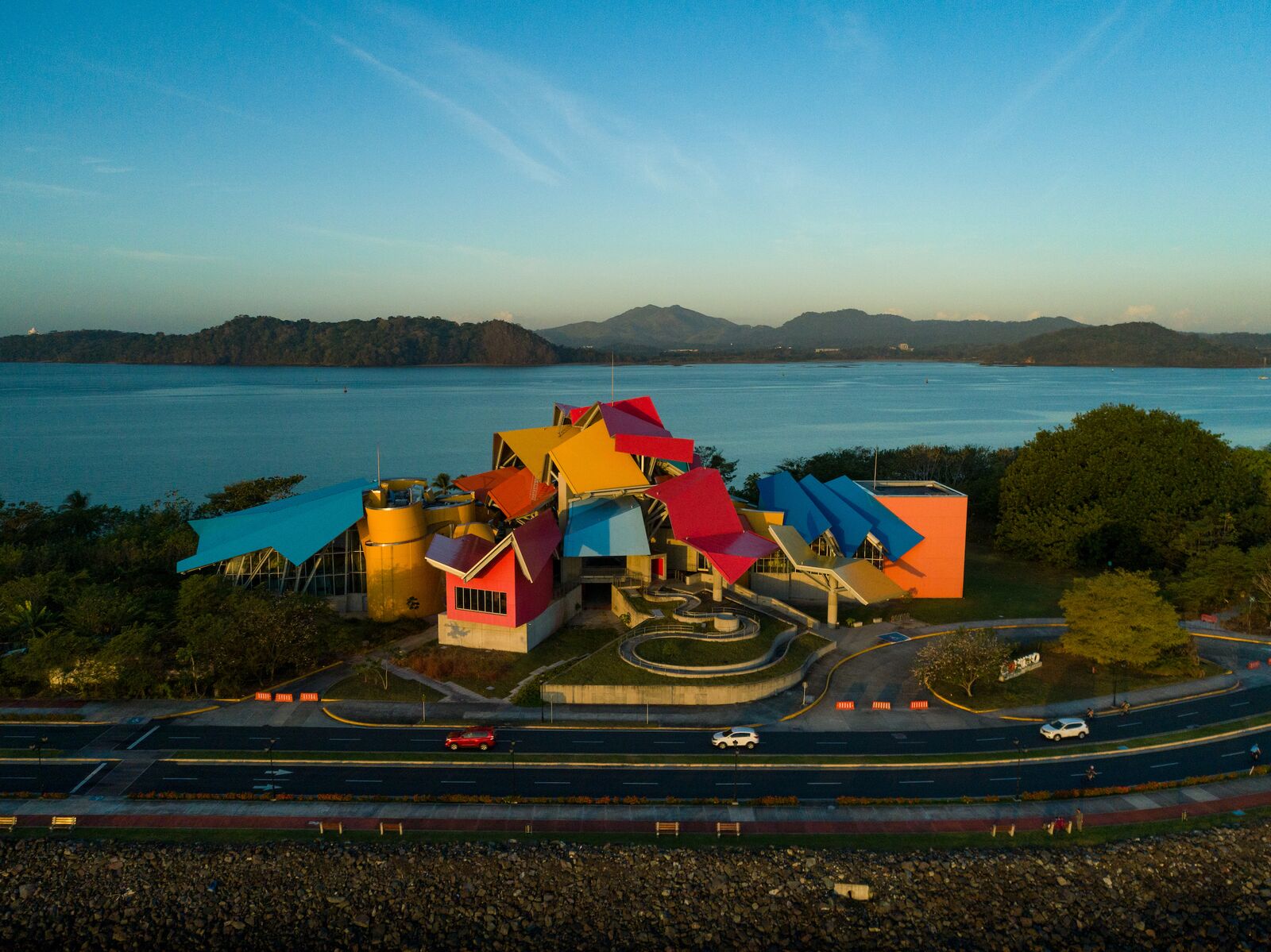
Most journeys begin in Panama City, where travelers typically spend time in areas such as Casco Antiguo, Punta Pacífica, Costa del Este, and the canal district.
These parts of the city are modern, internationally connected, and well accustomed to visitors. Restaurants, hotels, rooftop bars, and cultural spaces tend to feel active and comfortable throughout the day and evening.
Like in any major city, basic awareness matters.
Using trusted transportation, staying aware of personal belongings in busy areas, and moving through the city with the same common sense you would apply in any international destination is generally enough for most travelers to feel completely comfortable.
For many visitors, the city quickly feels more relaxed and manageable than expected.
Traveling Beyond the City
Outside the capital, the experience changes significantly.
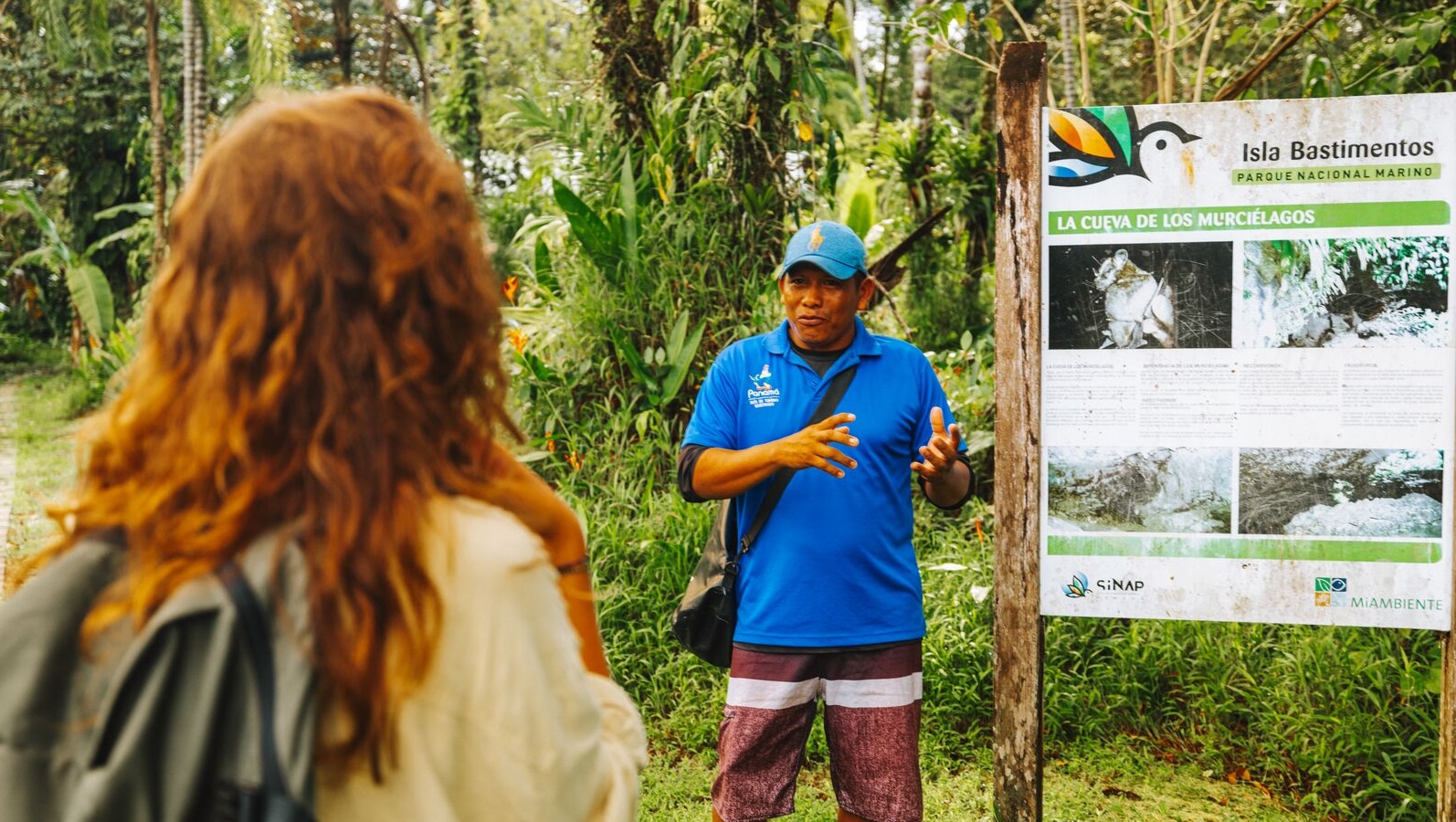
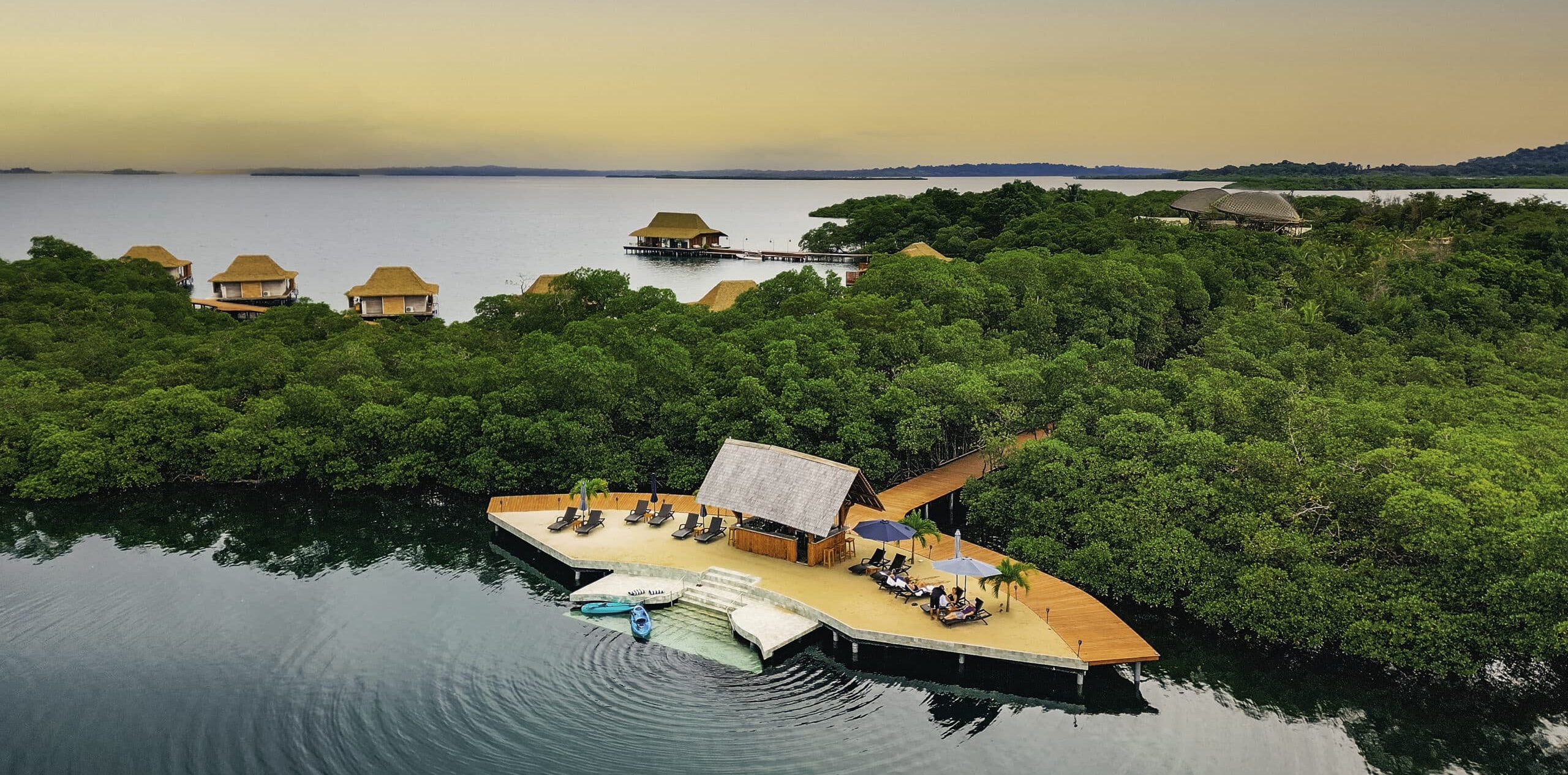
Places such as Boquete, Bocas del Toro, El Valle de Antón, and the Gulf of Chiriquí tend to move at a much slower pace, with travel often feeling centered around nature, coastline, and smaller communities rather than large urban environments.
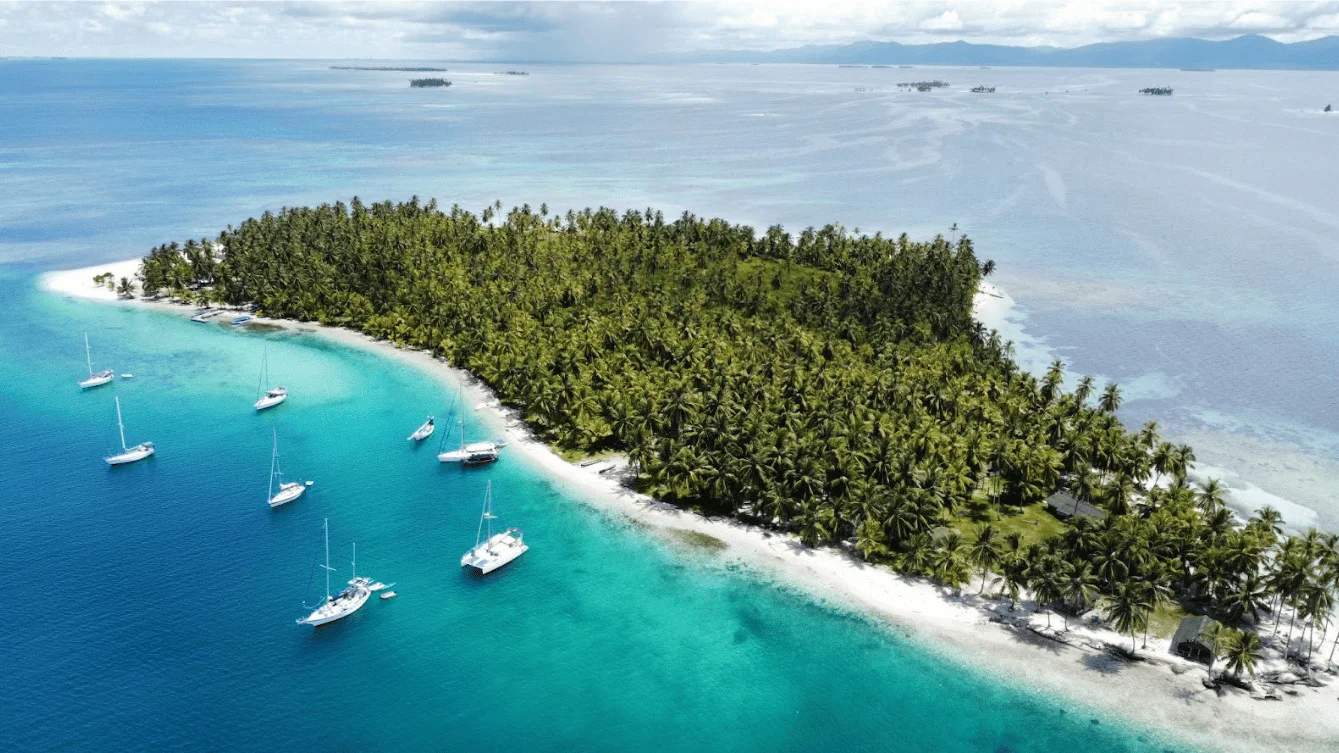
In more remote areas, movement may depend on boats, weather conditions, or longer transfers, which is why travelers often benefit from planning routes carefully and using well-established local operators and transportation.
The experience itself, however, is generally calm.
For many travelers, this slower rhythm becomes one of the aspects of Panama they appreciate most.
Why Panama Often Feels Easy to Travel Through
Part of what makes Panama feel approachable is how naturally the country combines infrastructure and access to nature.
Travelers can move between very different environments without extremely long travel days, while still maintaining a sense of comfort and continuity throughout the journey.
The U.S. dollar is used locally, international flights are strong, and many of the country’s most visited regions are already well integrated into private and curated travel routes.
For travelers moving through thoughtfully planned itineraries — whether focused on gastronomy, wellness, nature, or private travel — the overall experience often feels fluid rather than complicated.
And that ease tends to become clear very quickly once the journey begins.
For most travelers, Panama feels not like a difficult country to navigate — but like one that becomes more welcoming the more naturally you move through it.