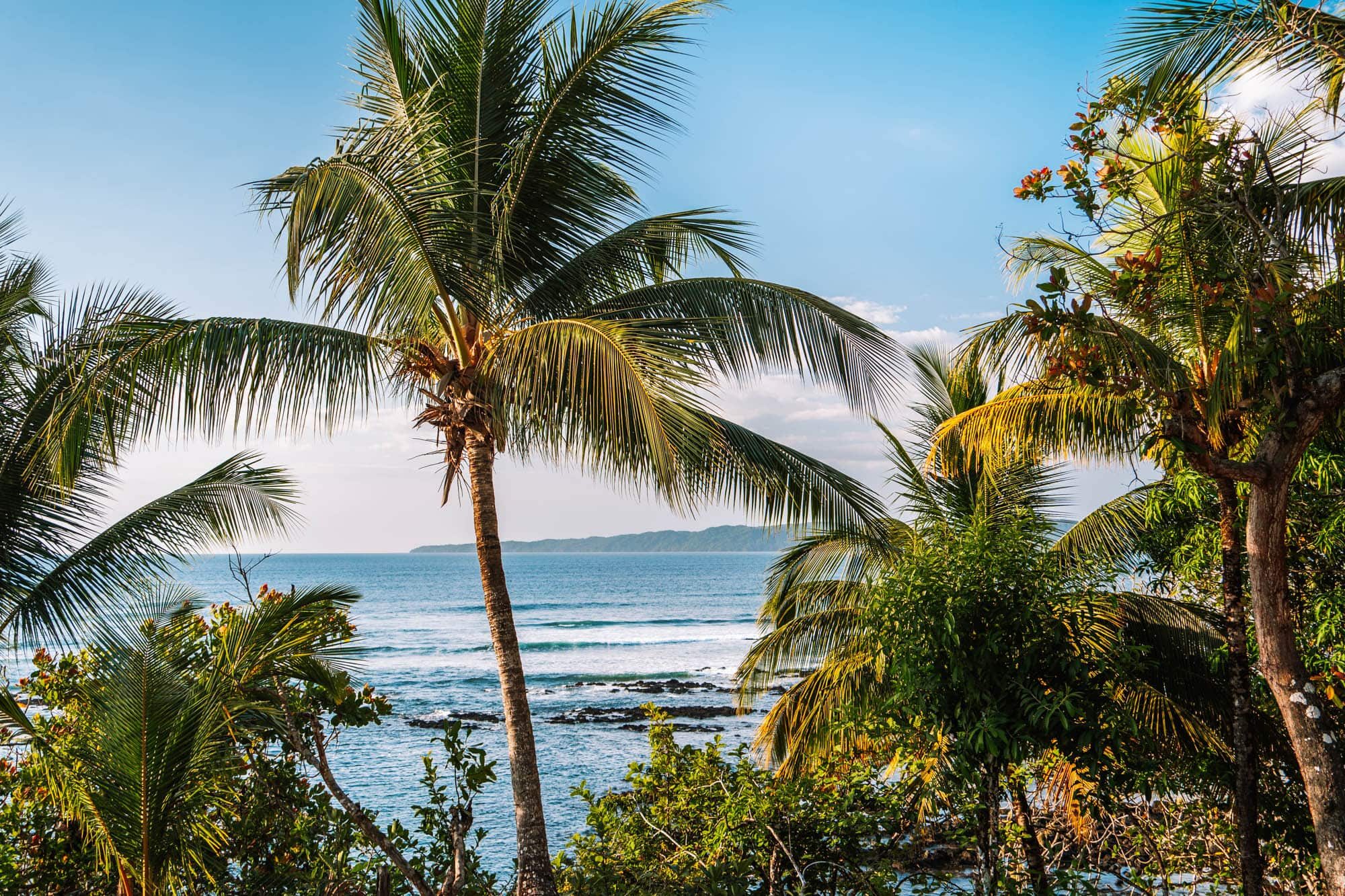
A slower rhythm shaped by water, islands, and a more fluid way of moving.

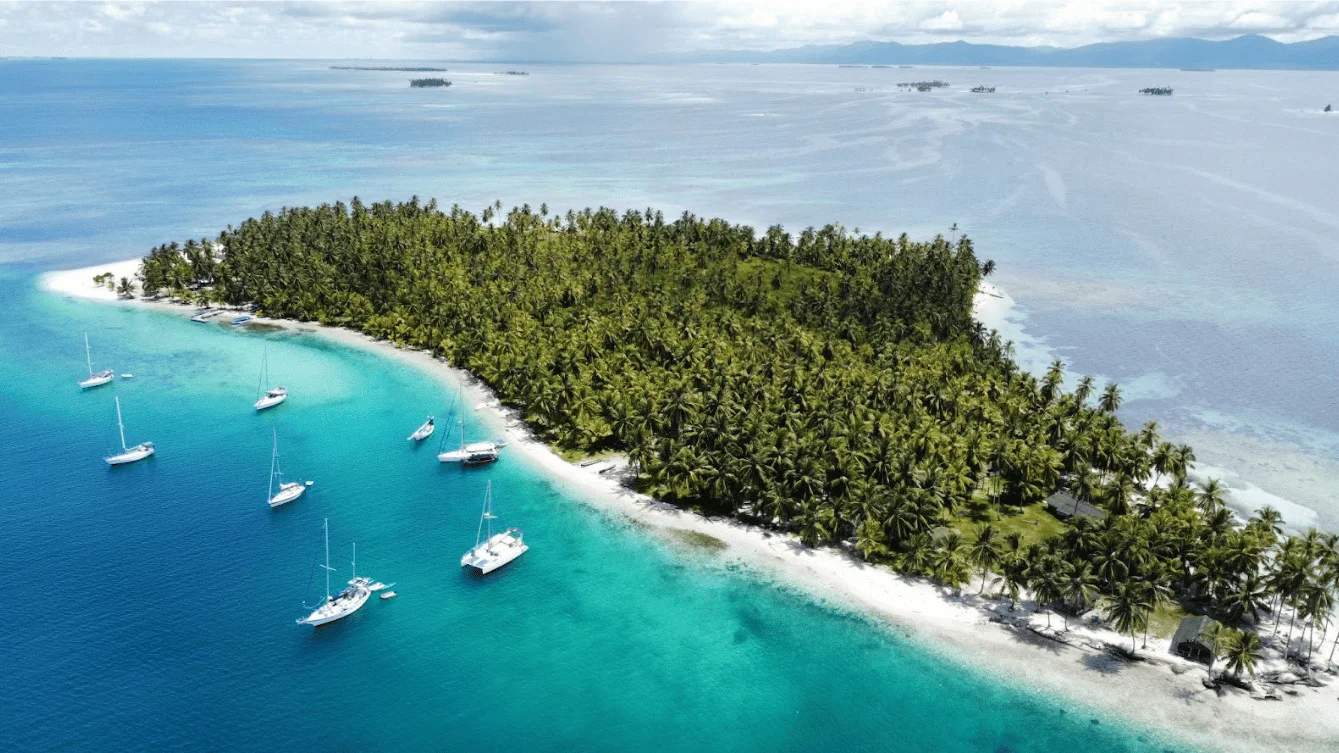
Spread across a chain of islands along Panama’s Caribbean coast, Bocas del Toro offers a different way of experiencing the country — one defined less by distance and more by movement across water.
Here, the geography shifts from roads to routes by boat.
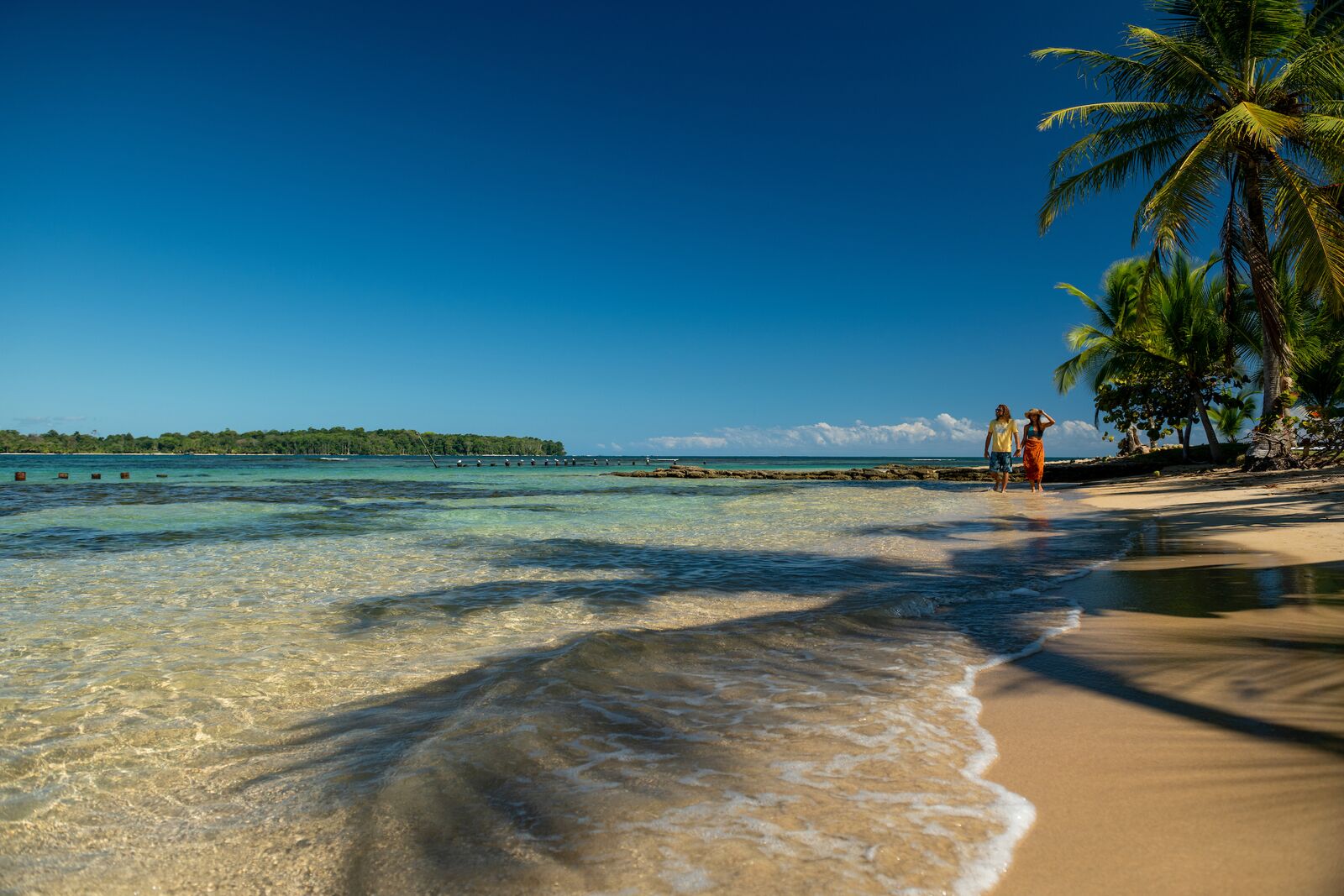
Short crossings connect islands, beaches, and smaller communities, creating a sense of continuity that unfolds throughout the day. The landscape feels open, with mangroves, coastline, and water blending into a single environment where transitions are constant but rarely abrupt.
Bocas del Toro is best experienced through movement and rhythm — where each island adds a variation, rather than a destination in itself.
What distinguishes Bocas del Toro is its rhythm.
Days tend to follow the conditions — light, tide, and weather — rather than a fixed schedule. Mornings often begin quietly, with water still and reflective, gradually opening into a more active pace as movement between islands begins. By late afternoon, the atmosphere slows again, settling into a softer, more social cadence.
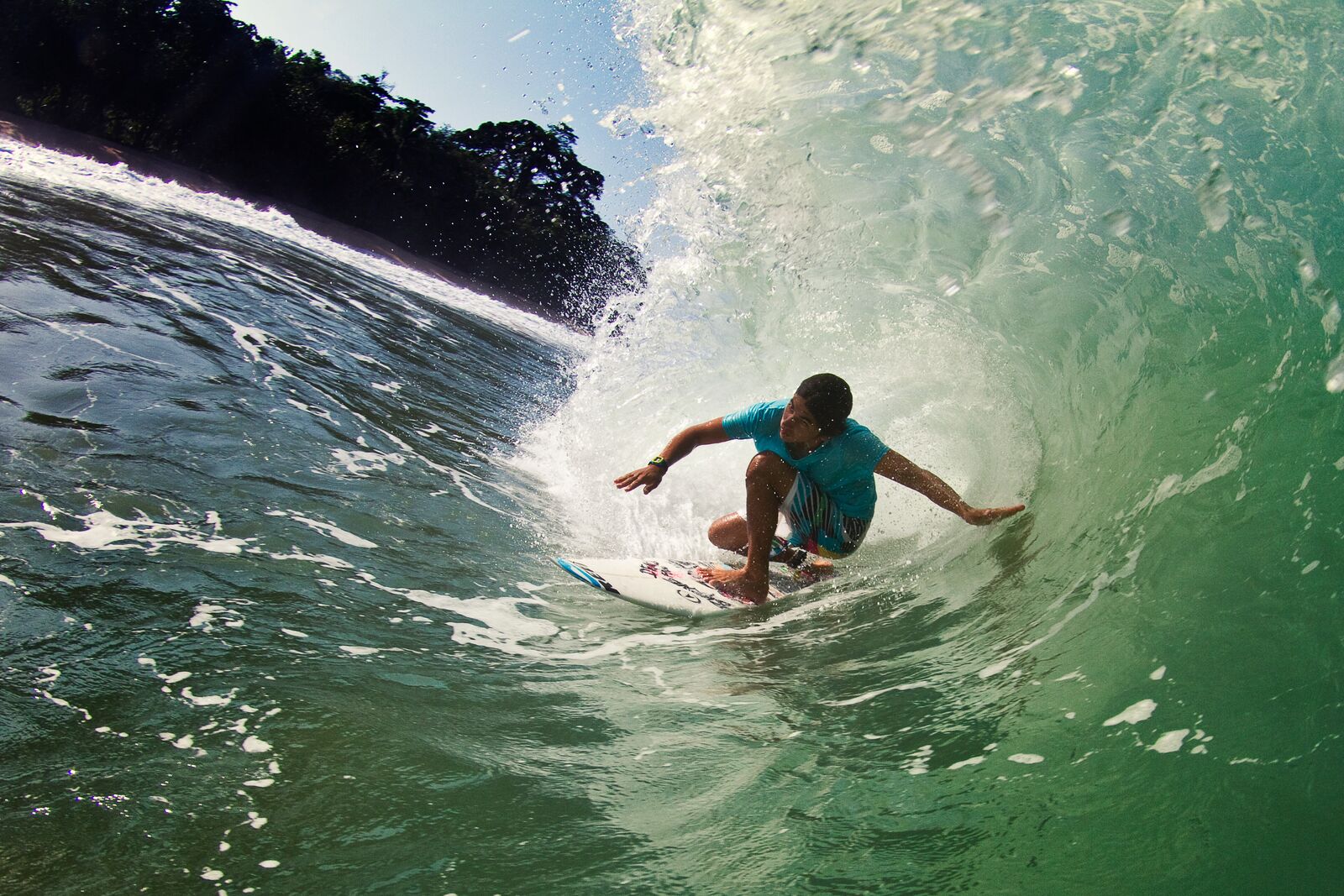
This way of moving naturally aligns with experiences that are built around the sea.
Island-based routes, marine exploration, and time spent navigating between different environments become central to how the region is understood.
The experience is shaped as much by how you move as by where you stay.
Accommodation here often sits close to the water — whether over it or along quieter stretches of coastline — allowing the surrounding environment to remain present throughout the day. This connection creates a sense of ease, where the boundaries between place and experience feel less defined, something that becomes clearer when exploring how to approach Bocas del Toro in more depth or understanding where different types of stays fit within a journey.
Food reflects this same dynamic.
Cuisine along the Caribbean side tends to be lighter and more direct, with a stronger influence from Afro-Caribbean traditions. Seafood, coconut, and local ingredients shape meals that feel aligned with the setting — often experienced as part of informal, place-driven moments or integrated into broader gastronomy journeys across the country.
Because of this, Bocas del Toro often becomes part of a broader coastal or marine-focused route.
Travelers may combine time here with other regions — moving between Caribbean and Pacific environments, or integrating Bocas into itineraries that include more remote areas or private coastal settings. This contrast creates a compelling balance between pace, geography, and atmosphere.
For some, Bocas is a place to slow down.
For others, it becomes a space to move lightly between locations, without the need for structure.
In both cases, the experience tends to feel less defined by itinerary — and more by how each day unfolds.
The Caribbean experience here is less about checking off destinations and more about adapting to the pace of the water, weather, and surroundings.

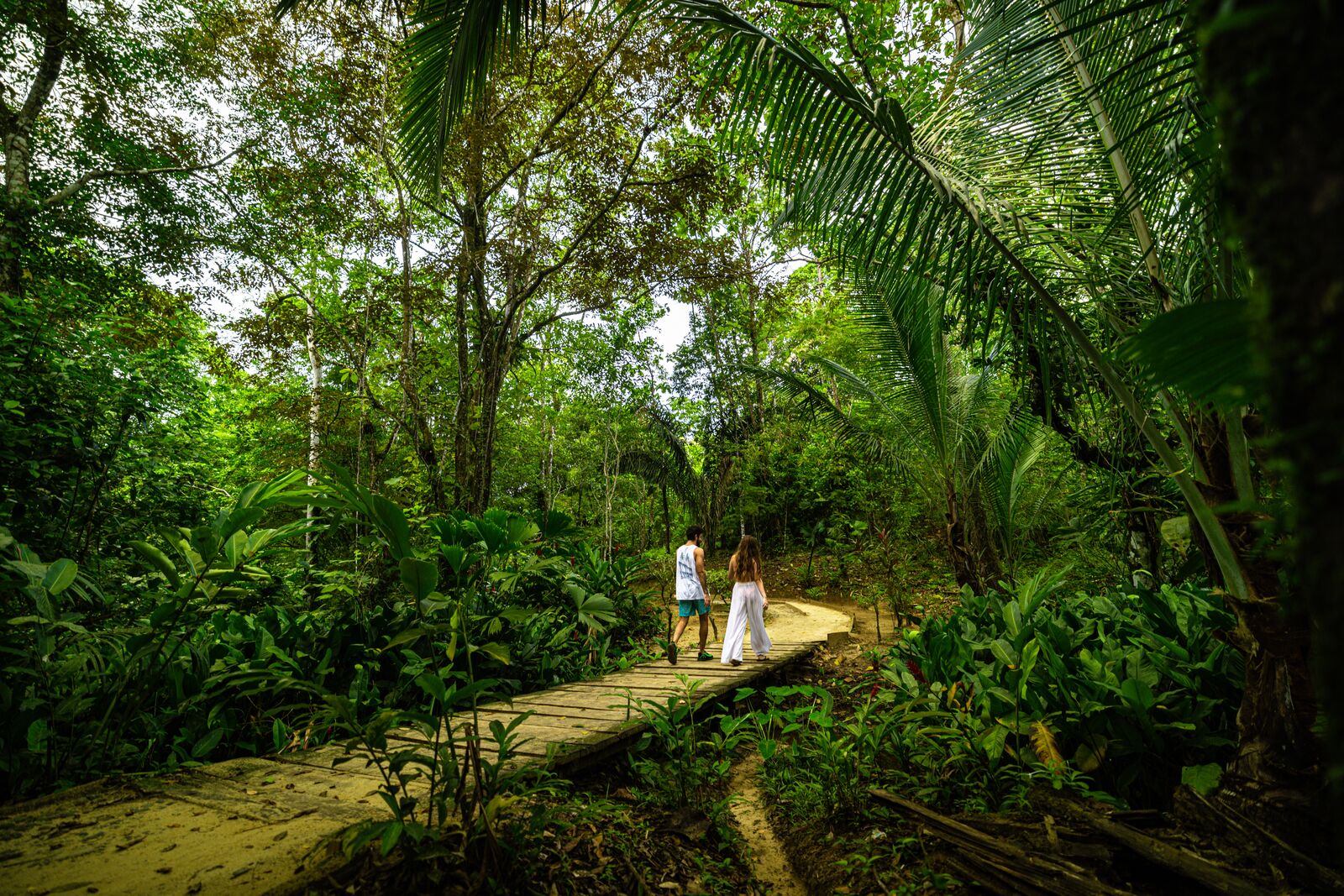
Tell us how you’d like to experience the Caribbean side — we’ll shape the journey around your pace, interests, and preferred rhythm.

.jpg)
.jpg)