Mountain landscapes shaped by altitude, coffee culture, and a slower rhythm of travel.
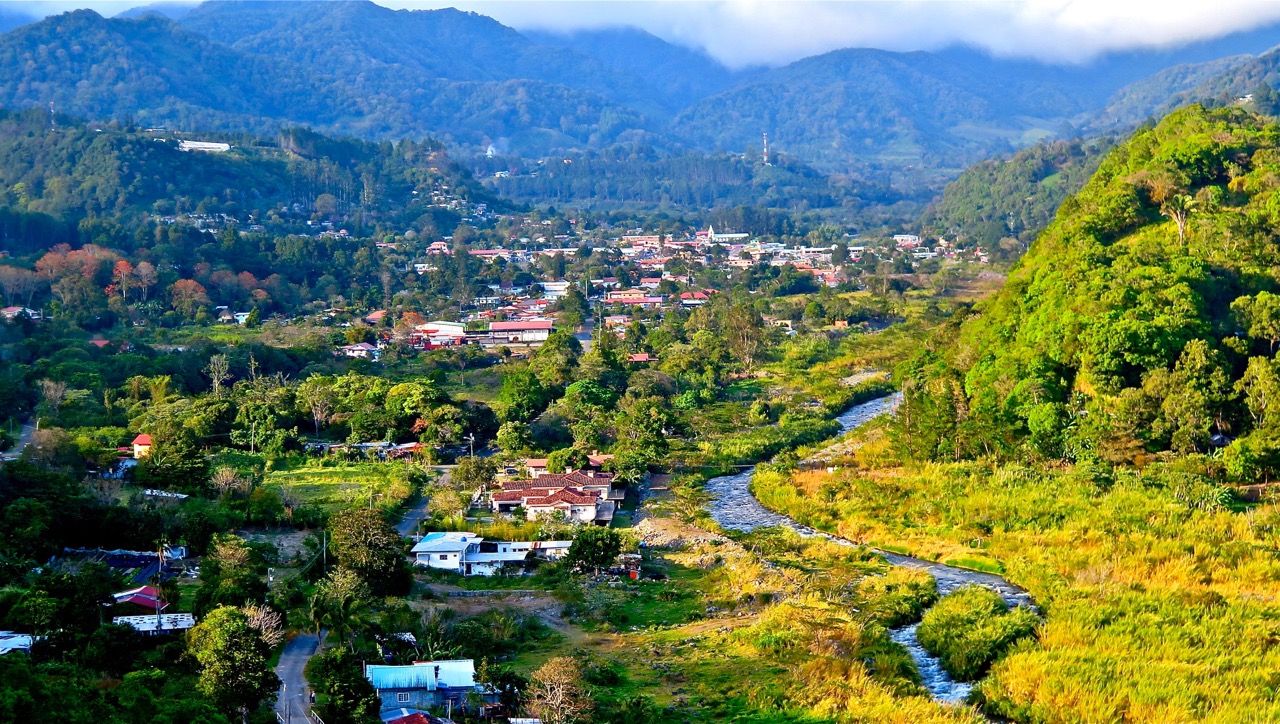
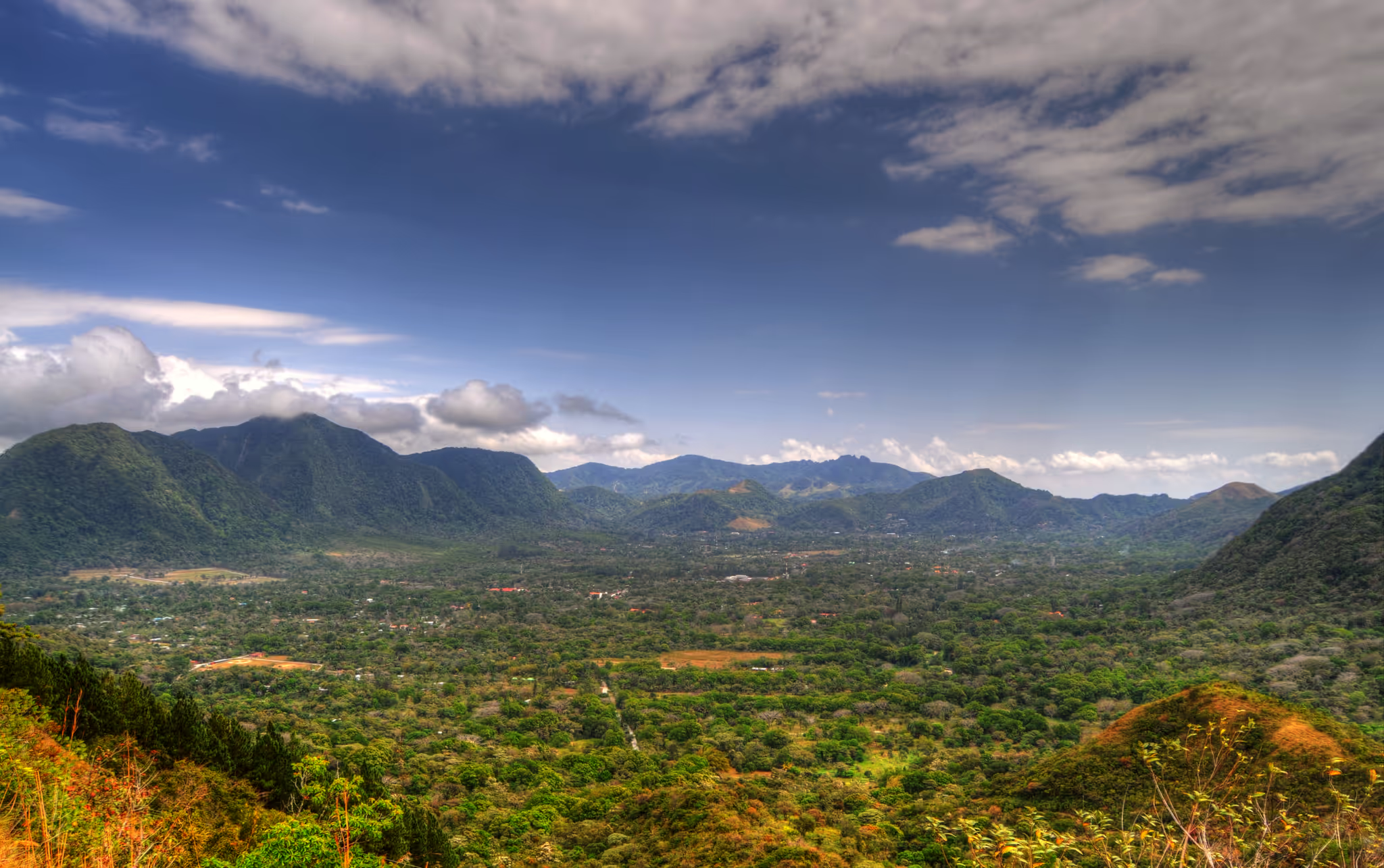
Set in the highlands of western Panama, Boquete offers a different perspective of the country — one defined by elevation, climate, and a quieter sense of scale.
Here, the air feels cooler, the landscape opens into valleys and slopes, and the pace of the day adjusts almost naturally. Mornings often begin with mist settling over the hills, gradually lifting to reveal coffee plantations and forested ridgelines that extend in every direction.
What makes Boquete distinct is not only its scenery, but how that environment shapes the experience.
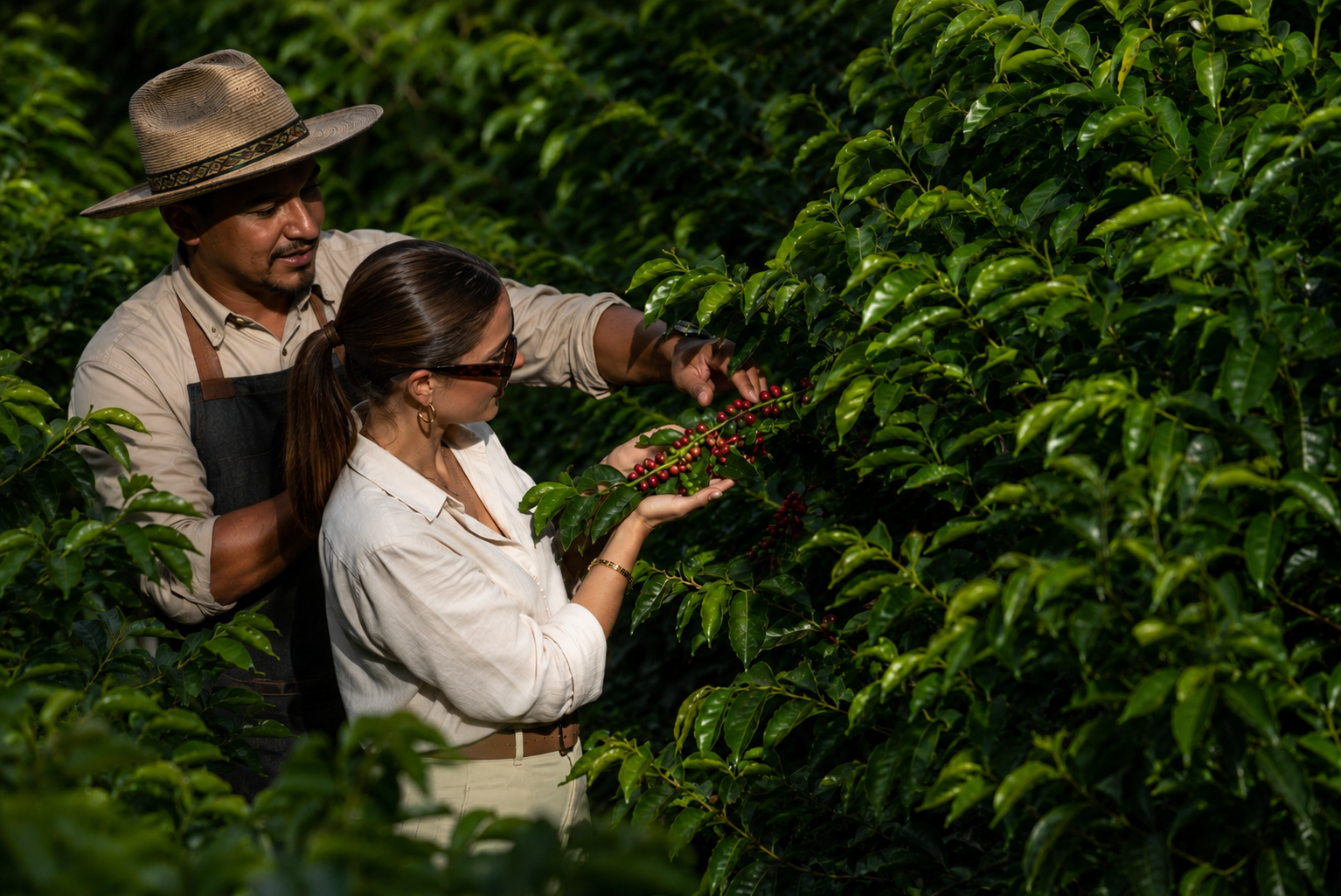
The region is widely known for its coffee, but the significance goes beyond production. Time spent here often involves moving through the landscape itself — walking through plantations, understanding how altitude and climate influence cultivation, and experiencing the process in context, something that becomes clearer when exploring how coffee is approached in this region.
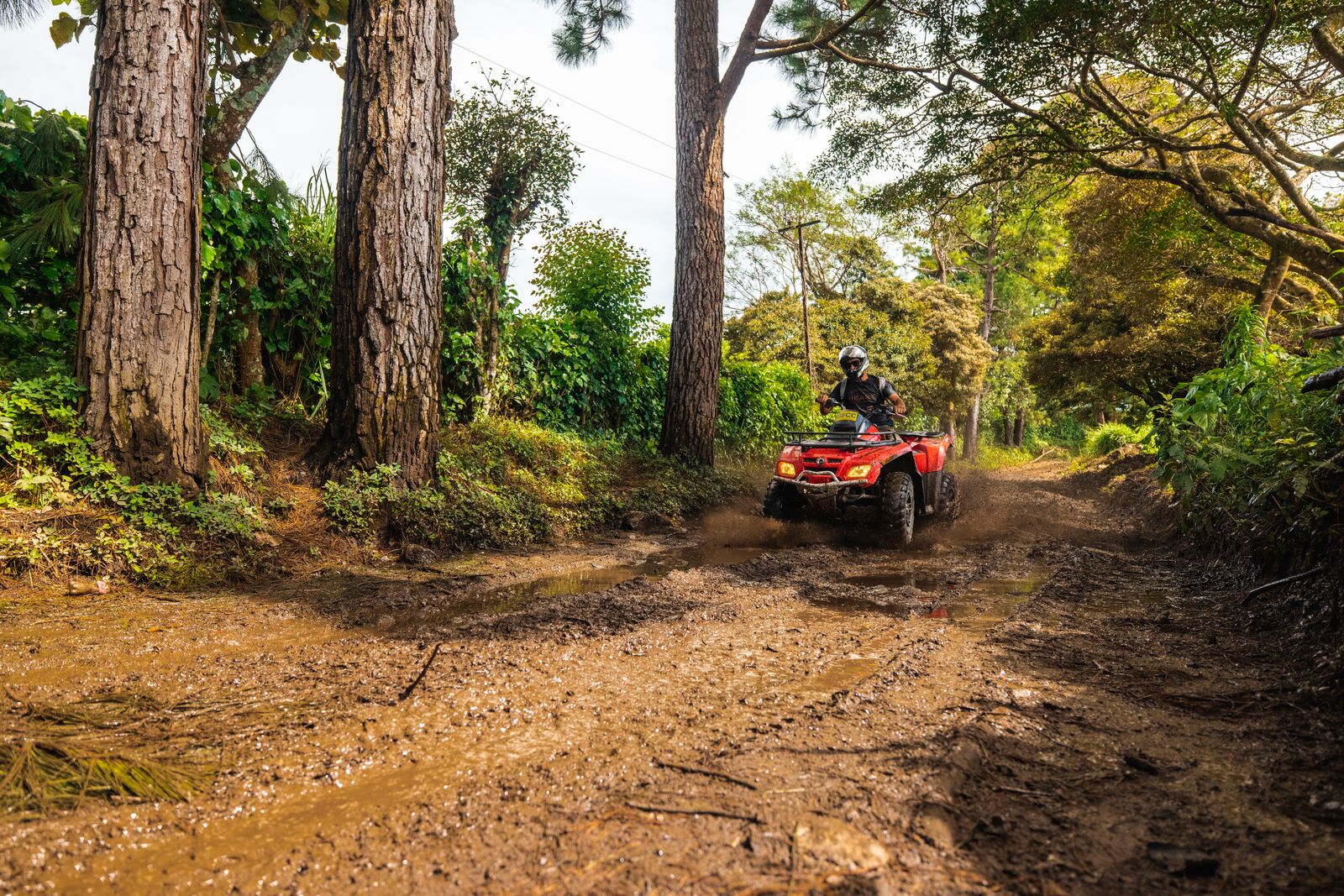
Beyond coffee, the surrounding environment invites a more active form of exploration.
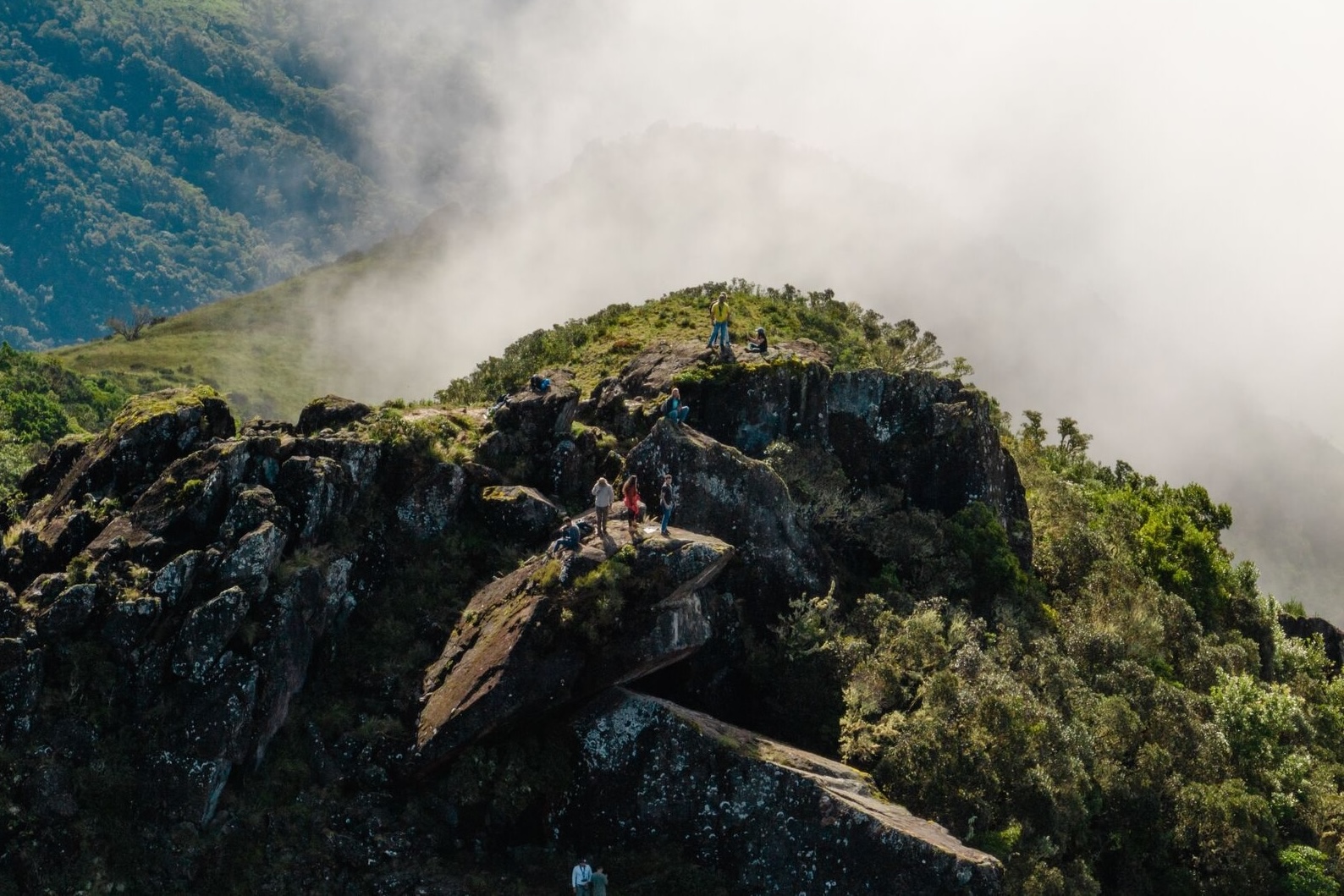
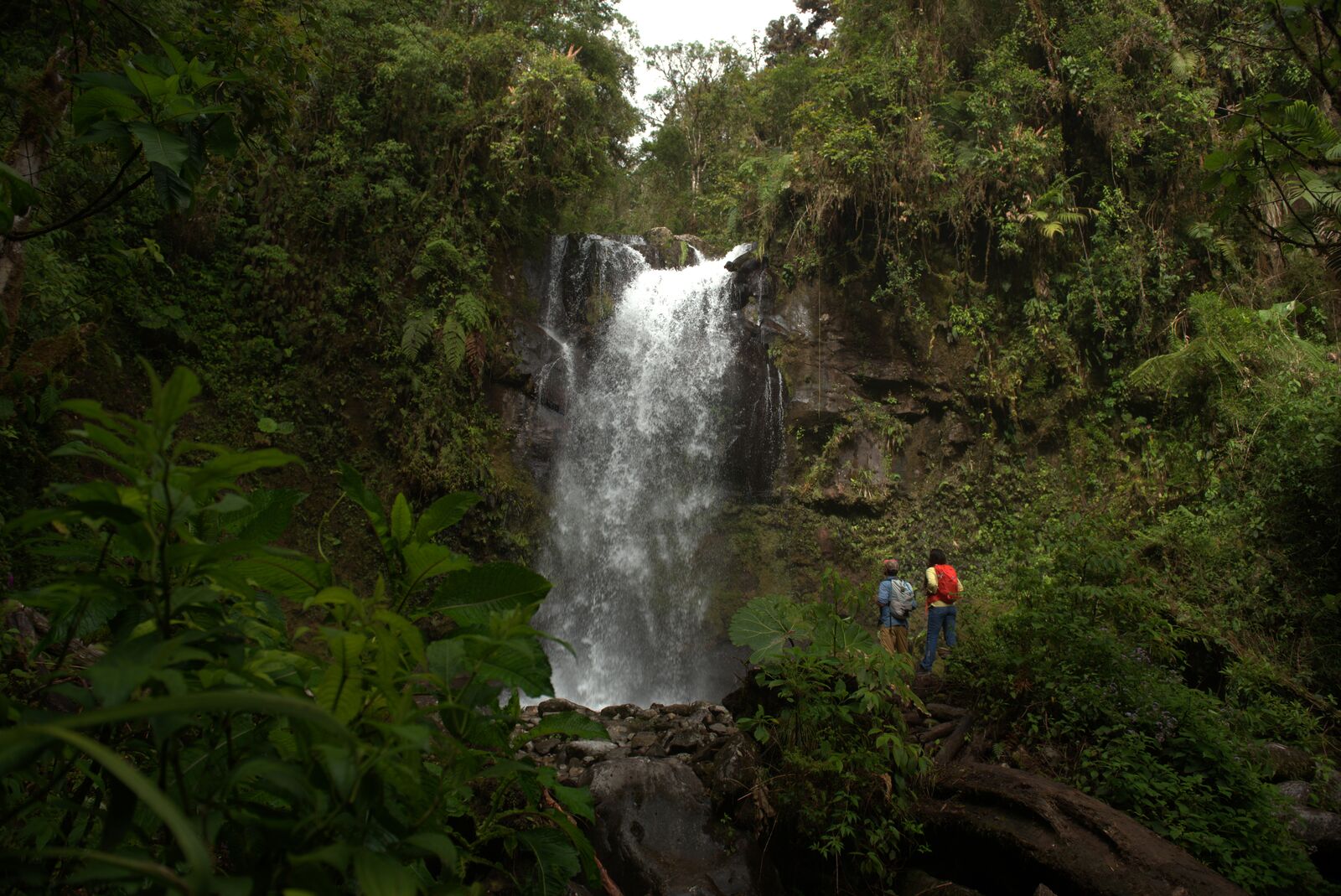
Trails move through cloud forest and along rivers, offering access to a different ecosystem than the rest of the country. The experience is not defined by intensity, but by proximity — being close to nature without needing to push into more remote conditions.
At the same time, Boquete allows for space.
Days can be structured or left open, alternating between movement and stillness. A morning outdoors may transition into a slower afternoon, with the landscape remaining present even when activity pauses.
Boquete is best experienced as a balance between environment and pace — where nature, climate, and daily rhythm come together.
Because of this, it often fits naturally within a broader journey.
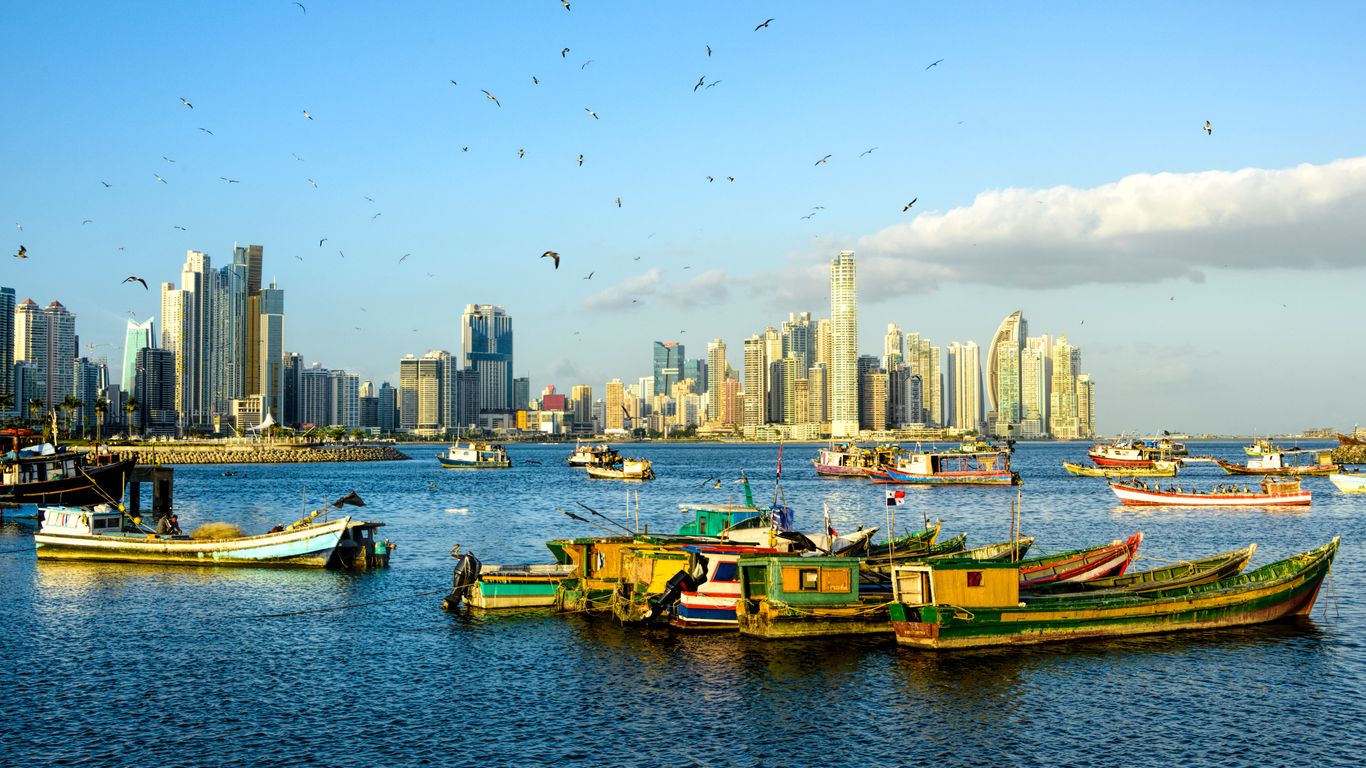
Time in the highlands is frequently combined with coastal or urban destinations, creating contrast between cooler mountain environments and warmer, more open landscapes. Travelers exploring how to structure these transitions often begin by understanding what the region offers, or how it connects with other parts of the country through different types of routes.
For some, Boquete becomes a point of focus. For others, it acts as a counterbalance — a place to slow down within a more dynamic itinerary.
In either case, the experience tends to unfold gradually.
Not through a single moment, but through the accumulation of small shifts — in light, in air, and in the way time moves.
Tell us how you’d like to experience Boquete — we’ll shape it around you.