Panama’s cultural identity is far more layered than many travelers initially expect.
Beyond its role as a global transit point, the country holds a rich network of traditions shaped by indigenous communities, Afro-Caribbean heritage, colonial history, migration, and centuries of exchange between regions.
Experiencing this side of Panama requires a different mindset.
It is less about checking off landmarks, and more about understanding how people, place, and history remain connected in the present.
The most meaningful cultural experiences are not observed from a distance — they are understood through context.
Indigenous Heritage & Cultural Landscapes
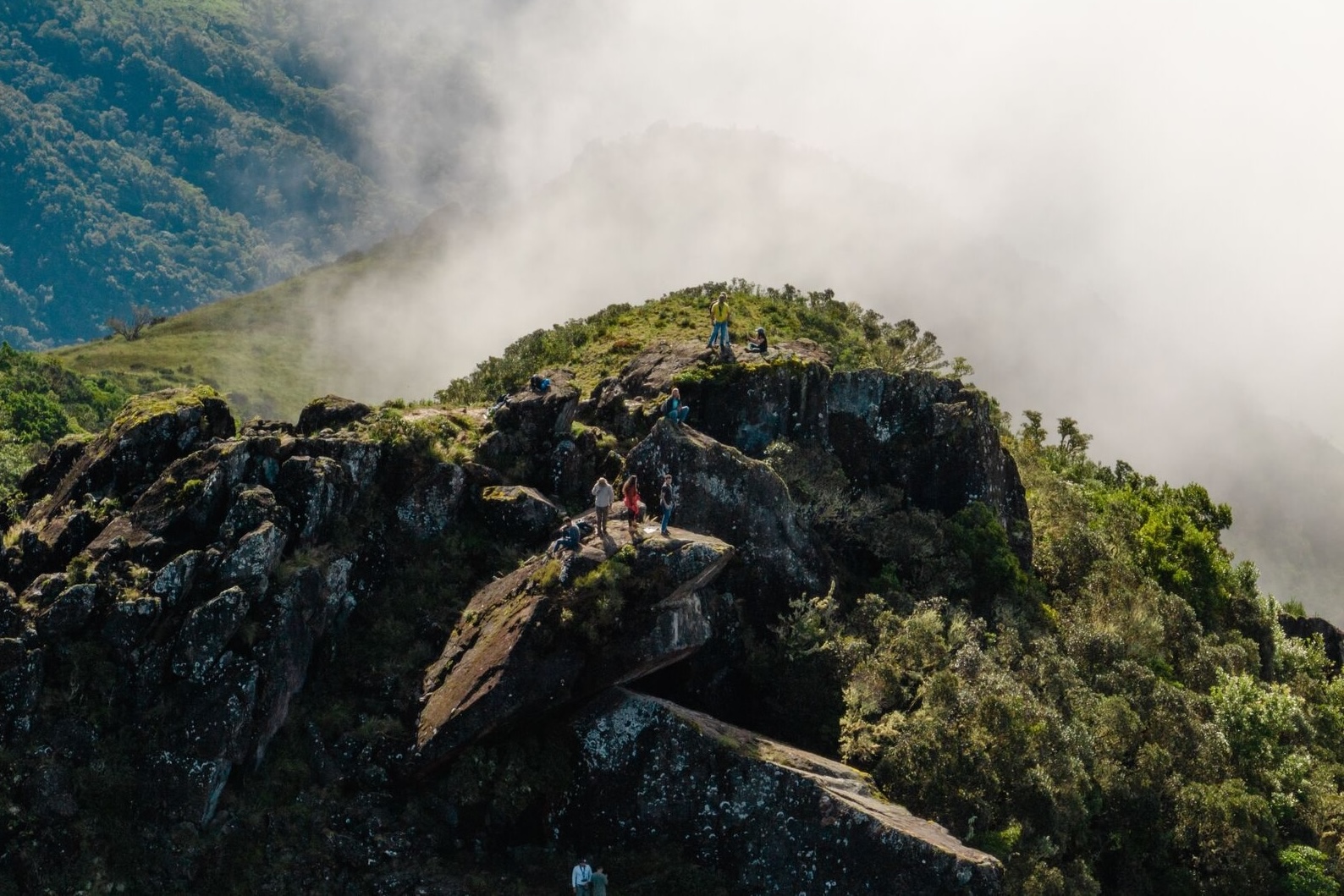
Some of Panama’s most important cultural experiences are deeply connected to land.
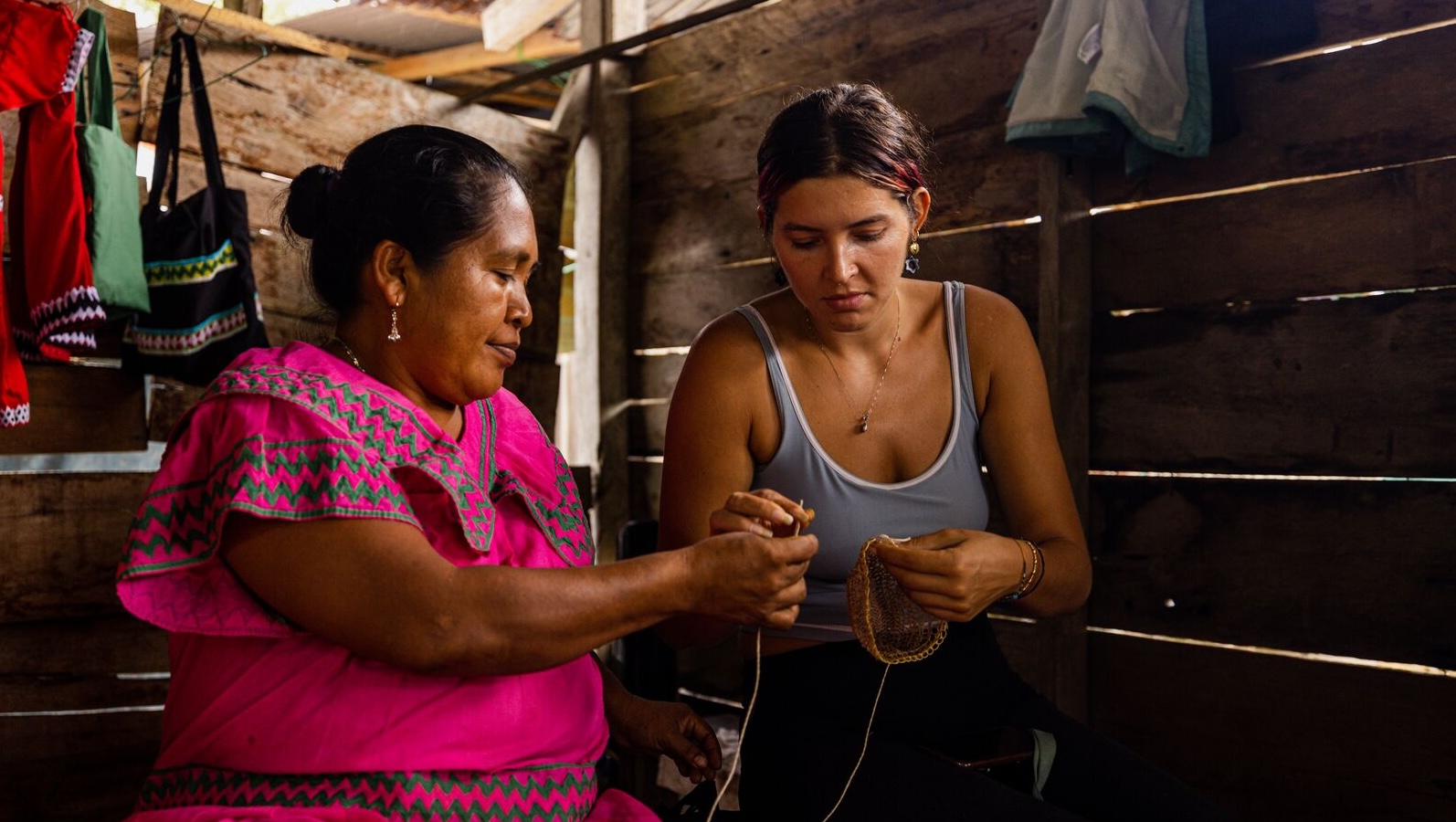
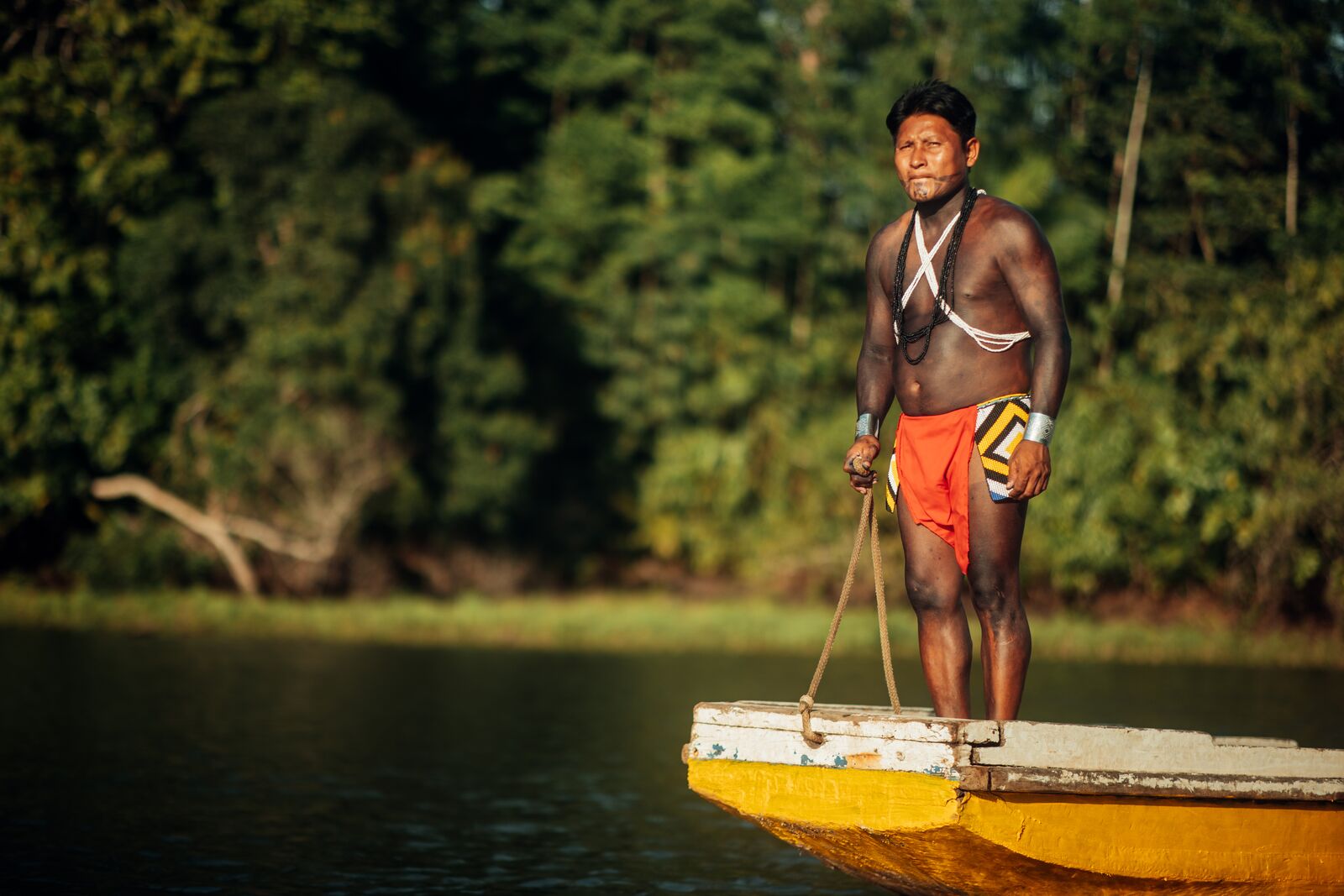
In regions such as Chagres, indigenous communities maintain traditions that remain closely tied to river systems, rainforest environments, and longstanding ways of inhabiting the landscape.
Further east, the San Blas Islands offer another dimension entirely, where Guna autonomy continues to shape how the destination is experienced.
These are not cultural experiences built for performance.
They are living systems.
For travelers, meaningful engagement depends less on access alone and more on how that access is approached.
Afro-Caribbean Identity, History & Port Cities
Panama’s Caribbean side carries another equally important cultural layer.
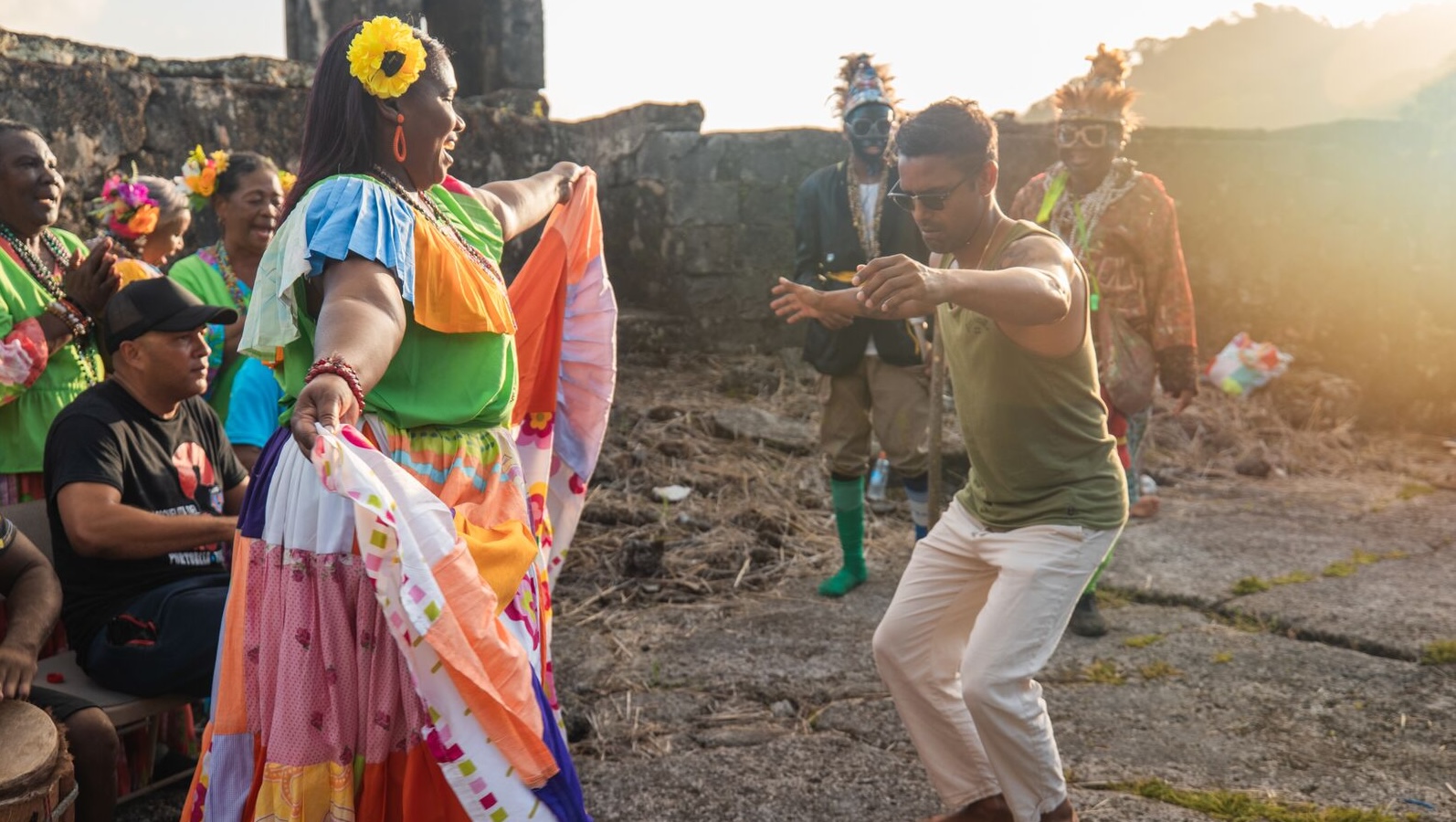
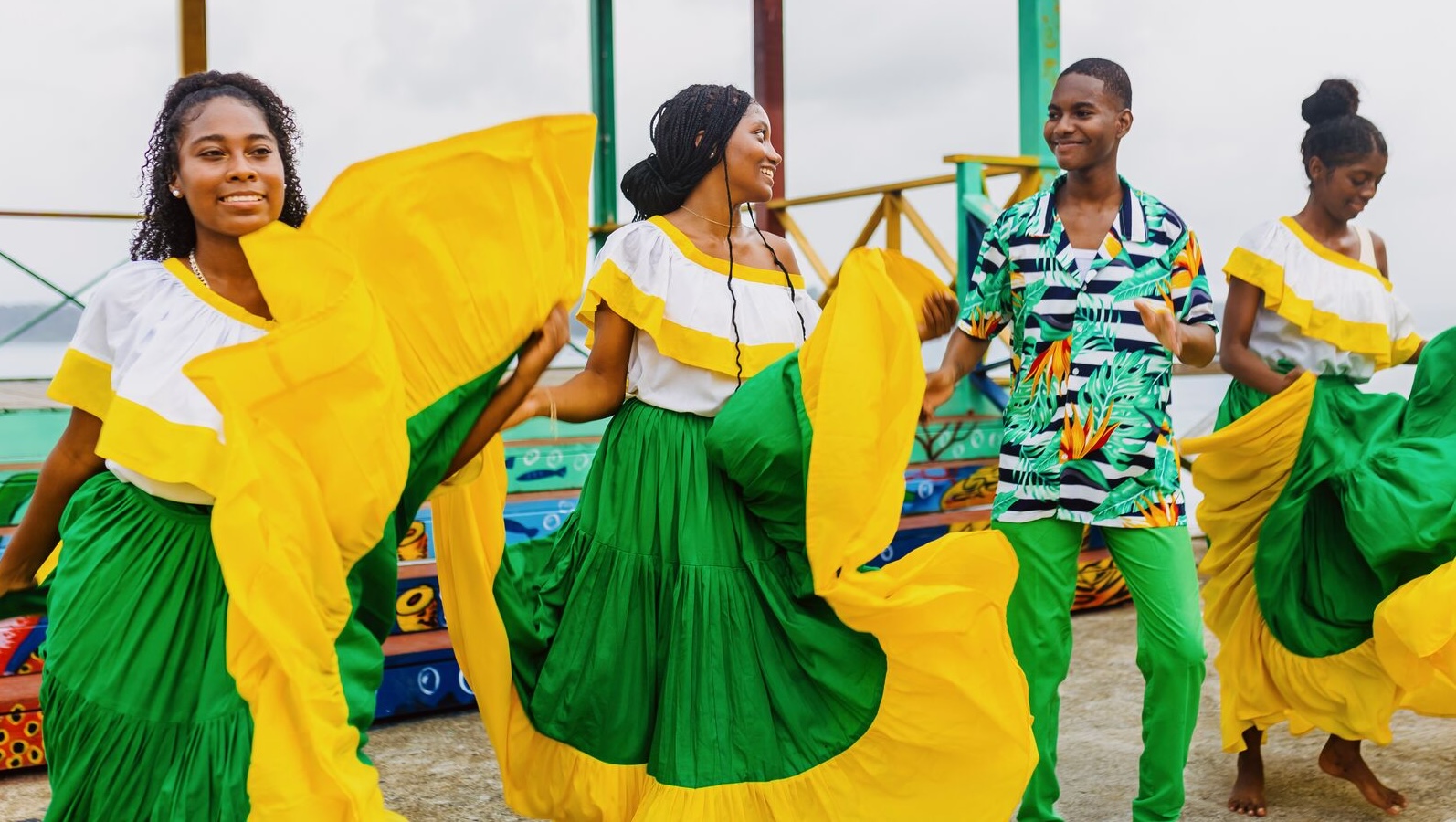
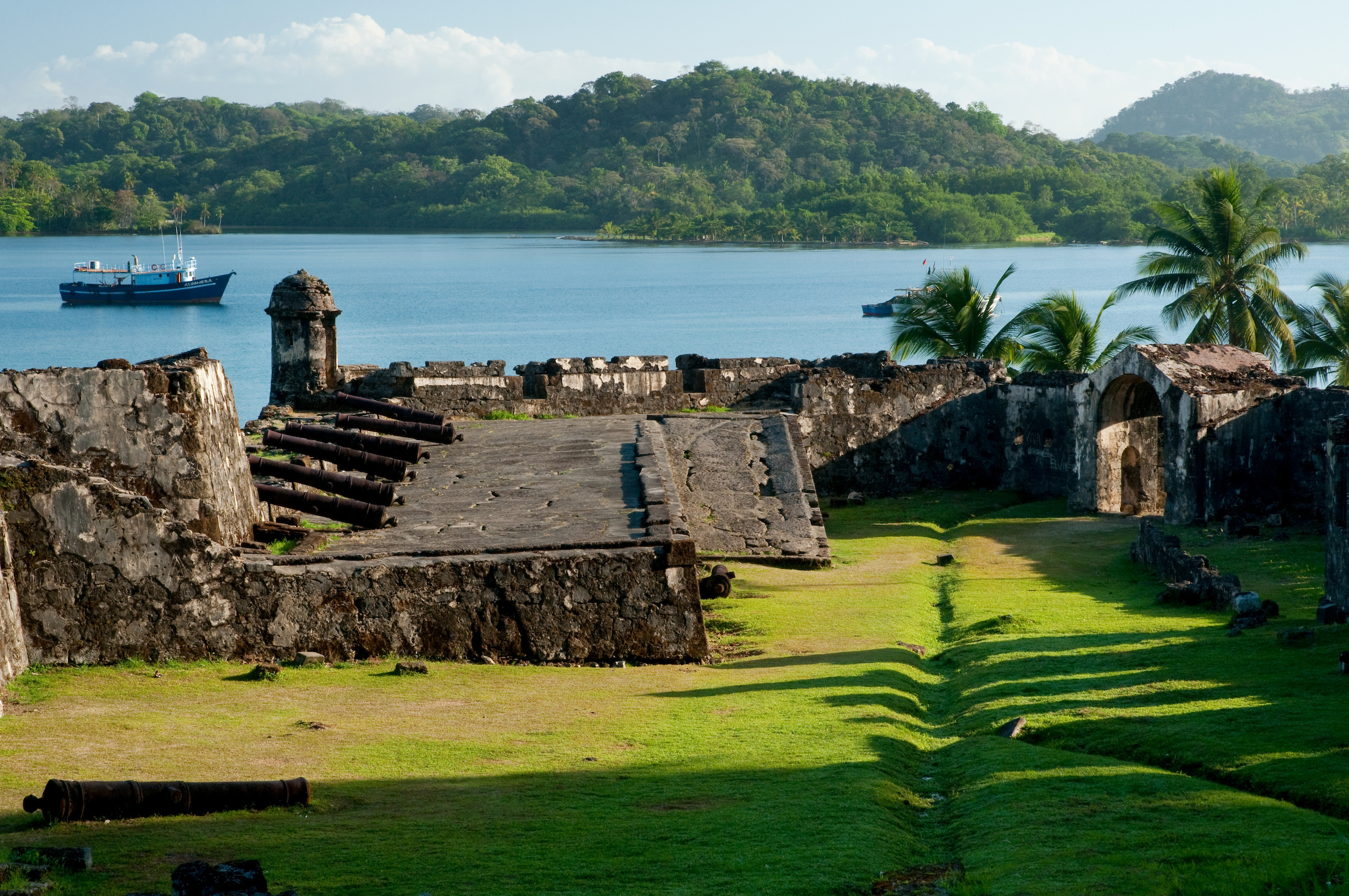
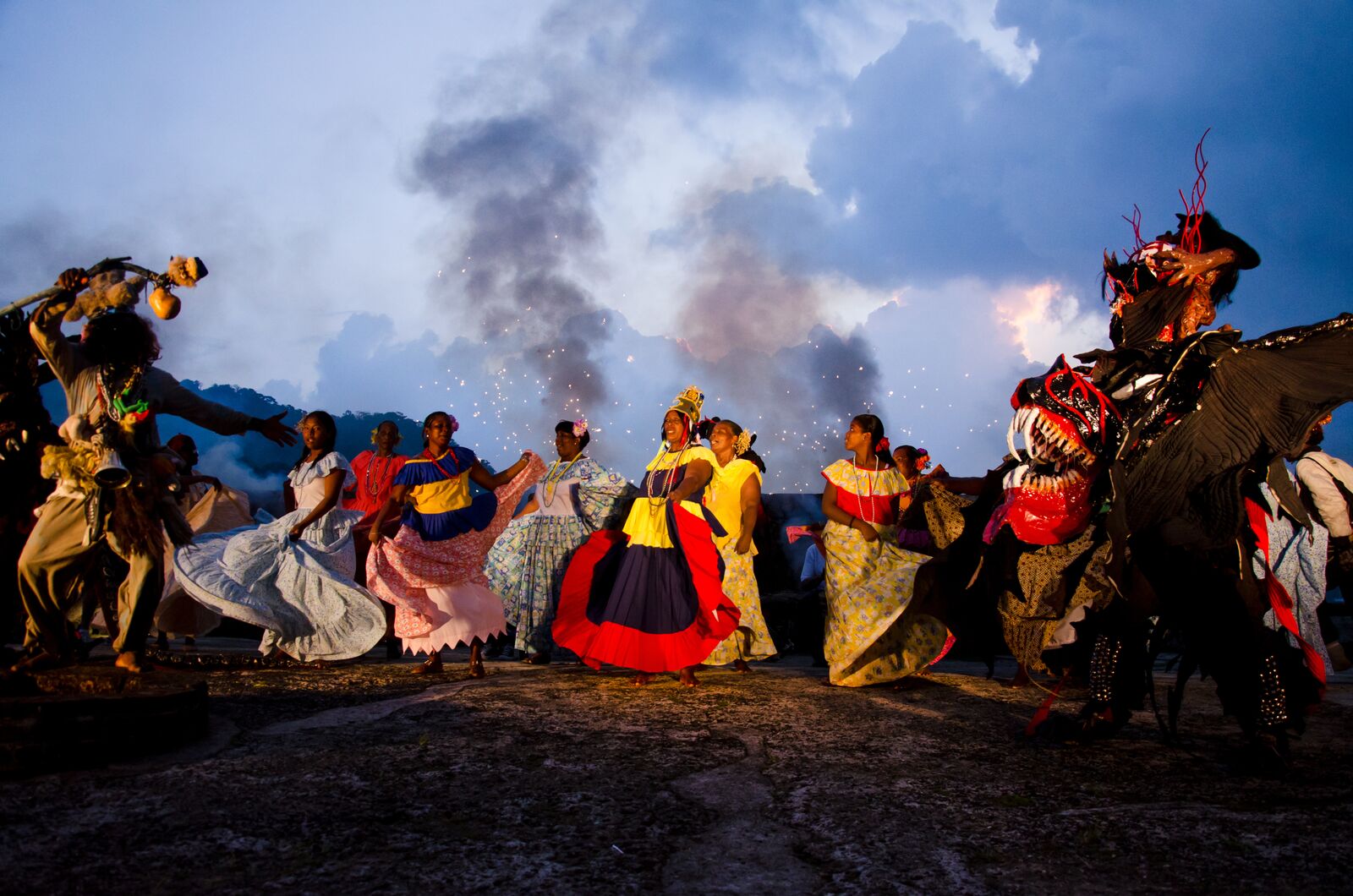
Destinations like Portobelo reflect histories shaped by trade, migration, music, resilience, and Afro-Caribbean identity that remain visible in daily life.
Here, culture is not isolated from the environment.
The Caribbean atmosphere, local rhythm, and community presence all shape the experience simultaneously.
Even in destinations better known for marine or island travel, such as Bocas del Toro, cultural identity remains part of the broader experience — expressed through food, pace, and local life.
This dimension adds depth to journeys that might otherwise be approached only through landscape.
Culture Within a Wider Panama Journey
Cultural experiences rarely exist in isolation.
They become most meaningful when integrated into broader journeys with intention.
A traveler may combine time in cultural regions with nature-focused destinations, marine exploration, or more urban experiences in Panama City, creating contrast between environments while building a more complete understanding of the country.
This is where tailored journeys and thoughtfully structured itineraries become particularly valuable.
Because cultural travel is not simply about access.
It is about interpretation.
Timing.
Sensitivity.
And placing experiences within the right broader context.
Culture in Panama is not something preserved behind glass — it is something still being lived.