A defining corridor shaped by history, movement, and the connection between oceans.

Few places in the world are as closely associated with movement as the Panama Canal Region.
Cutting across the country, the canal is often understood as an engineering achievement. But the region that surrounds it reveals something more — a landscape where infrastructure, water, and rainforest exist within the same continuous system.
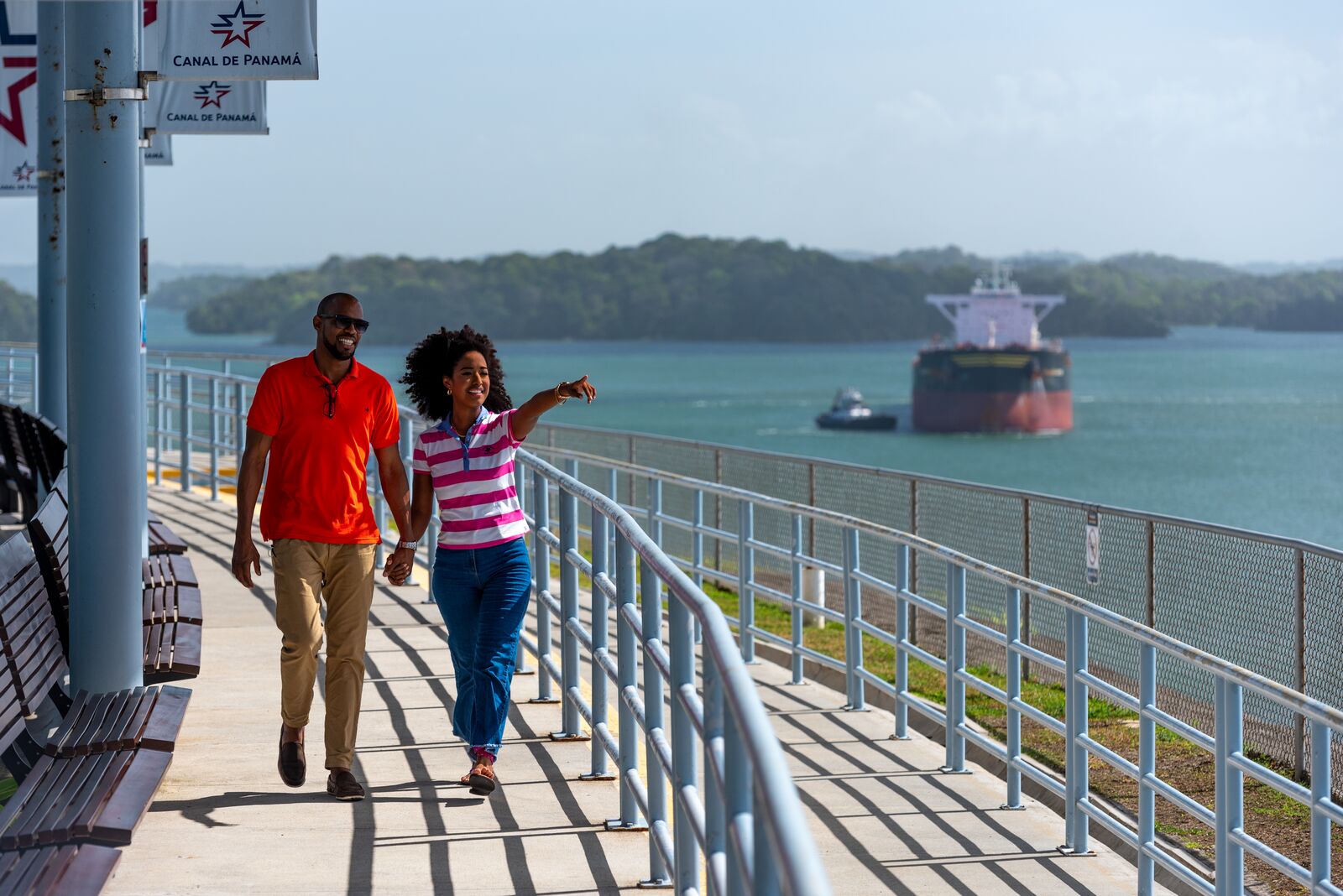
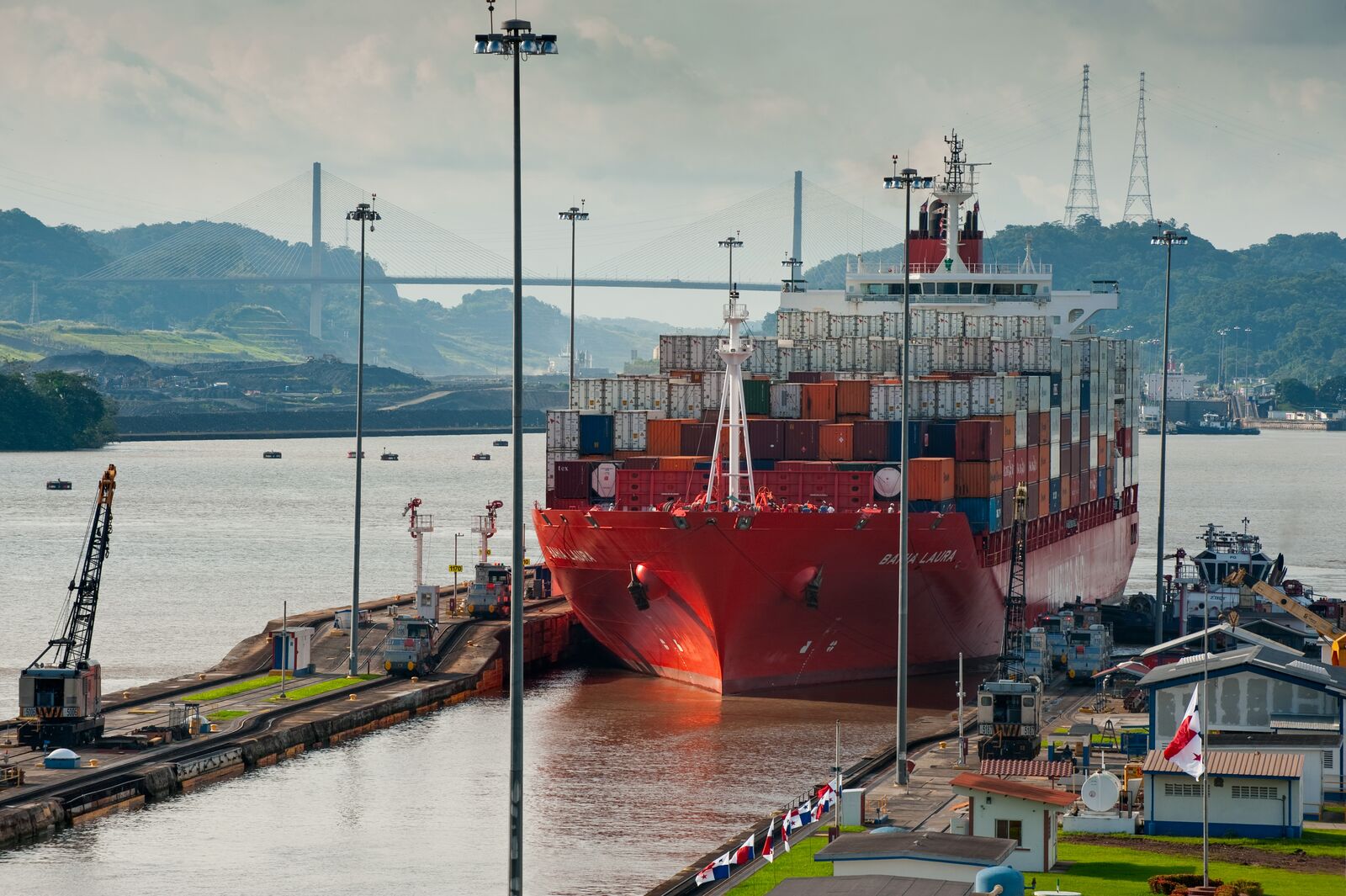
The experience begins near Panama City, where the scale of the canal becomes visible.
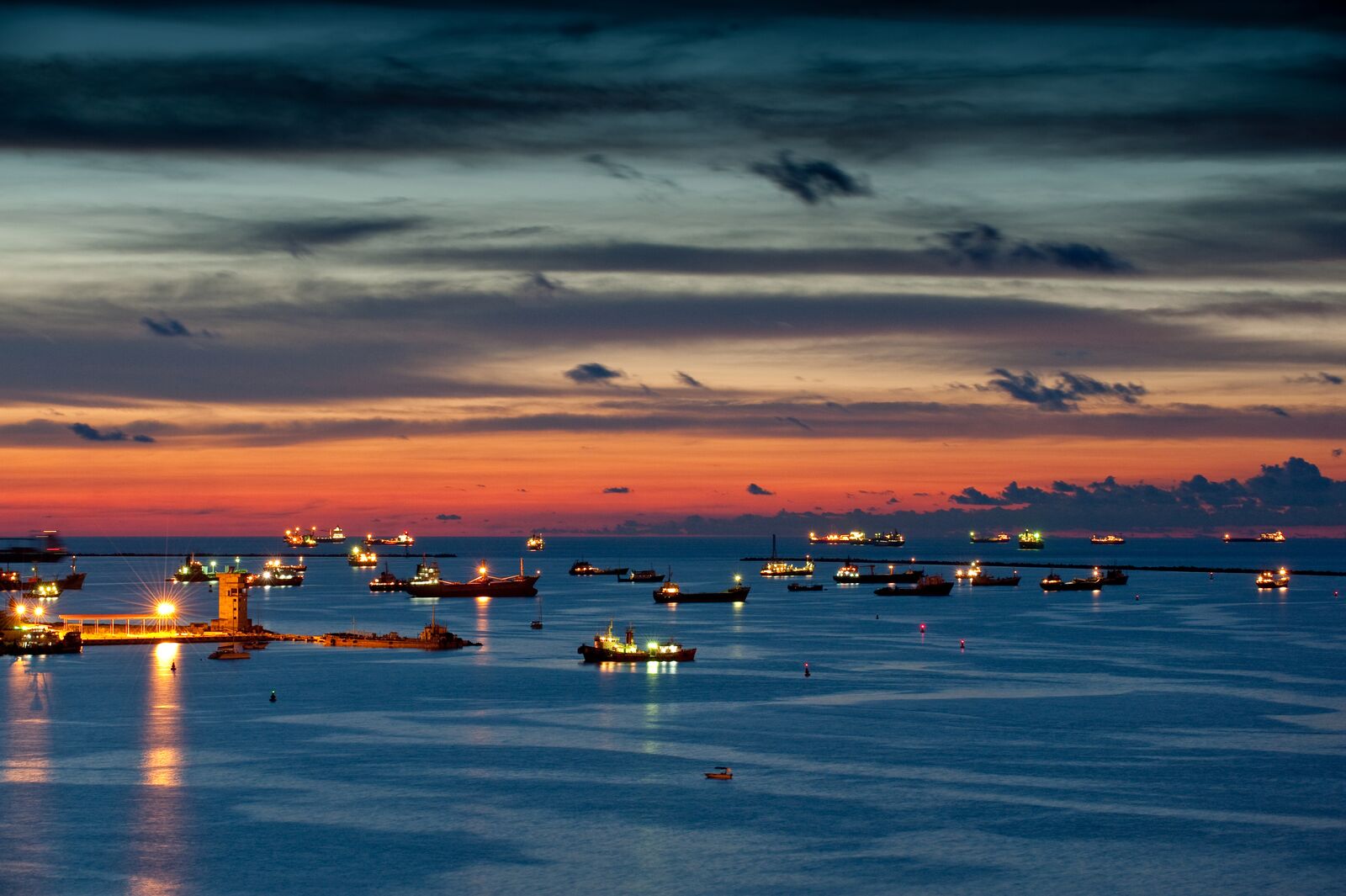
Ships move slowly through the locks, rising and descending with a precision that feels almost deliberate. From this vantage point, the canal is understood not only as a route, but as a process — one defined by timing, coordination, and flow.
The Panama Canal Region is defined by connection — between oceans, landscapes, and systems that operate across them.
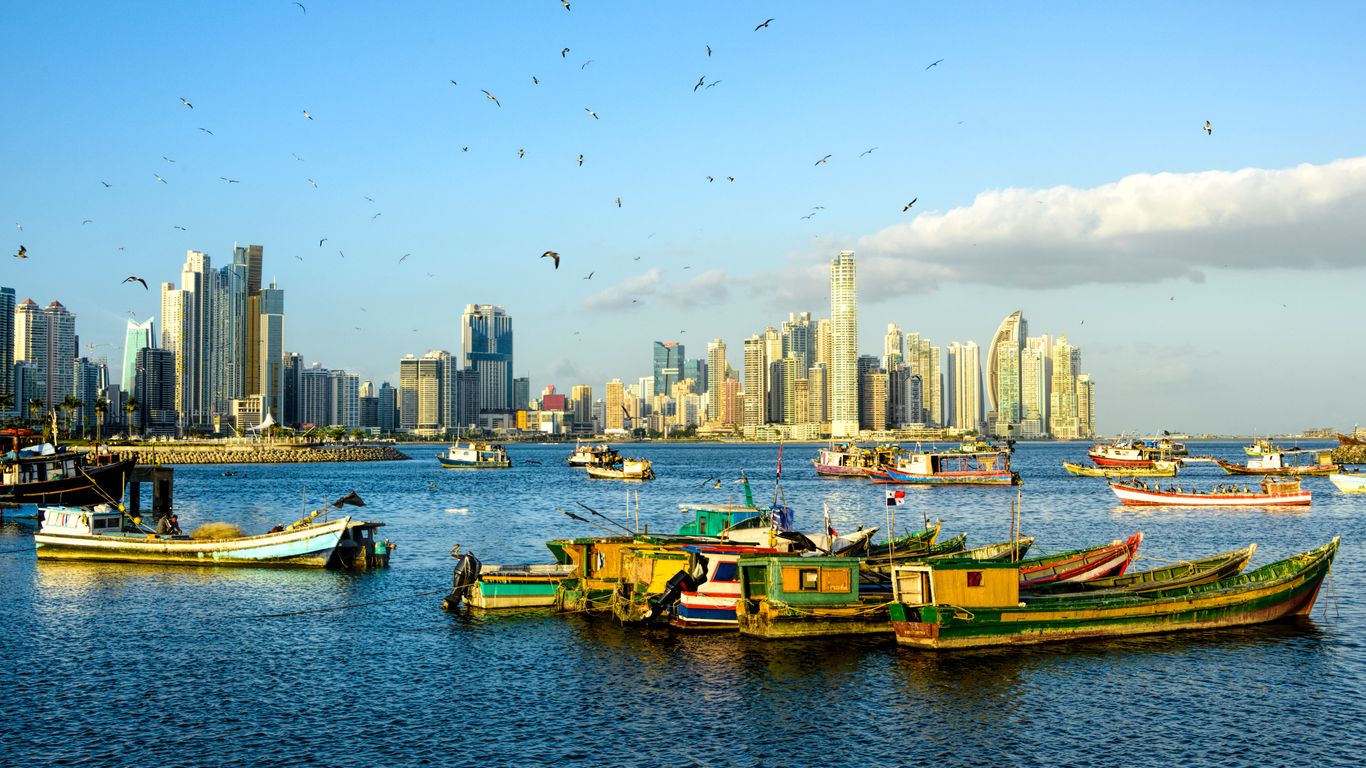
This perspective often becomes clearer when spending time in the city itself, particularly when moving through different areas and understanding how the canal fits within the broader urban landscape.
Beyond the locks, the environment expands.
Waterways extend into forested areas, and the boundary between constructed and natural space becomes less defined. The canal does not sit apart from the landscape; it moves through it.
This connection is particularly evident in surrounding areas such as Chagres, where the same water systems continue into dense rainforest environments. Here, the experience shifts from observation to immersion — moving along rivers, entering quieter areas, and understanding how the canal is part of a broader ecological network.
The region also carries a strong historical dimension.
Its role in global trade has shaped not only Panama, but the movement of goods and people between continents. This context adds depth to the experience, especially when approached through broader cultural perspectives that explore how the country has evolved over time.
At the same time, the canal region is not limited to history or infrastructure.
It offers a way to understand how geography, logistics, and landscape interact within Panama itself.
The canal region is often integrated into wider itineraries — connecting urban exploration with nature, or acting as an introduction to the country before moving into more remote or varied environments.
For some travelers, it is a point of focus.
For others, it provides context — a way of understanding how Panama functions before experiencing it more directly.
In both cases, the region offers something distinct.
Not a destination in isolation, but a framework through which the rest of the country can be understood.
Some destinations are defined by place. The canal region is defined by movement, systems, and connection.

Tell us how you’d like to experience it — we’ll shape the route, context, and journey around your interests.