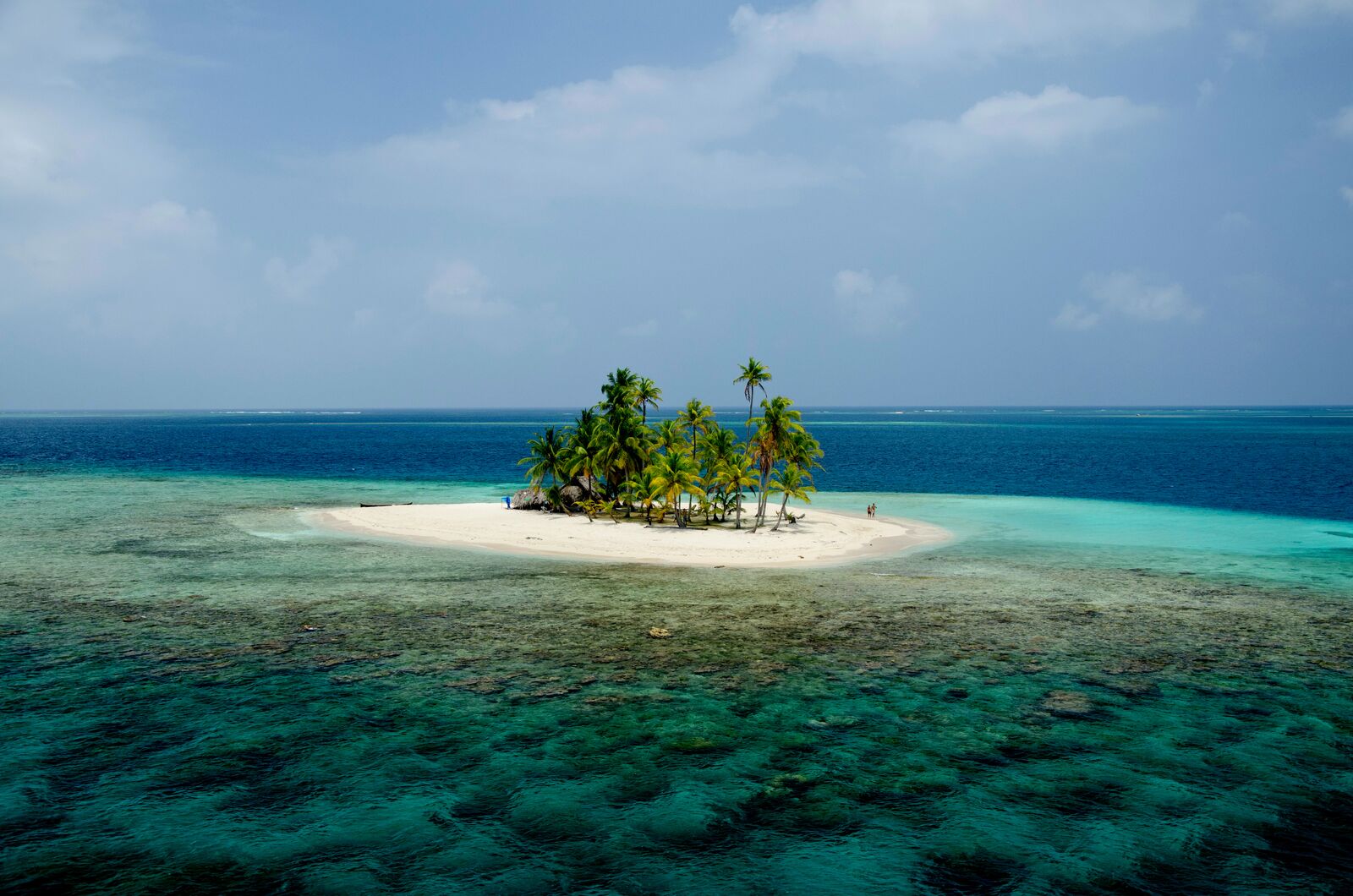
Remote islands, open water, and a more expansive sense of scale.
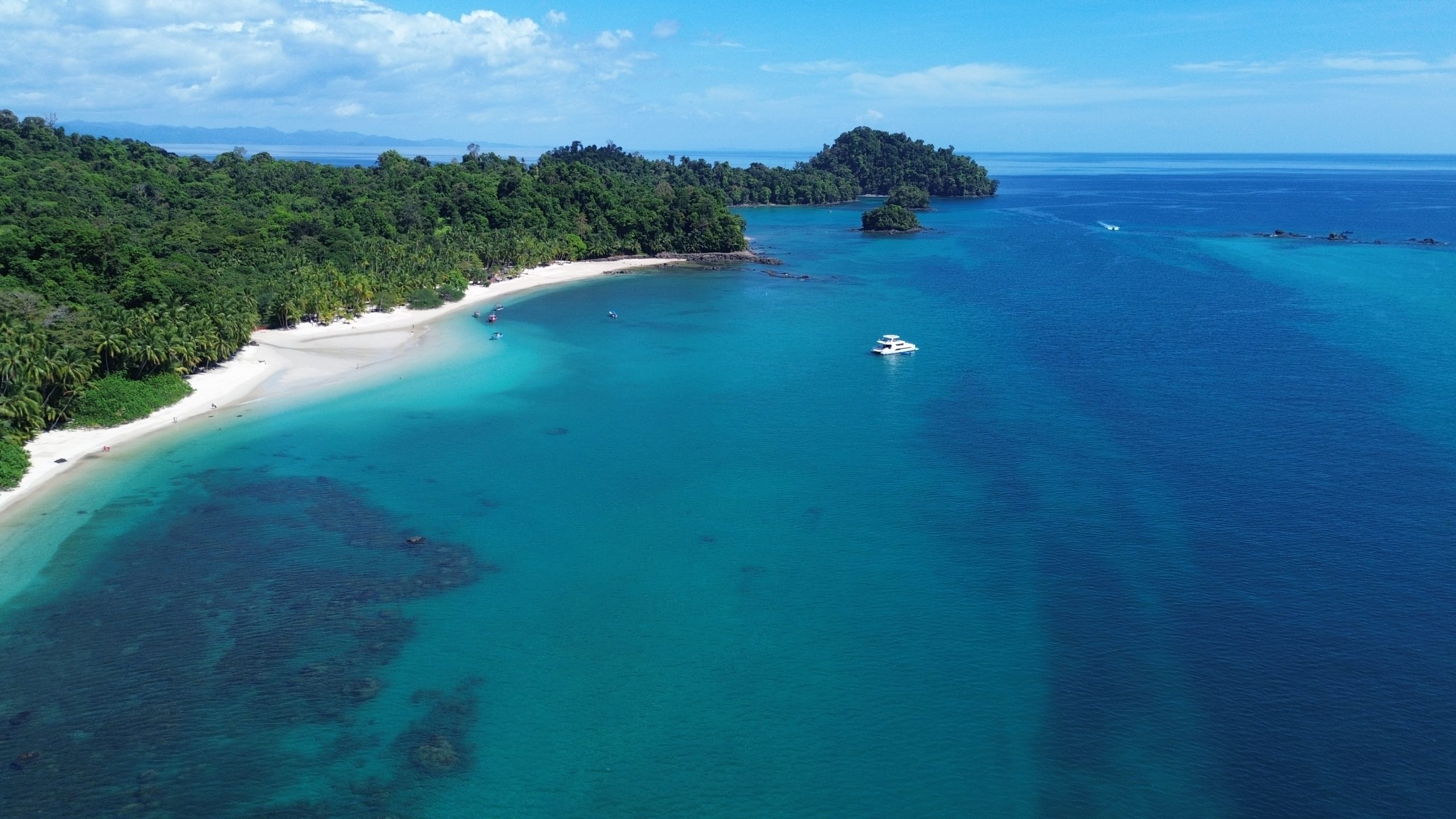
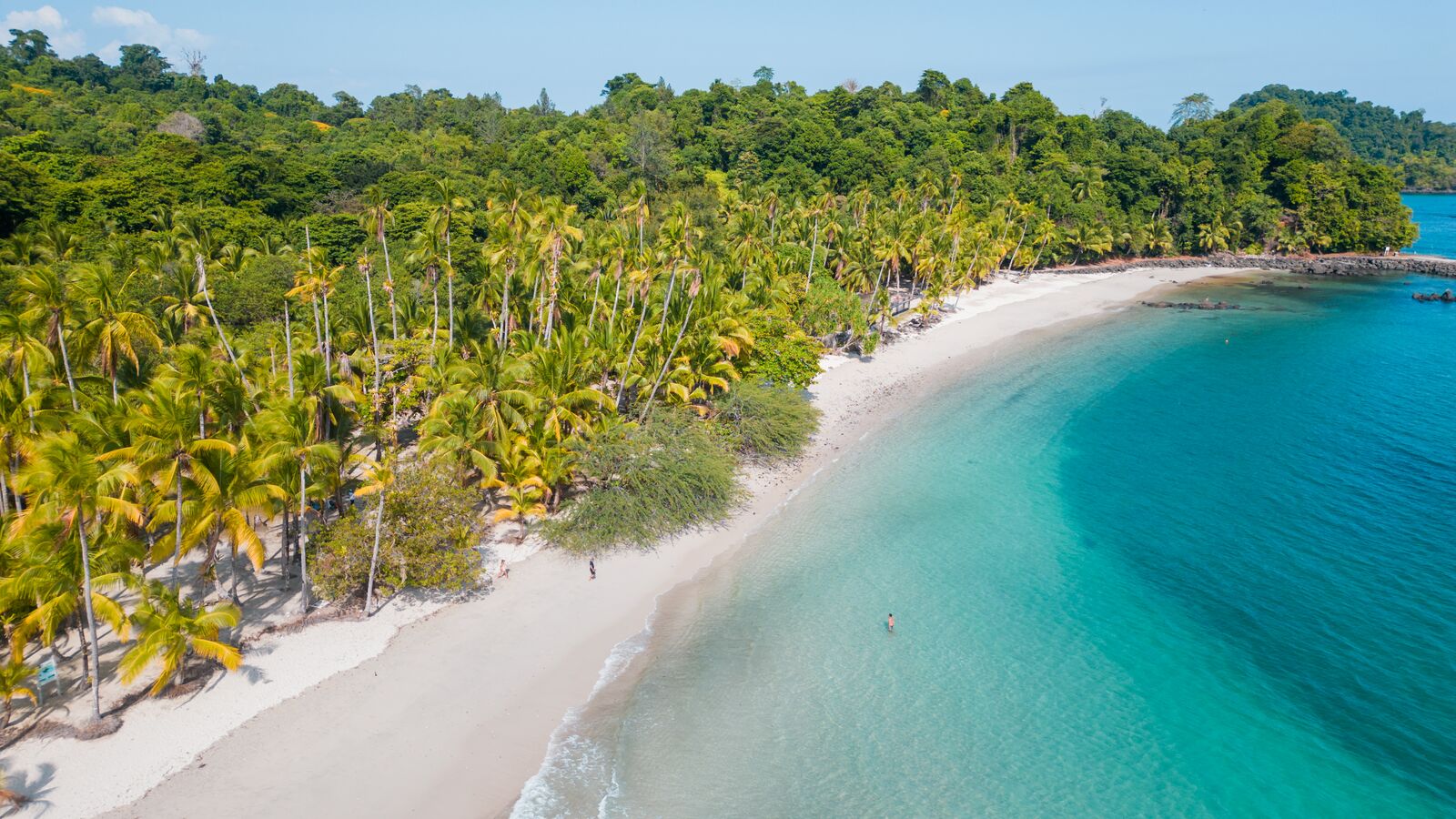
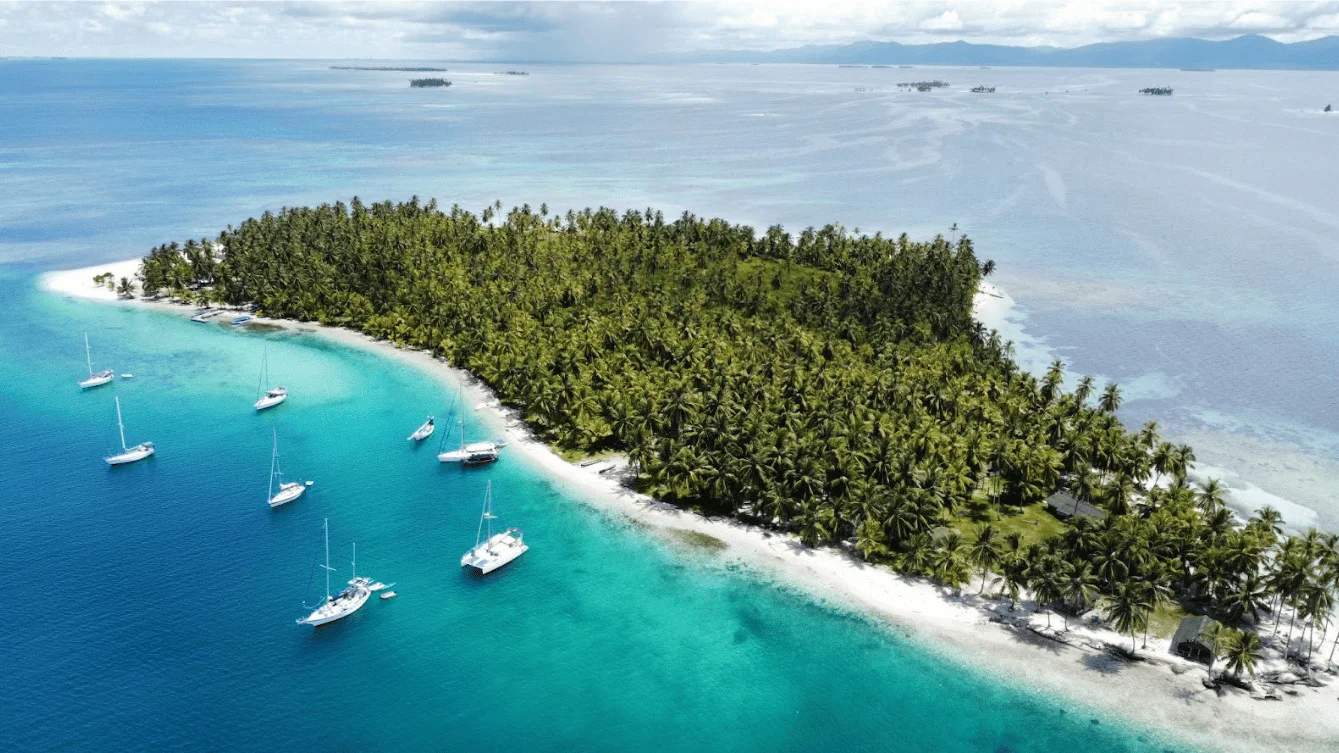
Along Panama’s Pacific coast, the Gulf of Chiriquí unfolds as a wide network of islands, channels, and protected marine areas — where distance, rather than density, shapes the experience.
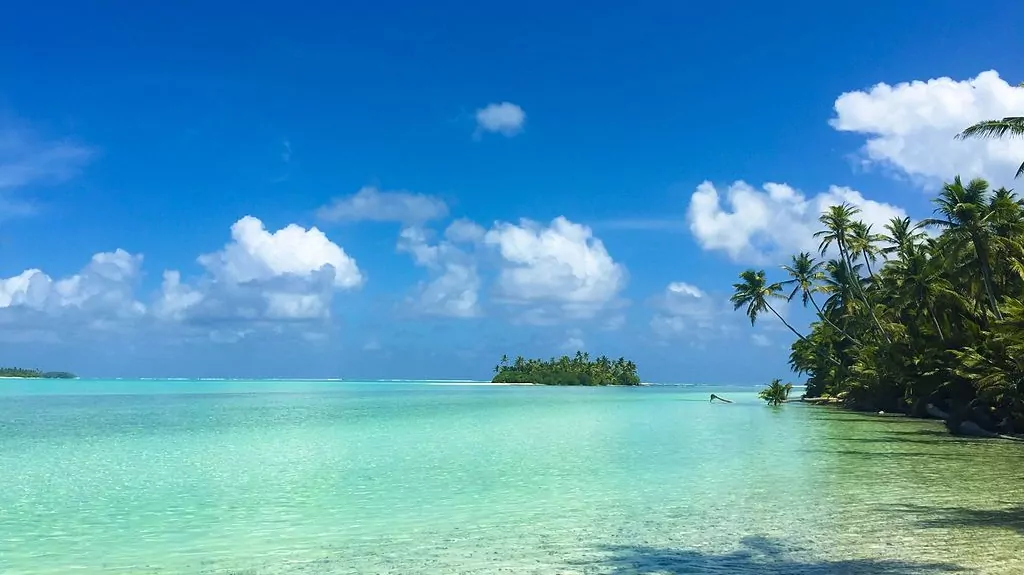
Compared to the Caribbean, the scale here feels different.
Islands are more dispersed, crossings are longer, and the landscape opens into a broader horizon. Movement becomes more deliberate, often requiring a combination of planning and timing that defines how each day unfolds.
Reaching the region is part of the transition.
Departures typically begin from coastal points further west, gradually moving into environments where the presence of infrastructure becomes less visible. As the coastline recedes, the experience shifts toward something quieter — shaped by water, light, and the changing conditions of the sea.
This sense of access is central to how the Gulf is experienced.
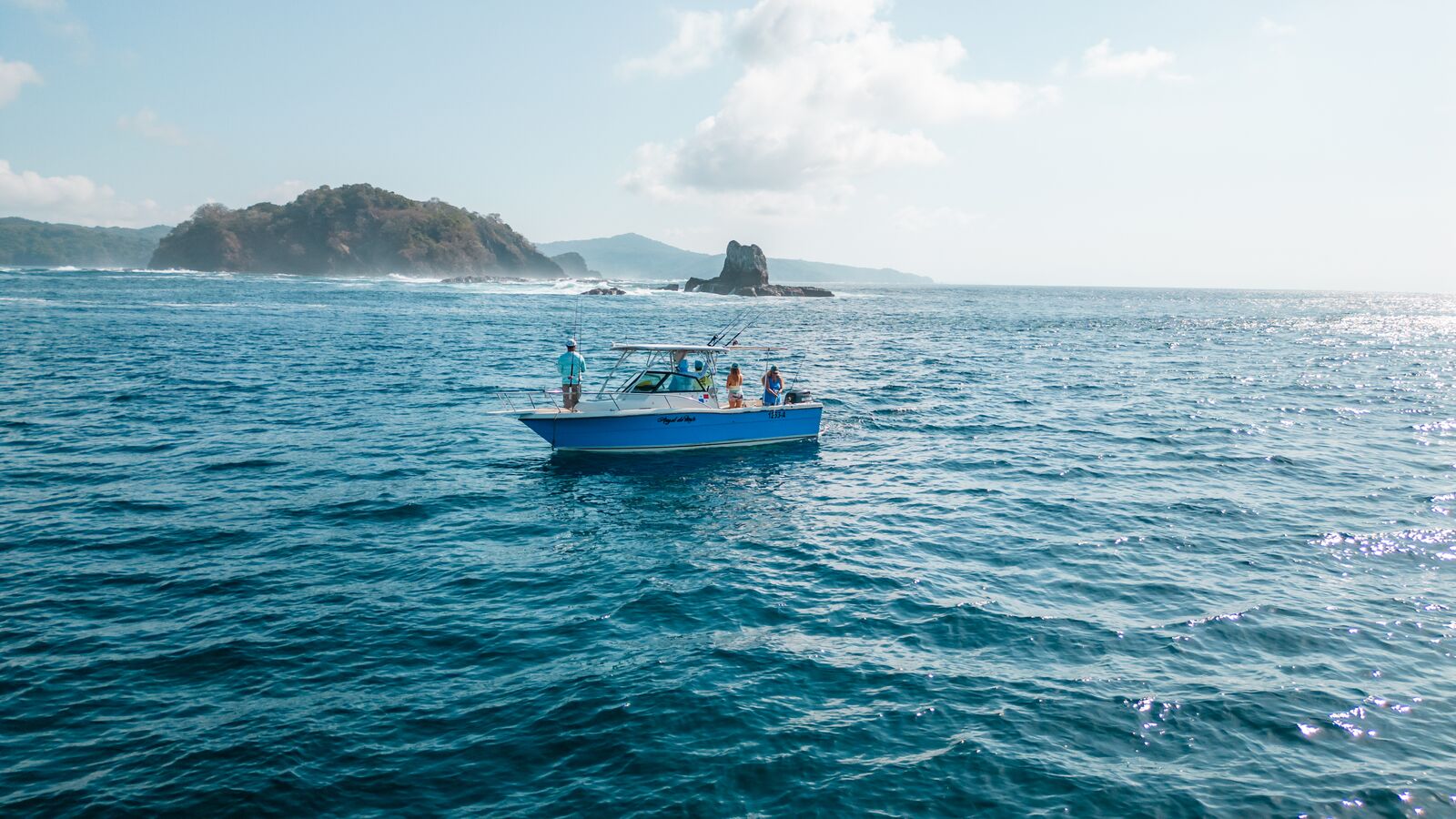
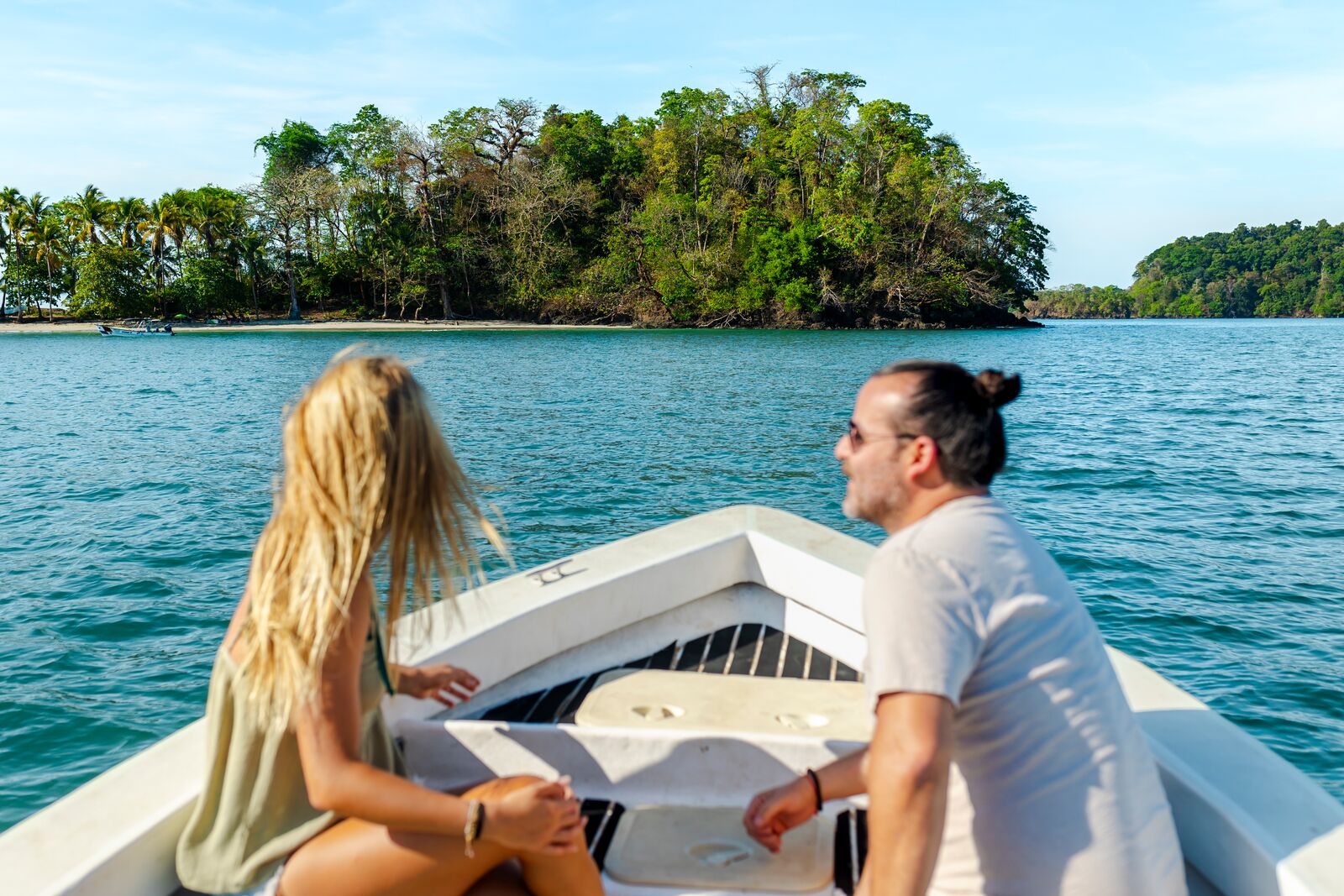
Routes across the region often take the form of island hopping and marine journeys, where movement between islands creates continuity, or more focused fishing expeditions that take advantage of the area’s productive waters and relative isolation.
At the same time, the Gulf is closely tied to its surrounding ecosystems.
Marine environments here intersect with protected areas and national parks, allowing for encounters that extend beyond the coastline. This connection becomes more evident when exploring the region through resources like Gulf of Chiriquí Travel Guide or understanding how it relates to nearby destinations such as Coiba Island.
What distinguishes the Gulf of Chiriquí is not only its remoteness, but the way that remoteness is structured.
Some experiences are built around exploration — moving across multiple islands and environments. Others focus on staying in a single, more isolated setting, where the pace slows and the landscape becomes constant.
The Gulf of Chiriquí is defined by space and access — where the experience is shaped as much by how you move as by where you arrive.
Because of this, it is often integrated into broader routes.
Travelers may combine time here with highland regions like Boquete or extend into more remote coastal environments, creating contrast between elevation, climate, and pace. This approach is often reflected in longer itineraries that balance movement and stillness, such as those outlined in 10-Day Panama Itinerary: Jungle, Islands & Culture.
For some, the Gulf becomes the central focus of the journey.
For others, it acts as a counterpoint — a place where the scale of the landscape shifts, and the experience opens outward.

Tell us how you’d like to experience the Gulf — we’ll shape the route around you.