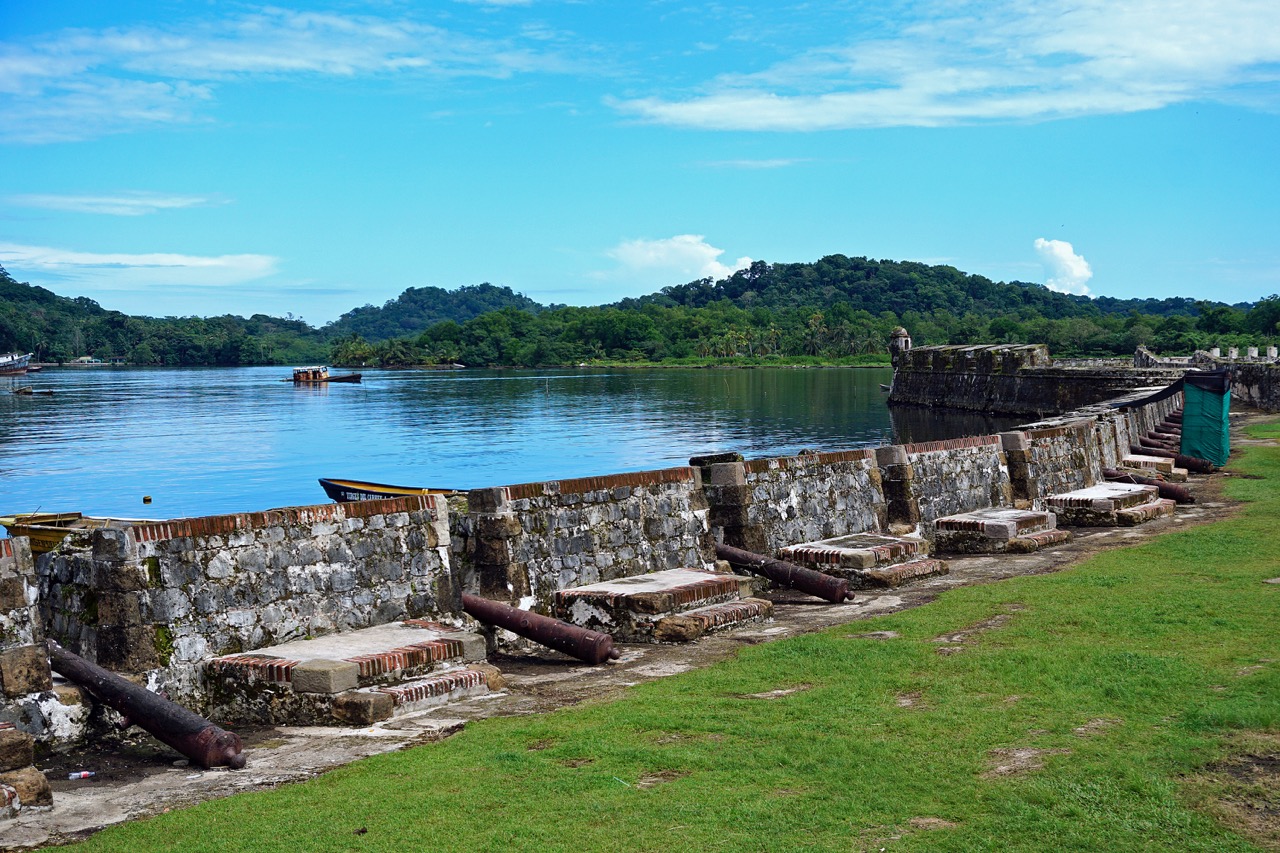
A dynamic starting point shaped by skyline, culture, and connection.
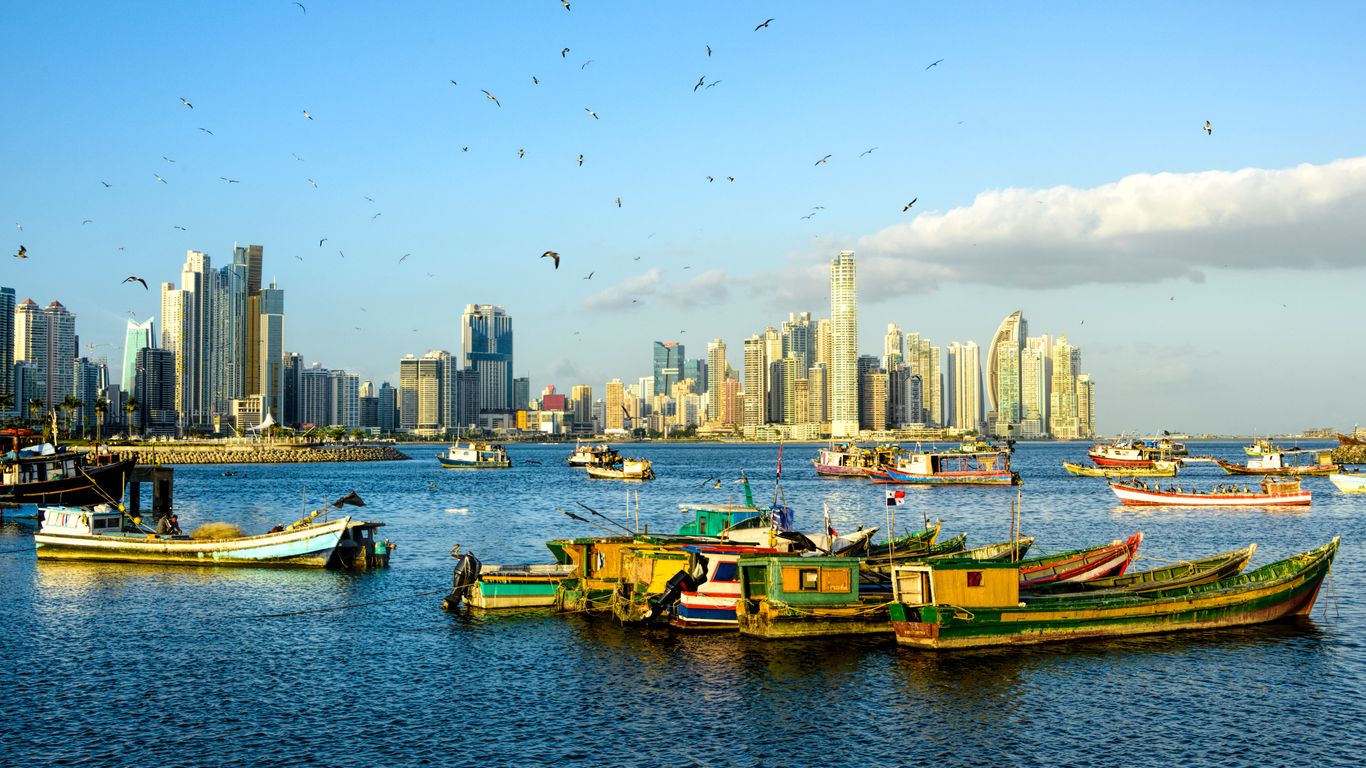
Panama City is often the first point of contact with the country — but it rarely feels like a transition.
Set between the Pacific Ocean and the entrance to the canal, the city moves at a pace defined by contrast. Glass towers rise along the waterfront, while just minutes away, older districts hold a different rhythm — one shaped by history, architecture, and everyday life unfolding at street level.
What makes Panama City distinct is not only its skyline, but how closely different layers of the city exist together.
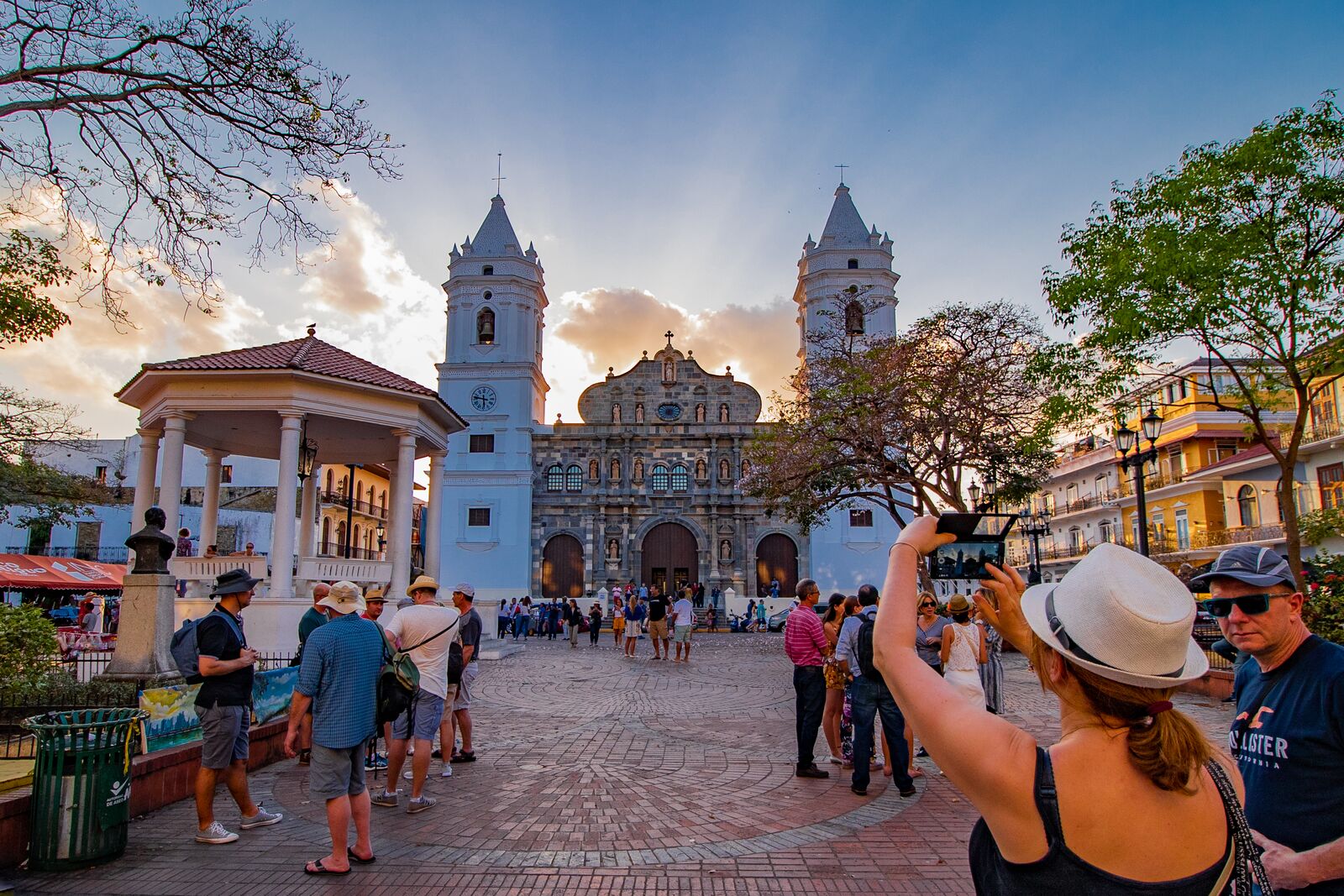
In a single day, it is possible to move from elevated views overlooking the bay to walking through restored colonial streets, and then into green spaces where the urban environment begins to dissolve into rainforest. This proximity creates a sense of continuity — where the city feels connected rather than segmented.
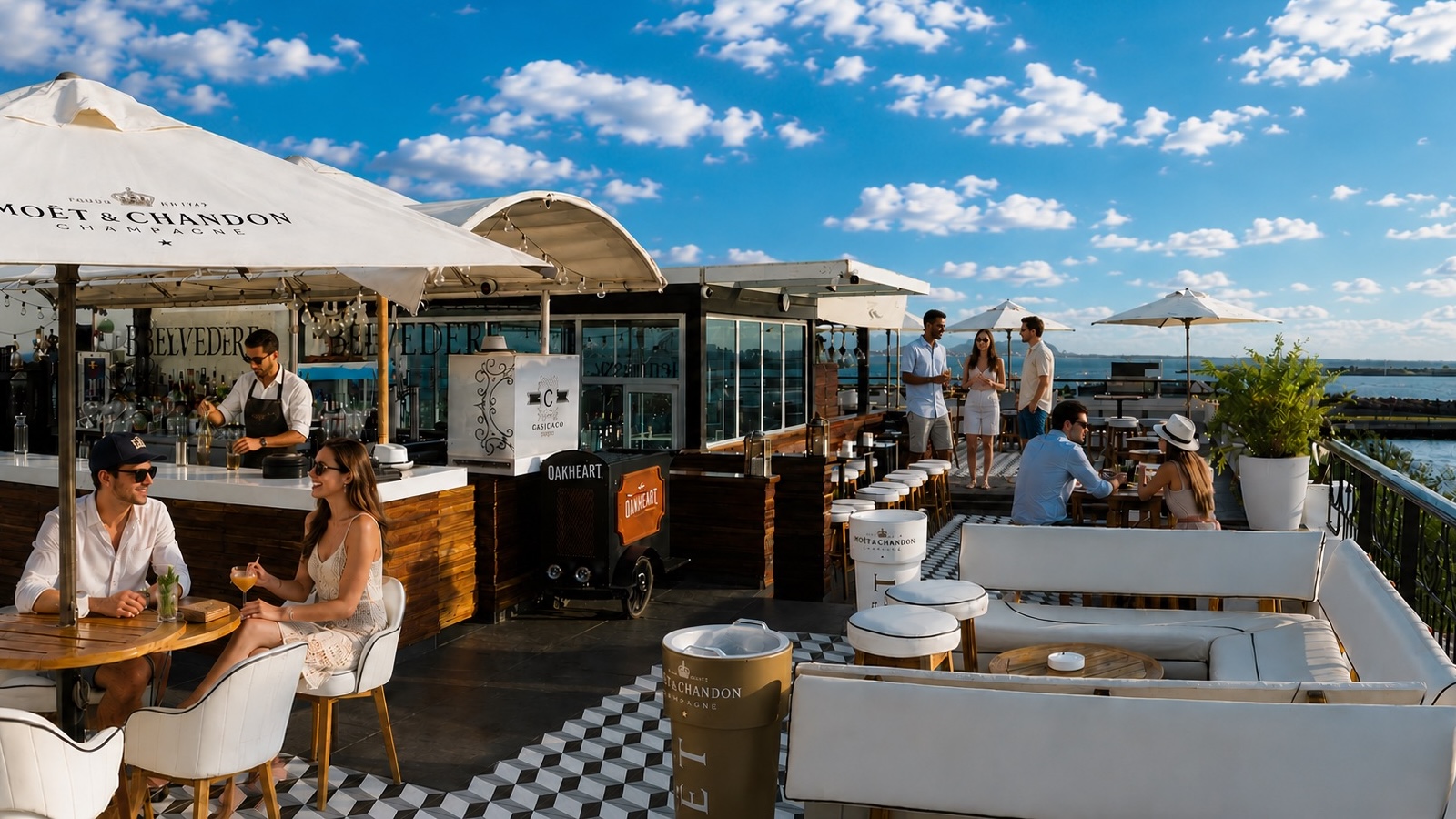
Mornings may begin with light moving across the skyline, followed by time spent exploring cultural areas, and later transitioning into a more social rhythm shaped by restaurants and gathering spaces. The experience adapts easily, allowing for both structured exploration and unplanned moments — something that becomes clearer when considering what to do in the city or how different areas connect within a broader route.
The city’s culinary scene reflects its position as a meeting point — where local ingredients intersect with international influences. From more refined dining environments to casual spaces shaped by local traditions, gastronomy becomes part of how the city is understood.
Within a relatively short distance, the landscape begins to change — opening access to areas where nature takes over. Regions connected to Panama Canal or the nearby rainforest environments offer a different perspective, where the scale and density of the city give way to something more expansive and slower.
Panama City is best understood as a point of connection — where urban life, history, and nature intersect within a single setting.
Because of this, it often serves as both the beginning and the anchor of a larger journey.
Time in the city allows for orientation — understanding the country’s pace, its contrasts, and how different regions relate to one another. From there, itineraries typically extend outward, connecting with coastal areas, highland regions, or more remote environments, depending on the direction of travel.
Even within a short stay, the city reveals multiple dimensions.
Not through a single landmark, but through the way different elements come together — gradually, and often without needing to be defined.

Tell us how you’d like to experience it — we’ll shape the rest from there.