Exploring the country’s islands, coastlines, and open waters through a connected journey.
![[background image] image of a serene landscape (for a ai healthcare company)](https://cdn.prod.website-files.com/69f888757affd92335e4090d/6a01eebe7a634b1fdf6020ae_islandhoping.trulypanama.webp)
Panama is defined as much by its coastline as by its land.
With access to both the Pacific Ocean and the Caribbean Sea, the country offers a range of marine environments that differ not only in geography, but in rhythm, color, and atmosphere.
Experiencing these regions is rarely about staying in a single place.
It is about moving between them.
Island hopping in Panama is defined by the contrast between regions and the continuity created through movement across them.
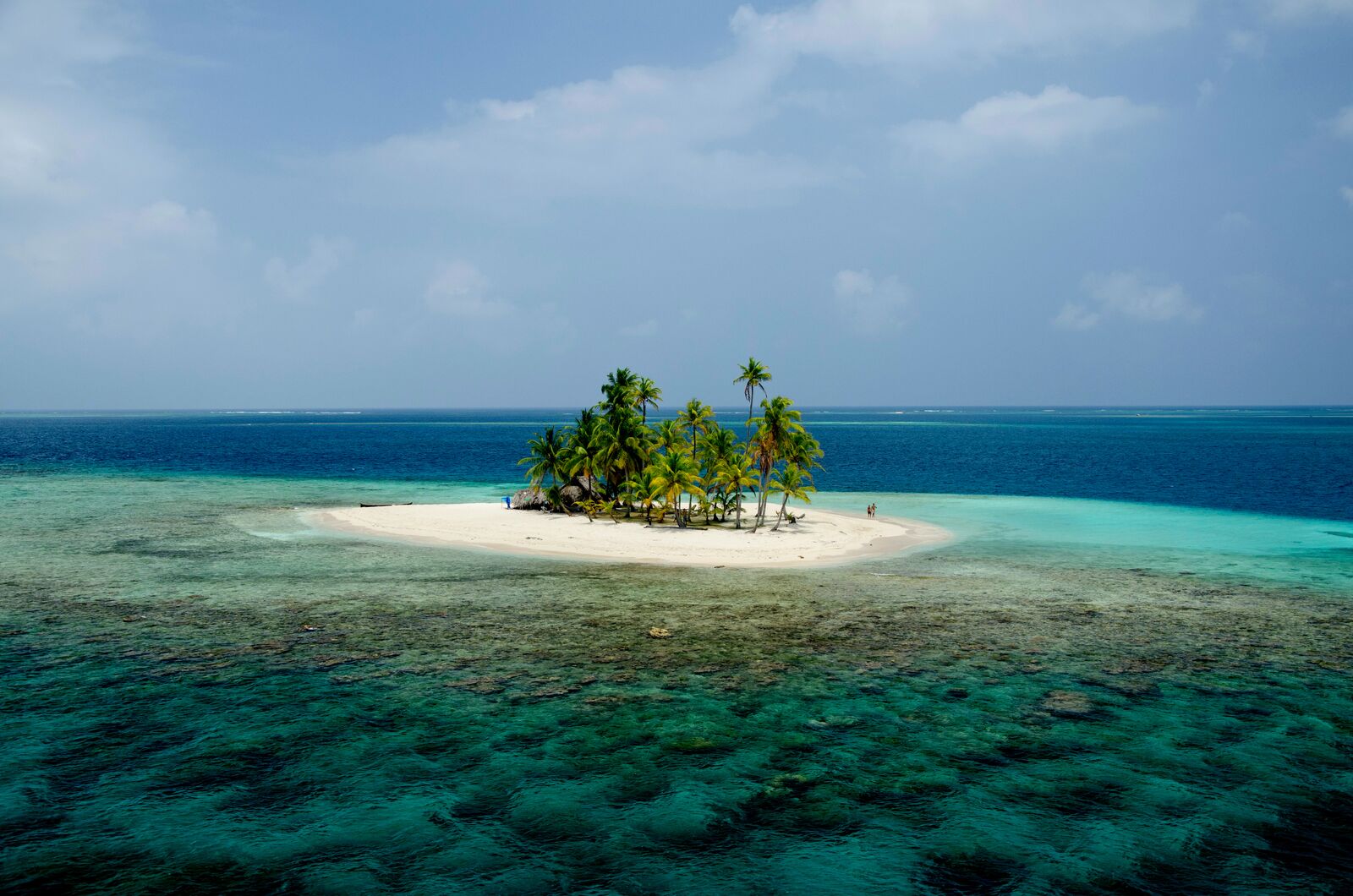
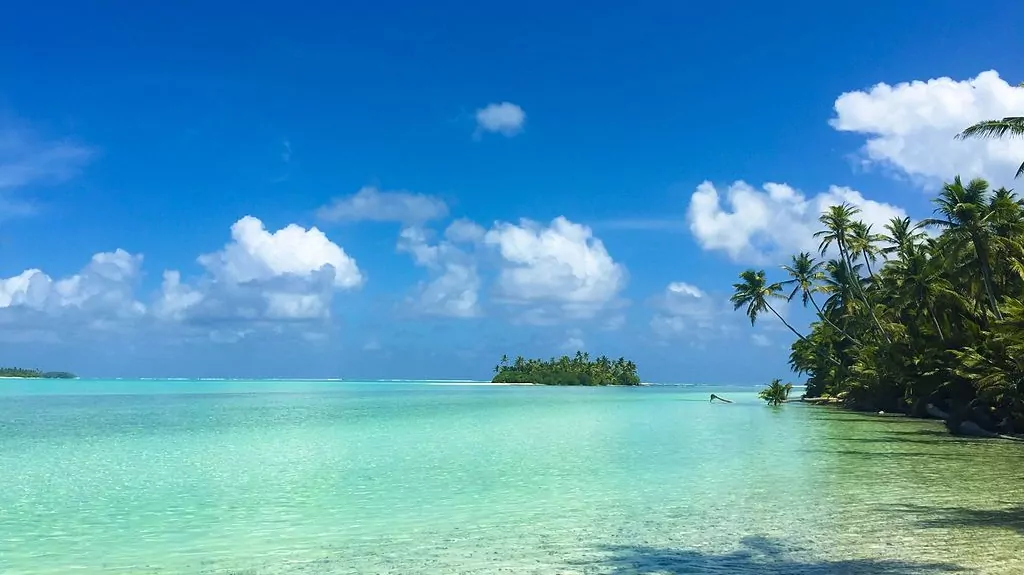
Along the Caribbean, the San Blas Islands stretch across clear, shallow waters, where distances between islands are short and navigation becomes part of the day. The landscape feels open and minimal — sand, water, and sky — with each stop offering a slightly different variation of the same setting.
Further west, destinations like Bocas del Toro introduce a more layered environment.
Here, island hopping takes on a different character — moving between mangroves, beaches, and small communities, with routes that shift depending on weather, tide, and intention. The experience becomes less linear, more fluid, shaped by both geography and timing.
On the Pacific side, the scale changes.
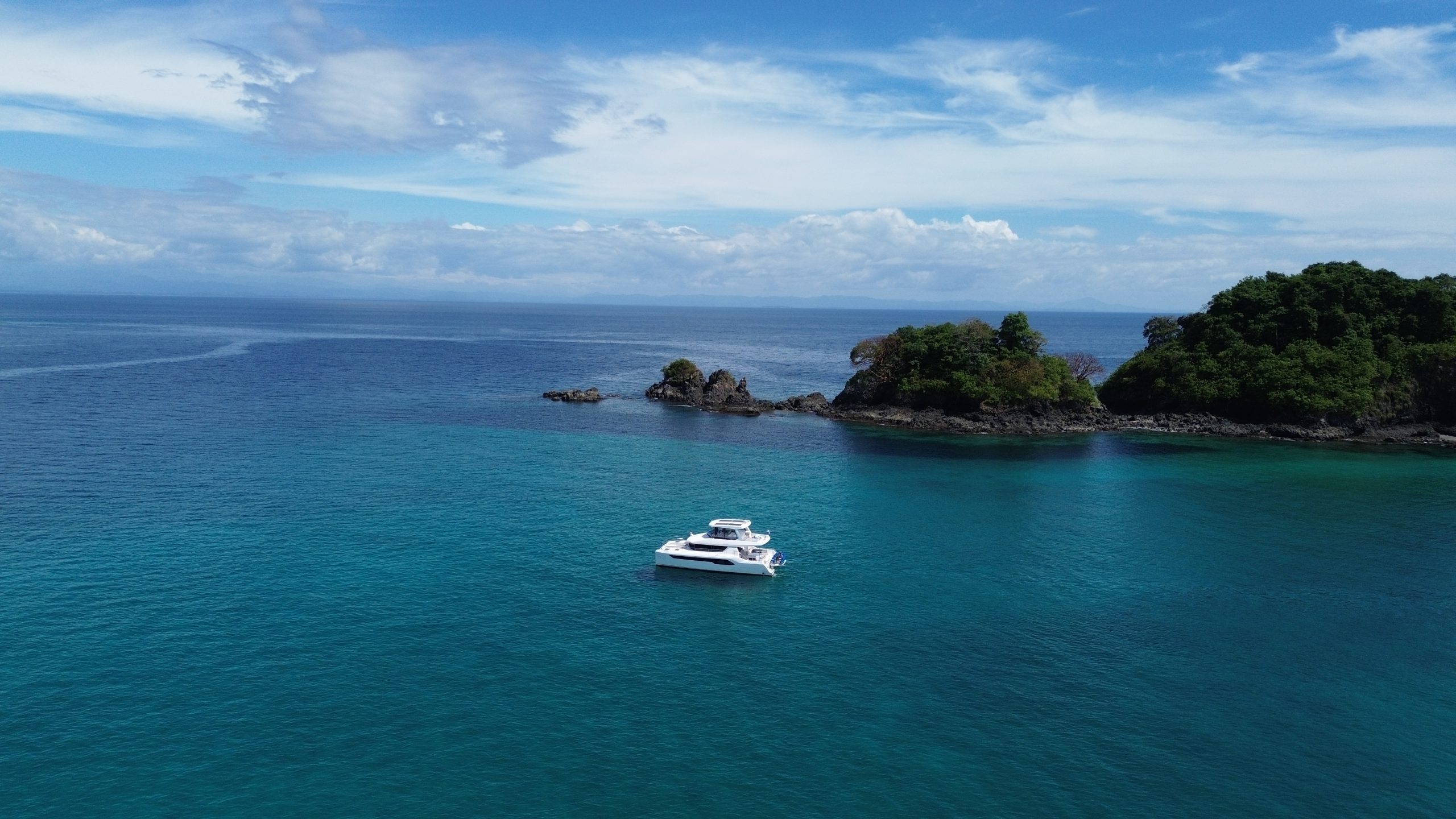
In areas such as the Gulf of Chiriquí and around Coiba Island, distances between islands are greater, and the environment feels more expansive. Navigation requires a different level of planning, with routes often combining longer crossings and more remote anchor points.
What connects these experiences is not only location, but movement.
Each day unfolds through transitions — from one island to another, from open water into protected bays, from activity into stillness. The pace is shaped by conditions rather than schedules, allowing the journey to adapt naturally.
These routes often intersect with other aspects of travel.
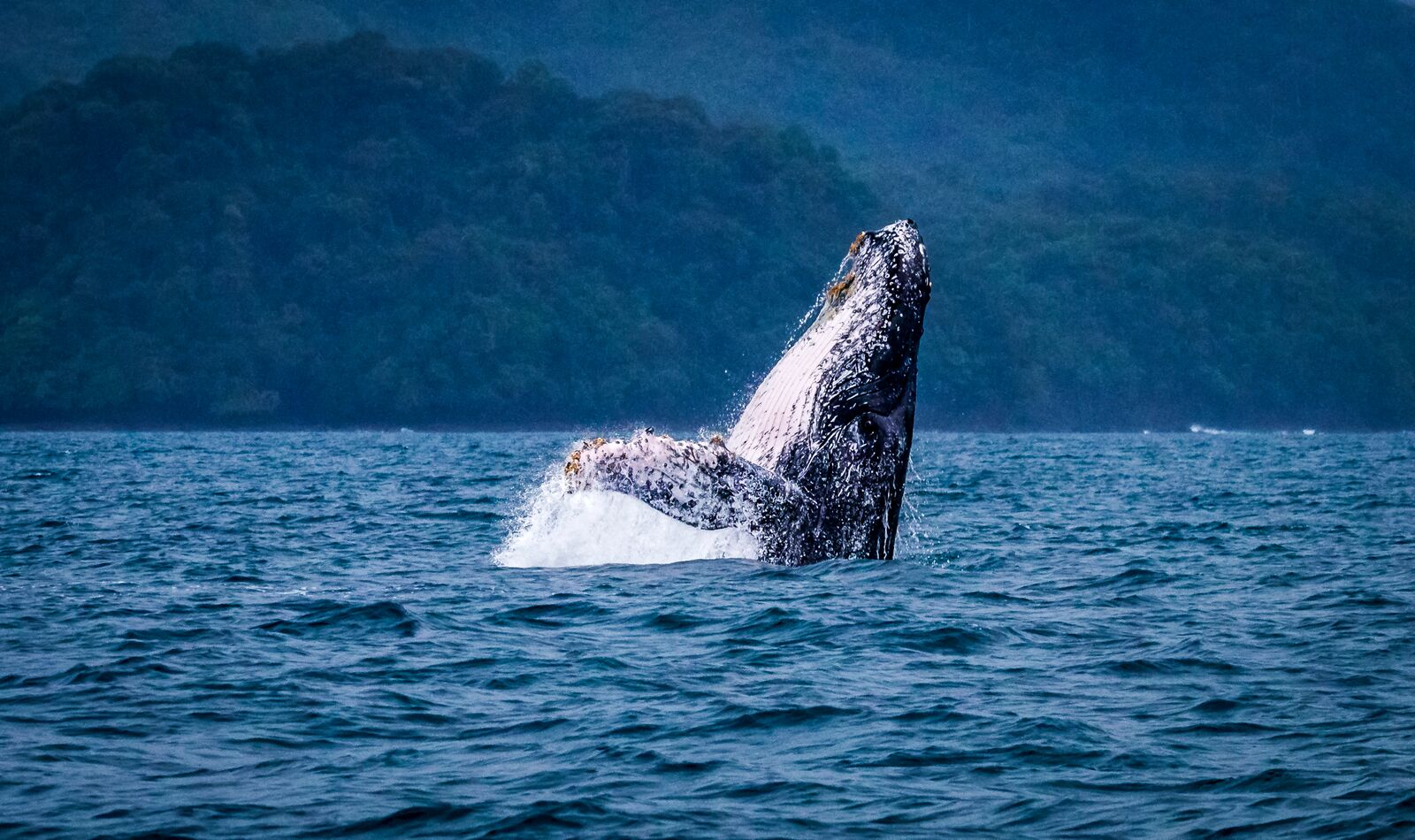
Marine exploration may include wildlife observation, time in remote coastal areas, or more relaxed moments in carefully selected stays. In many itineraries, island hopping becomes one layer within a broader journey — connecting with inland regions or other experiences without losing its sense of openness.
Experiencing Panama’s coastline is not about reaching a single destination. It is about understanding how each place connects to the next — and how the journey unfolds in between.
Tell us how you’d like to move — we’ll design the route around it.


.jpg)