There is no single “best” time to visit Panama.
The country changes throughout the year — not only in weather, but in atmosphere, movement, wildlife activity, marine conditions, and the way different regions are experienced.
This is part of what makes planning travel here more nuanced.
The ideal season depends less on chasing perfect weather and more on understanding what kind of journey you want to have.
For some travelers, the priority is island movement and calm seas.
For others, it is wildlife activity, rainforest atmosphere, cultural immersion, or slower wellness-focused travel.
Panama rewards travelers who approach timing intentionally.
The best time to visit Panama is rarely about avoiding weather entirely — it is about choosing the conditions that best match the experience you want to have.
The Dry Season & Easier Movement
The driest months — generally between December and April — are often the easiest period for broader multi-region travel.
During this time, conditions tend to support smoother movement between destinations, especially for marine routes and island-based experiences.
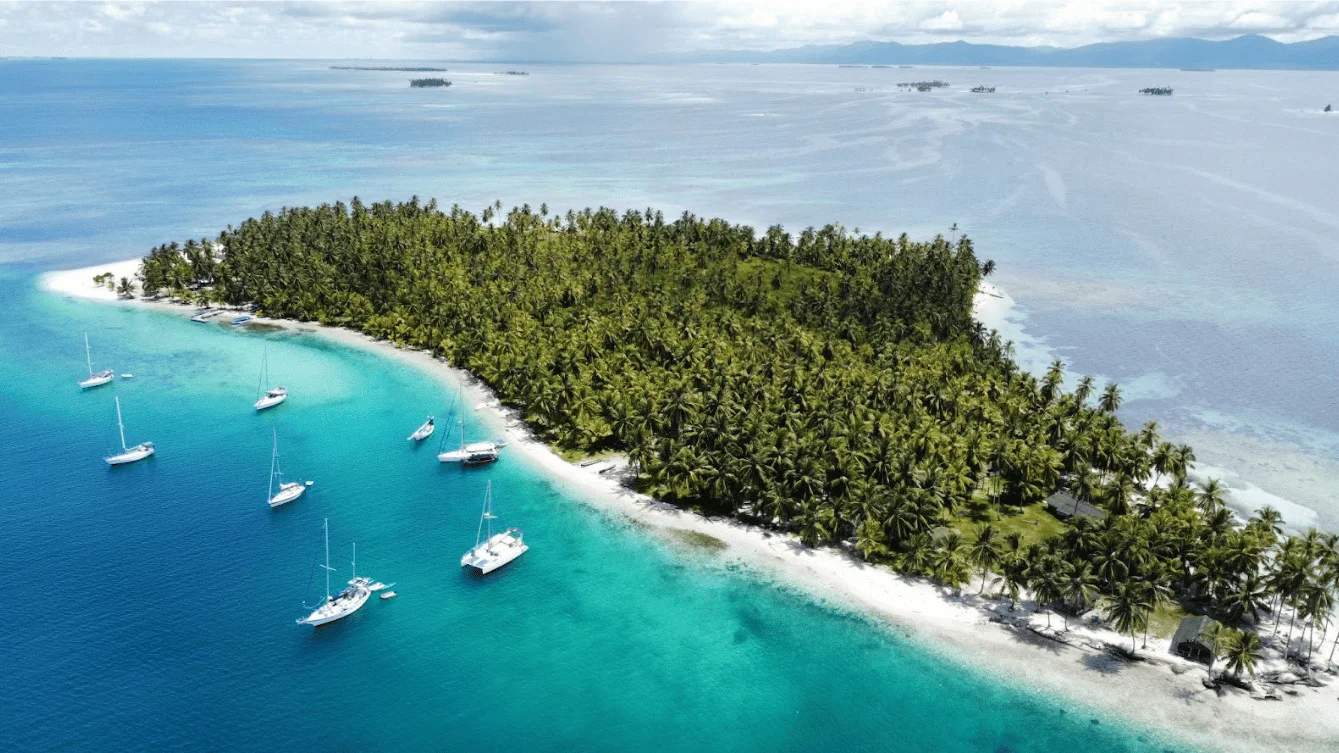
Travelers exploring the San Blas Islands, Bocas del Toro, or the Pacific coast around the Gulf of Chiriquí often prioritize this period because sea conditions can feel calmer and transitions more predictable.
This season also aligns naturally with more active itineraries — combining city, coast, and nature within the same route, as seen in journeys such as 5-Day Luxury Panama Itinerary or Panama Couples Itinerary.
At the same time, it is often the most requested travel window.
This makes thoughtful planning especially important for travelers prioritizing privacy, curated stays, and more seamless access.
The Green Season & A More Atmospheric Panama
The rainy season — often referred to locally as the green season — transforms the country differently.
Rainforest environments become denser, rivers fuller, and landscapes more vibrant overall.
Rain rarely means constant disruption.
In many regions, conditions shift throughout the day rather than remaining fully overcast, creating a rhythm that feels dynamic rather than limiting.
For travelers interested in slower journeys, wellness-focused experiences, wildlife observation, or more atmospheric nature travel, this period can feel especially compelling.
Places such as Boquete, El Valle de Antón, and rainforest regions connected to Chagres often become even more immersive during these months.
This season also tends to align naturally with quieter forms of travel associated with quiet luxury — where atmosphere, pace, and connection to the environment become more important than perfectly predictable conditions.
Different Regions Move Differently Throughout the Year
Another important aspect of Panama is that conditions vary significantly between regions.
The Caribbean side behaves differently from the Pacific.
Mountain climates shift differently than coastal environments.
Marine conditions change depending on migration patterns, currents, and visibility.
This is particularly important for experiences such as fishing expeditions, marine exploration around Coiba Island, wildlife observation, or journeys that depend heavily on boat movement and access.
Timing also shapes how destinations feel emotionally.
Some periods feel more social and energetic.
Others feel quieter, slower, and more private.
This is why the best itineraries are rarely designed only around weather.
They are designed around rhythm, intention, and the type of experience the traveler is looking for overall.
The best season to experience Panama is ultimately the one that aligns most naturally with how you want the journey to feel.