A dense natural environment shaped by rivers, communities, and proximity.
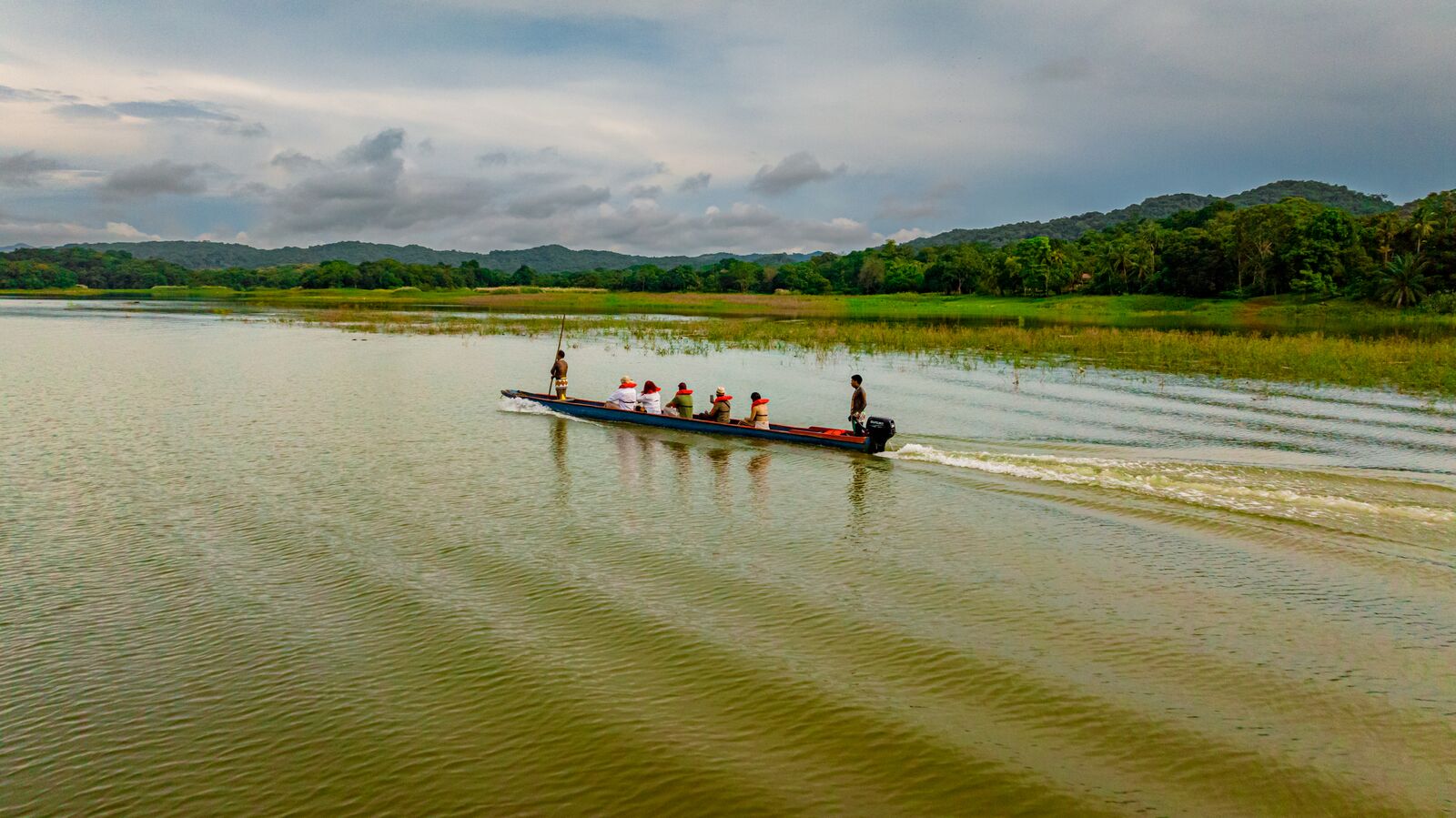
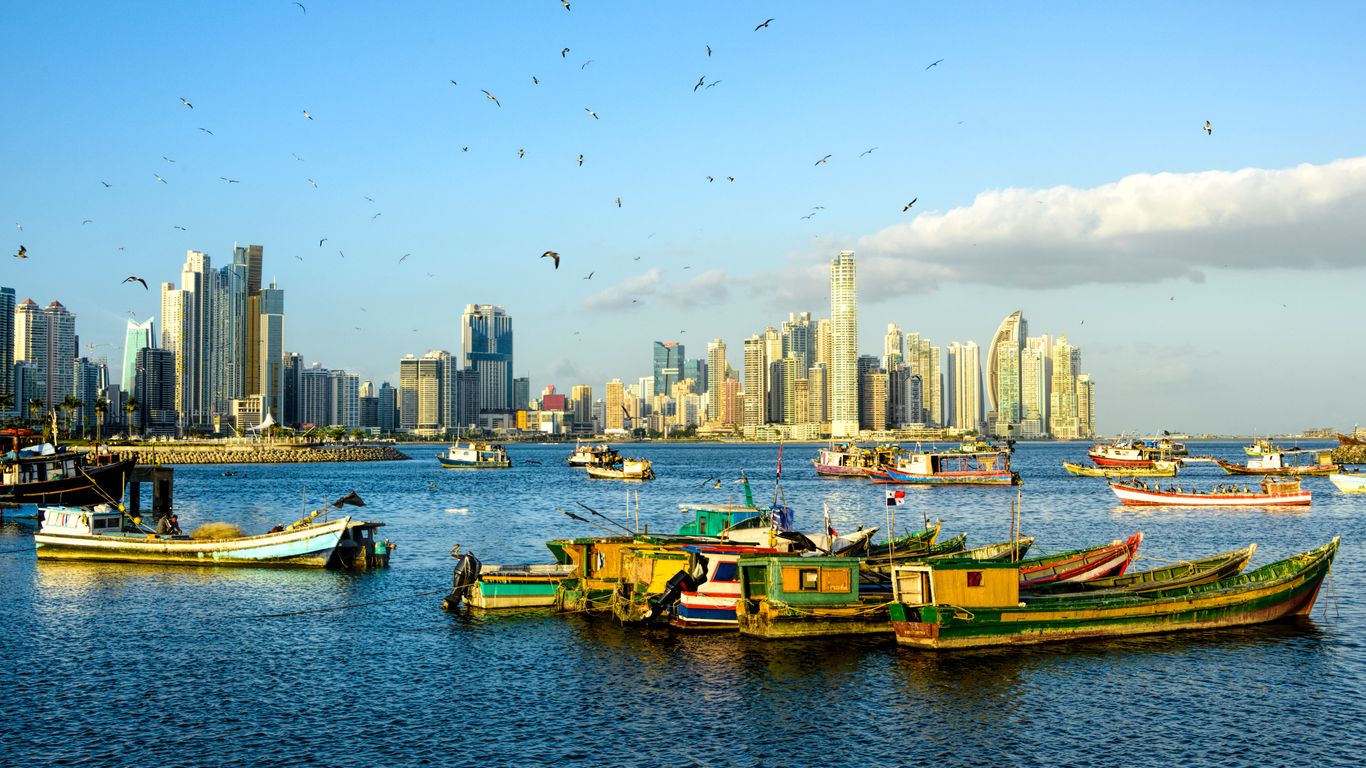
Just beyond the urban edge of Panama City, Chagres begins almost without transition.
The shift is immediate.
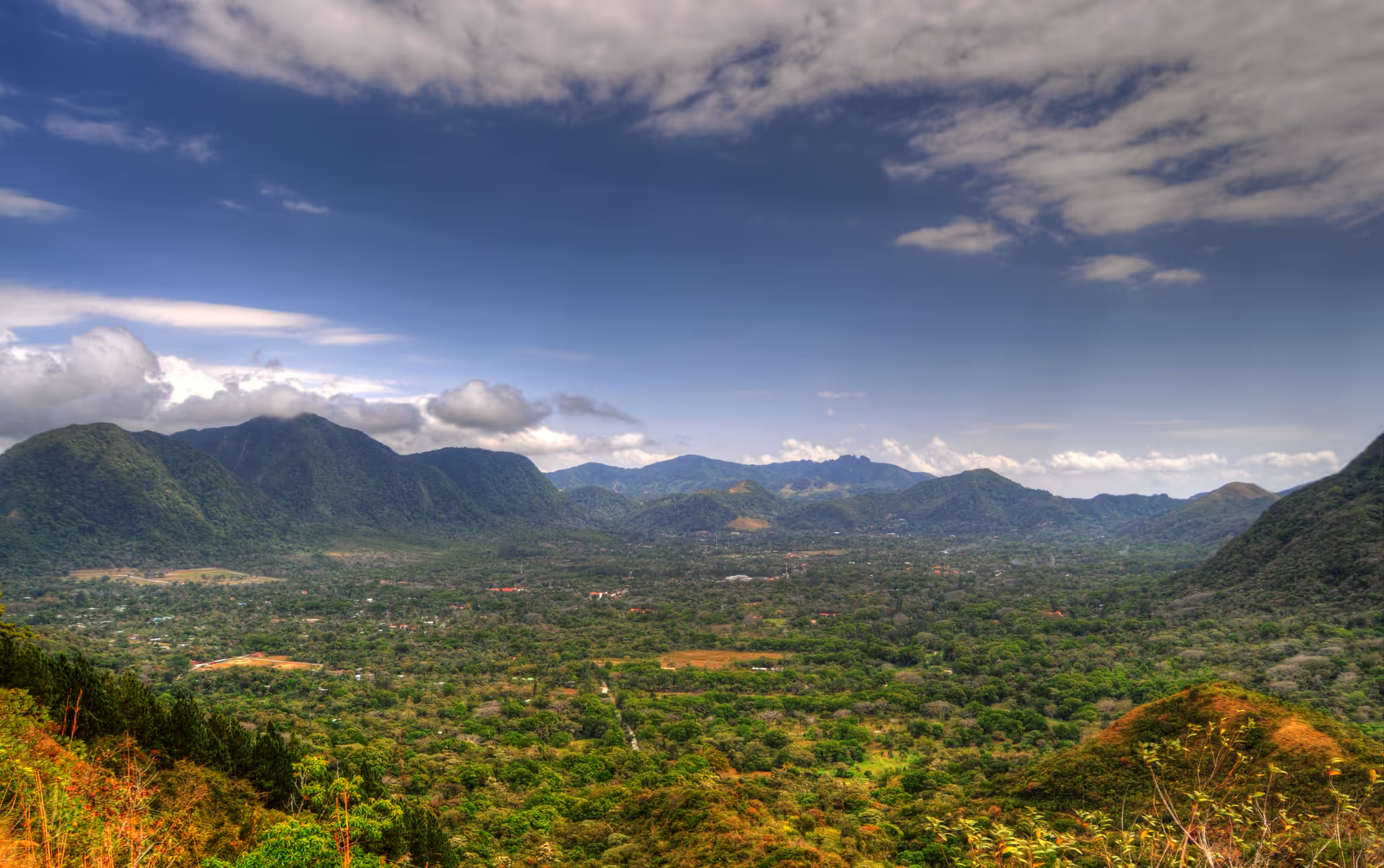
Roads give way to dense vegetation, and the sound of the city fades into the presence of water, wind, and forest. The landscape feels continuous — a stretch of rainforest shaped by rivers that move through it rather than around it.
What defines Chagres is this proximity.
It is not remote in distance, but it feels removed in experience. Within a relatively short time, the environment changes completely, allowing for a different pace without requiring a full relocation.
Chagres is defined by its immediacy — where rainforest, river, and culture exist within close reach, yet feel distinctly separate from the city.
Movement here often follows natural paths.
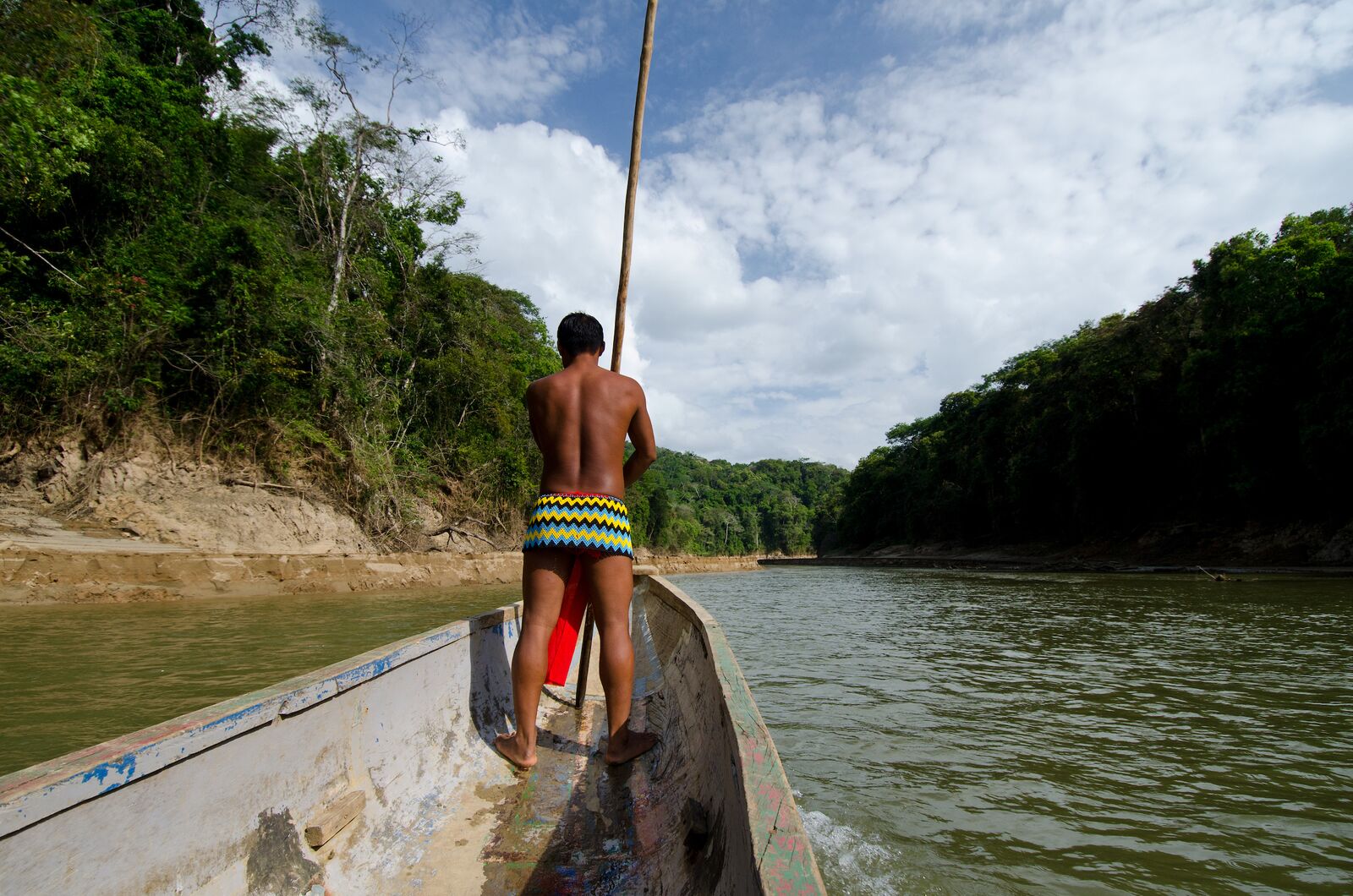
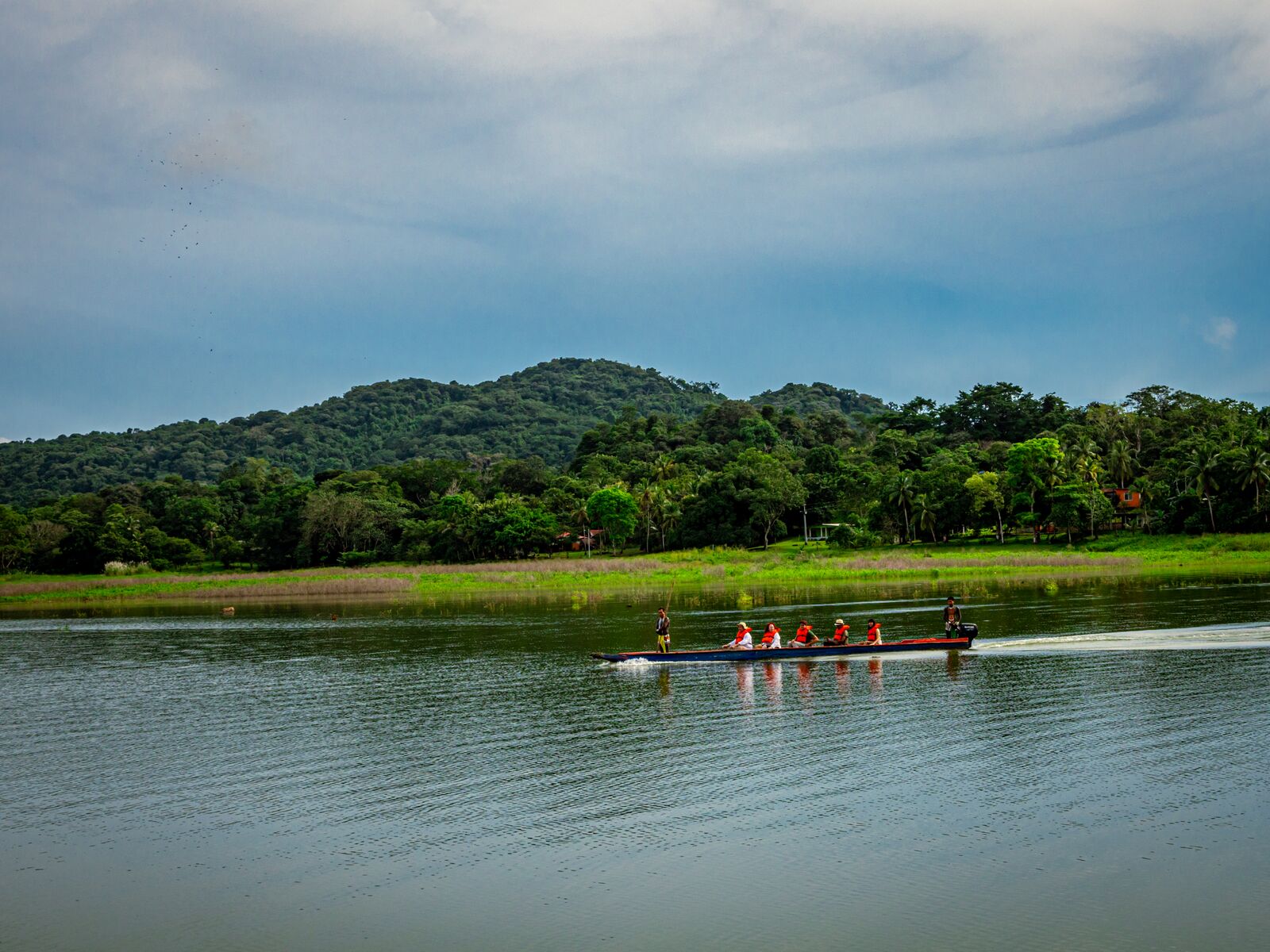
Rivers become routes, and access depends less on infrastructure and more on understanding how the landscape works. Small boats move along narrow waterways, connecting points that are not always visible from above. The experience unfolds gradually, shaped by the rhythm of the water and the density of the forest.
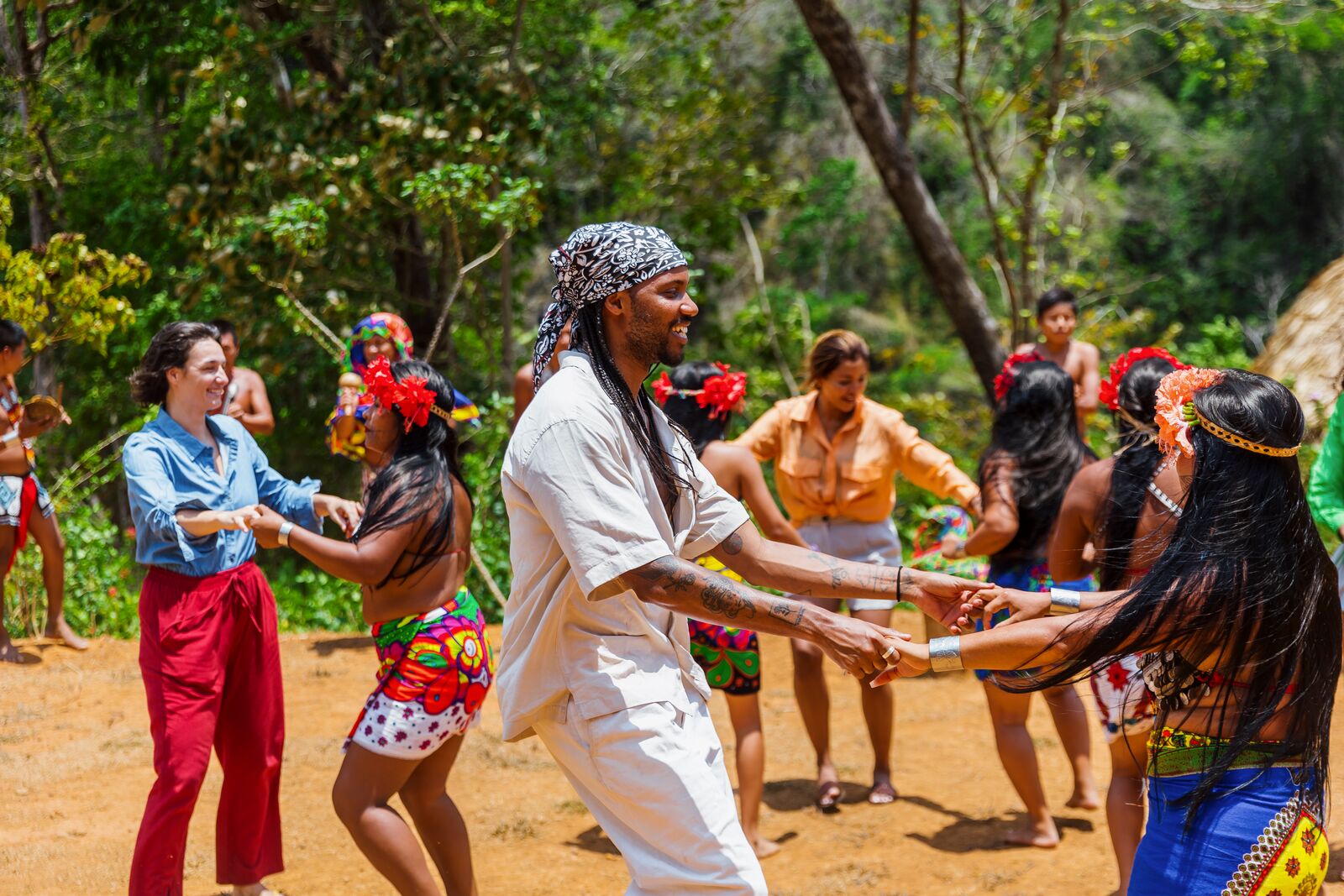
This setting is closely tied to cultural encounters.
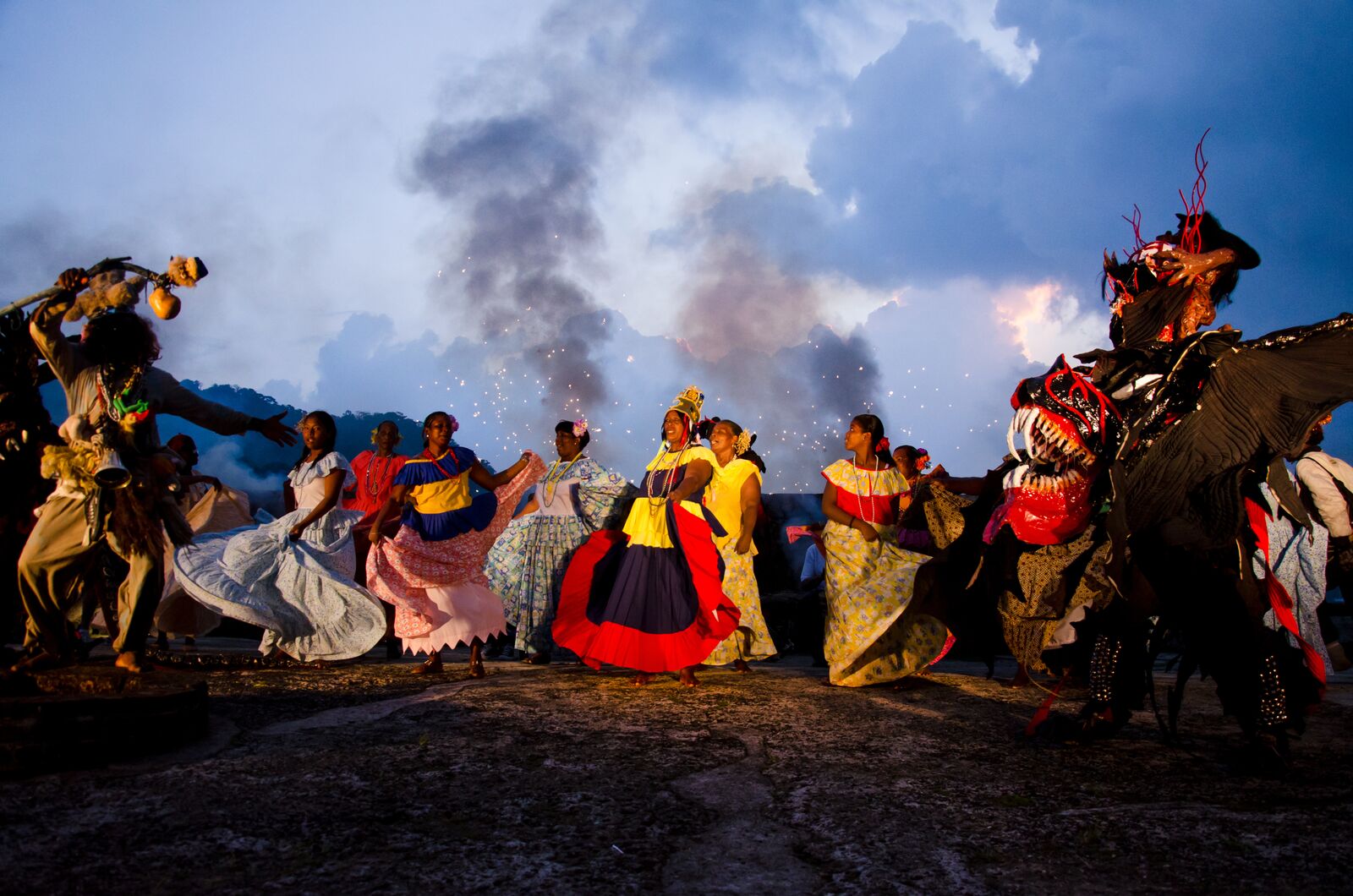
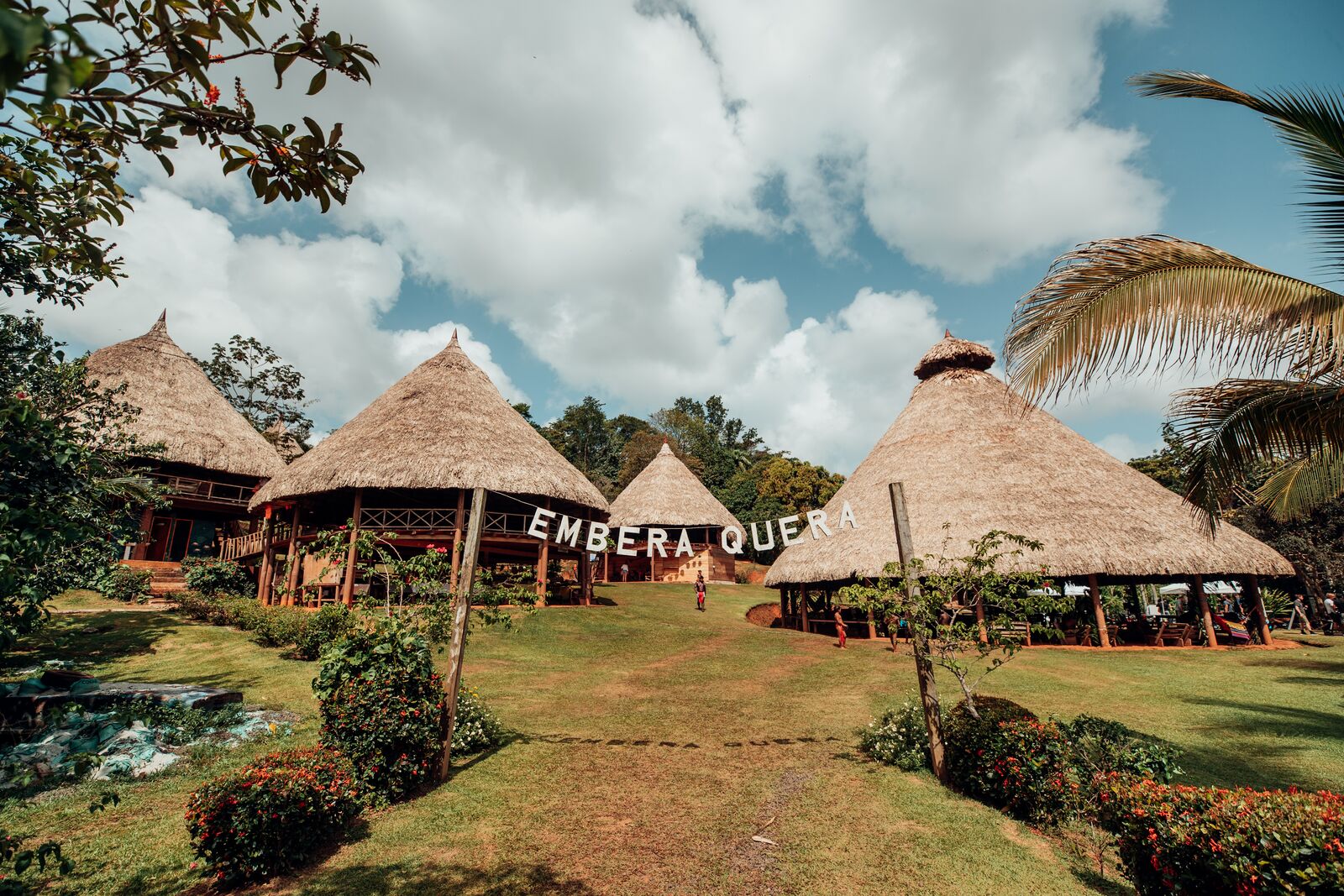
Indigenous communities within the region maintain traditions that remain connected to the land, and time spent here often involves more than observation — it requires a level of awareness and context.
At the same time, Chagres supports a strong presence of wildlife.
The density of the rainforest allows for encounters that feel immediate but unpredictable — birdlife moving through the canopy, subtle movement along riverbanks, and an environment that remains active even when still.
These elements naturally align with wildlife and birdwatching experiences, where timing and local knowledge shape what can be seen.
Despite its accessibility, Chagres does not feel structured.
There are few defined points of focus, and the experience is shaped more by movement through the environment than by arriving at a specific location. This quality makes it a natural complement to broader itineraries, especially those that combine urban and natural elements within a short timeframe.
For some travelers, it becomes a short extension.
For others, it offers a deeper way of engaging with the country’s natural and cultural systems without needing to move far beyond the capital.
In both cases, the experience is shaped less by distance, and more by how quickly the environment changes.
Some landscapes require distance to feel removed. Chagres changes the experience within reach of the city.
Tell us how you’d like to experience it — we’ll shape the route, pace, and level of immersion around your journey.