
Panama is often associated with accessibility.
A compact country where travelers can move quickly between city, mountains, coast, and rainforest.
But beyond its more familiar routes lies another side of the country — one shaped by isolation, distance, and environments that require a more deliberate approach.
What makes remote Panama compelling is not simply how far these places are.
It is how different they feel from everything around them.
Some are defined by ocean crossings.
Others by dense rainforest, river access, or cultural autonomy.
Together, they reveal a version of Panama that remains far less expected.
The most remote places in Panama are not defined by a single kind of isolation — they each create distance in entirely different ways.
Pacific Isolation: Islands & Marine Distance
Some of Panama’s most dramatic remoteness exists offshore.
Coiba Island represents one of the clearest examples — a protected Pacific environment where access is controlled, infrastructure is minimal, and the surrounding marine ecosystem remains largely uninterrupted.
Nearby, the Gulf of Chiriquí offers a broader version of the same idea.
Rather than one isolated point, the region unfolds through dispersed islands, long crossings, and coastal environments where movement itself becomes central to the experience.
These destinations naturally align with island hopping and marine experiences, wildlife exploration, and more expedition-style travel.
But their defining quality remains the same.
Access changes everything.
Rainforest & Interior Exploration
Remote travel in Panama is not limited to the sea.
Interior landscapes offer a very different kind of distance.
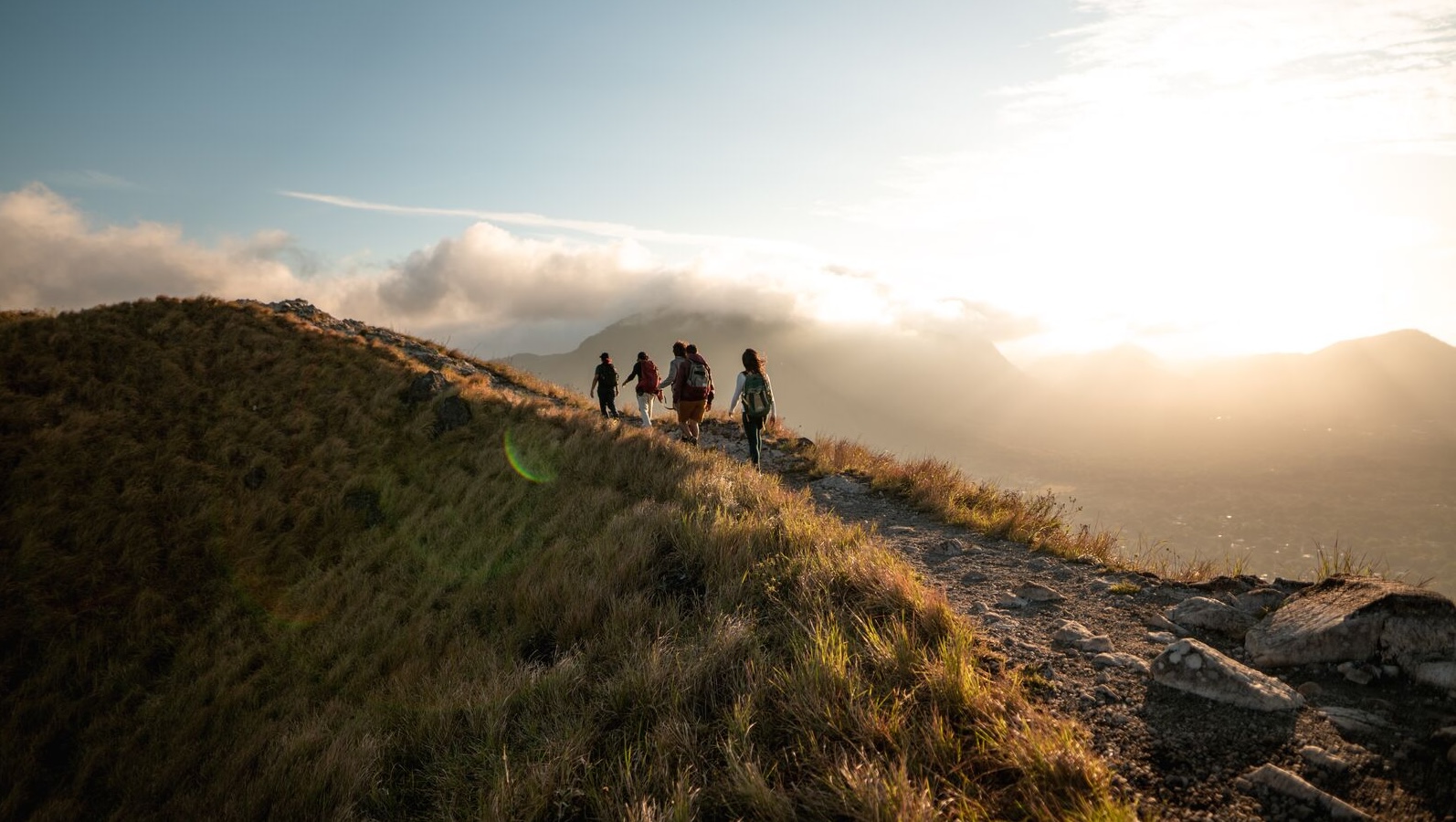
In Veraguas, remoteness is shaped by terrain, changing access conditions, and a lack of clearly structured routes. The experience feels exploratory rather than destination-led.
Meanwhile, Chagres presents an interesting contrast.
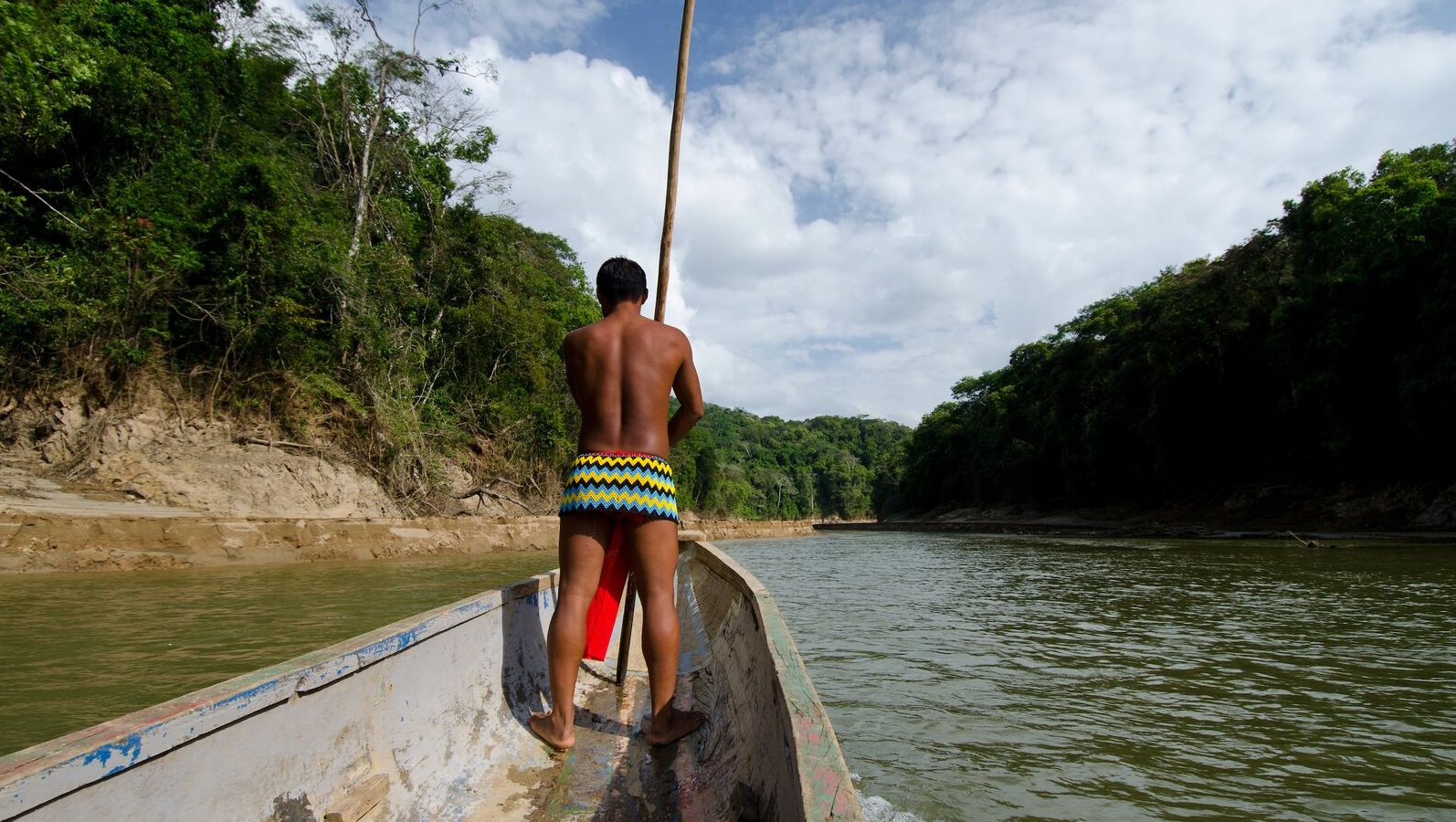
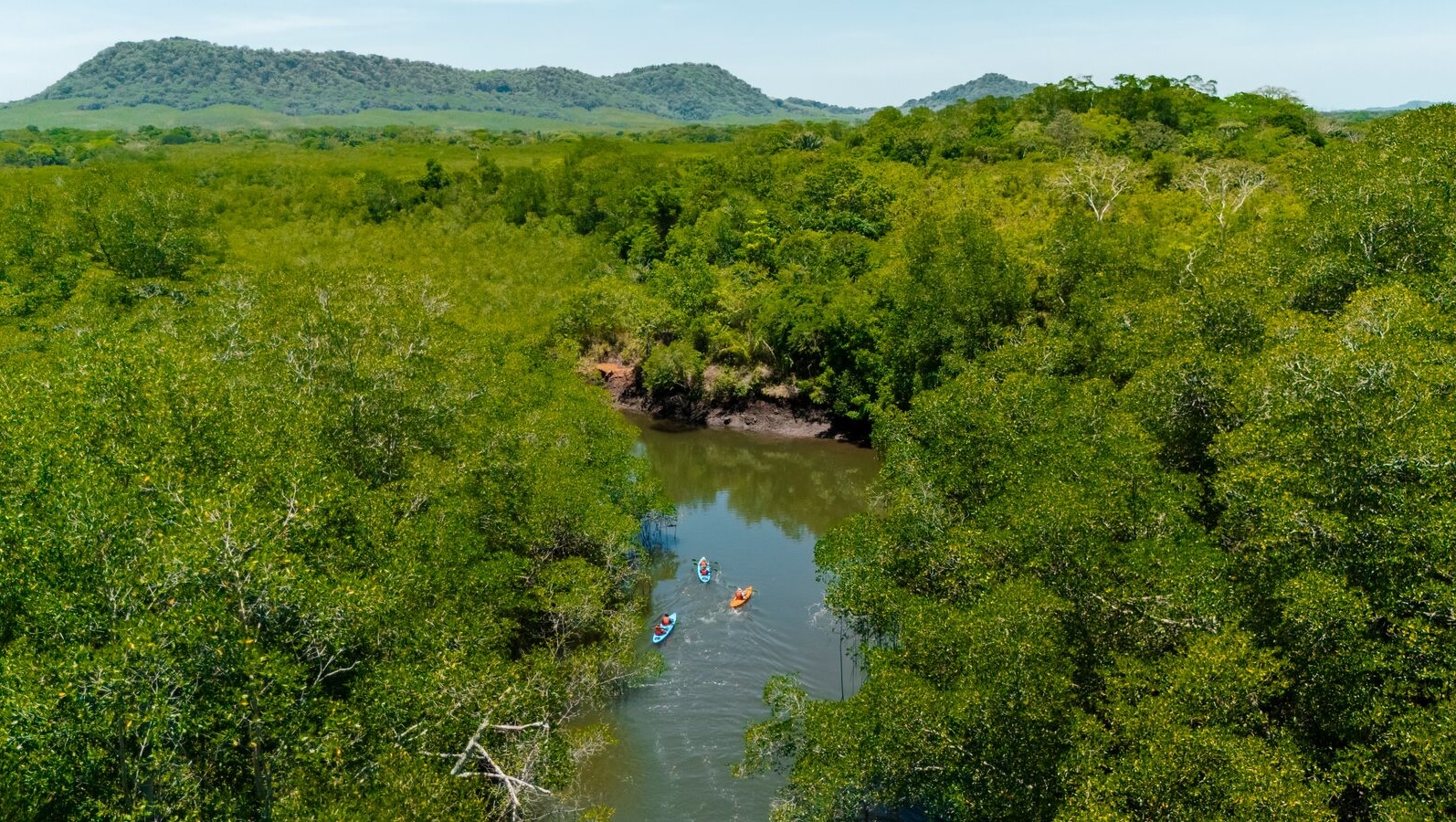
Despite its relative proximity to Panama City, the shift into dense rainforest, river systems, and natural movement patterns creates a powerful sense of separation from the urban environment.
The result is a different kind of remoteness.
Not measured by geography alone.
But by immersion.
Cultural Distance & Places That Operate Differently
Some places feel remote not because they are physically difficult to reach, but because they operate according to entirely different systems.
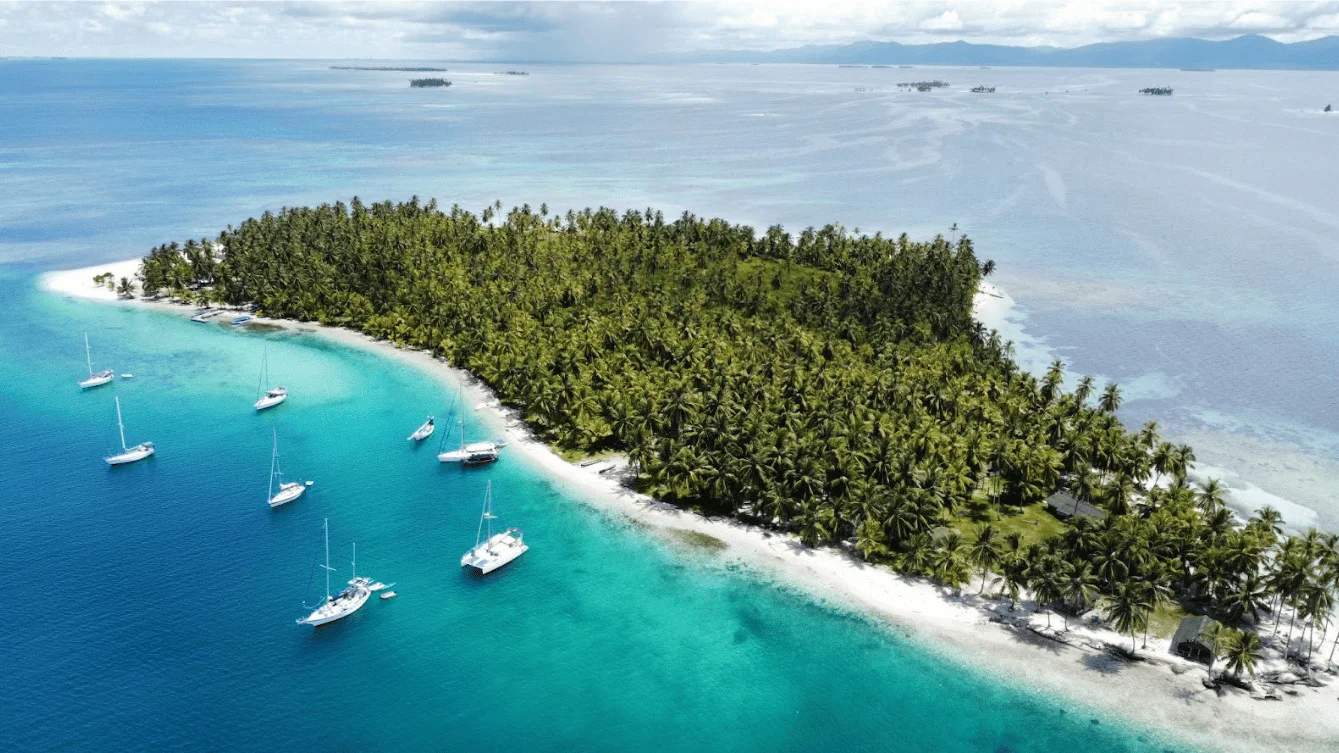
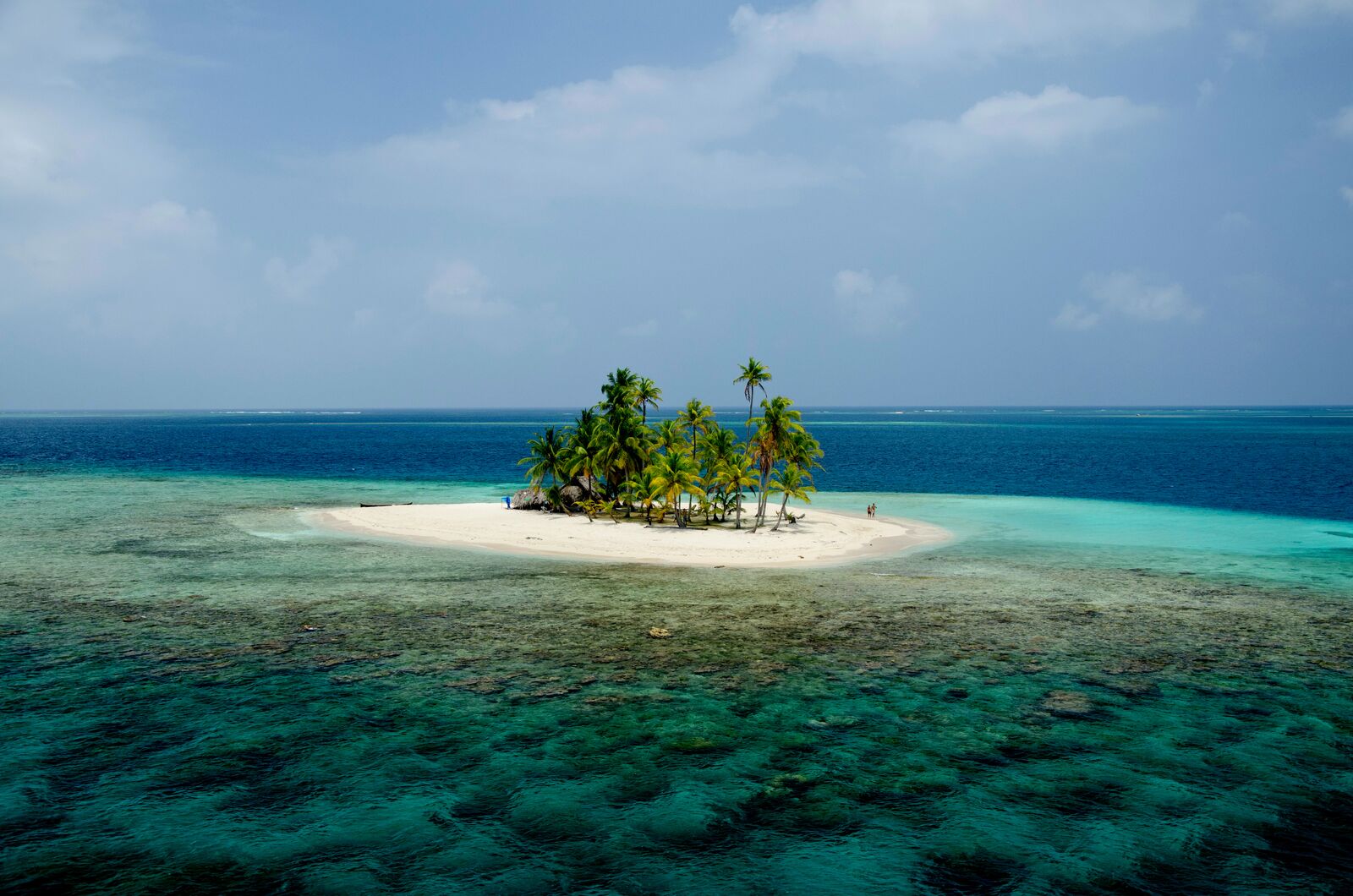
The San Blas Islands are one of Panama’s clearest examples.
Governed by the Guna communities, the region remains intentionally limited in development, preserving a rhythm and structure that feels distinct from conventional tourism.
This creates a form of remoteness shaped as much by autonomy and cultural continuity as by geography.
For travelers, these experiences often overlap with broader cultural journeys, where understanding context becomes just as important as movement itself.
Not all remoteness looks the same.
And that is precisely what makes Panama so compelling.
Remote Panama is not one destination — it is several entirely different ways of leaving the expected behind.