Access to one of the most biodiverse ecosystems in the Americas.
![[background image] image of a serene landscape (for a ai healthcare company)](https://cdn.prod.website-files.com/69f888757affd92335e4090d/6a2bc145b9b3fcc05f3fa22f_wildlife-birdwatching-panama.jpeg)
Panama’s position as a natural bridge between North and South America has shaped one of the most diverse ecosystems in the region.
Within a relatively small territory, the country brings together rainforest, cloud forest, mangroves, and marine environments — each supporting a wide range of species that can be experienced within a single journey.
Wildlife encounters in Panama are shaped by habitat diversity and the ability to move between ecosystems with relative ease.
For wildlife observation, this diversity translates into proximity.
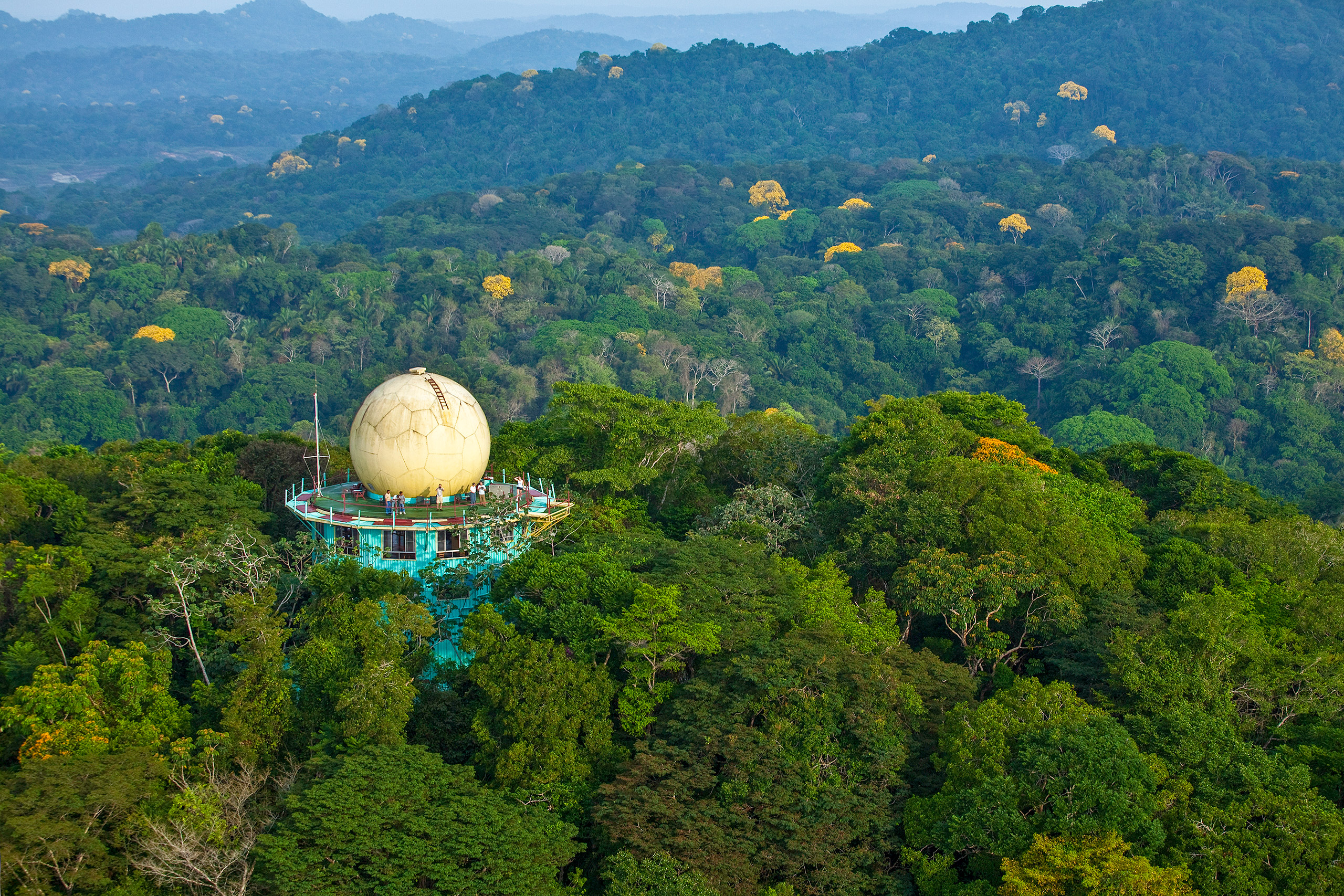
In areas connected to Chagres, dense rainforest environments begin just beyond the city, offering early access to birdlife, mammals, and amphibians without extended travel. Further west, regions like Boquete and the surrounding highlands introduce cloud forest ecosystems, where elevation and climate create a different rhythm of life — particularly for bird species that are more difficult to encounter elsewhere.
Panama is especially recognized for birdwatching.
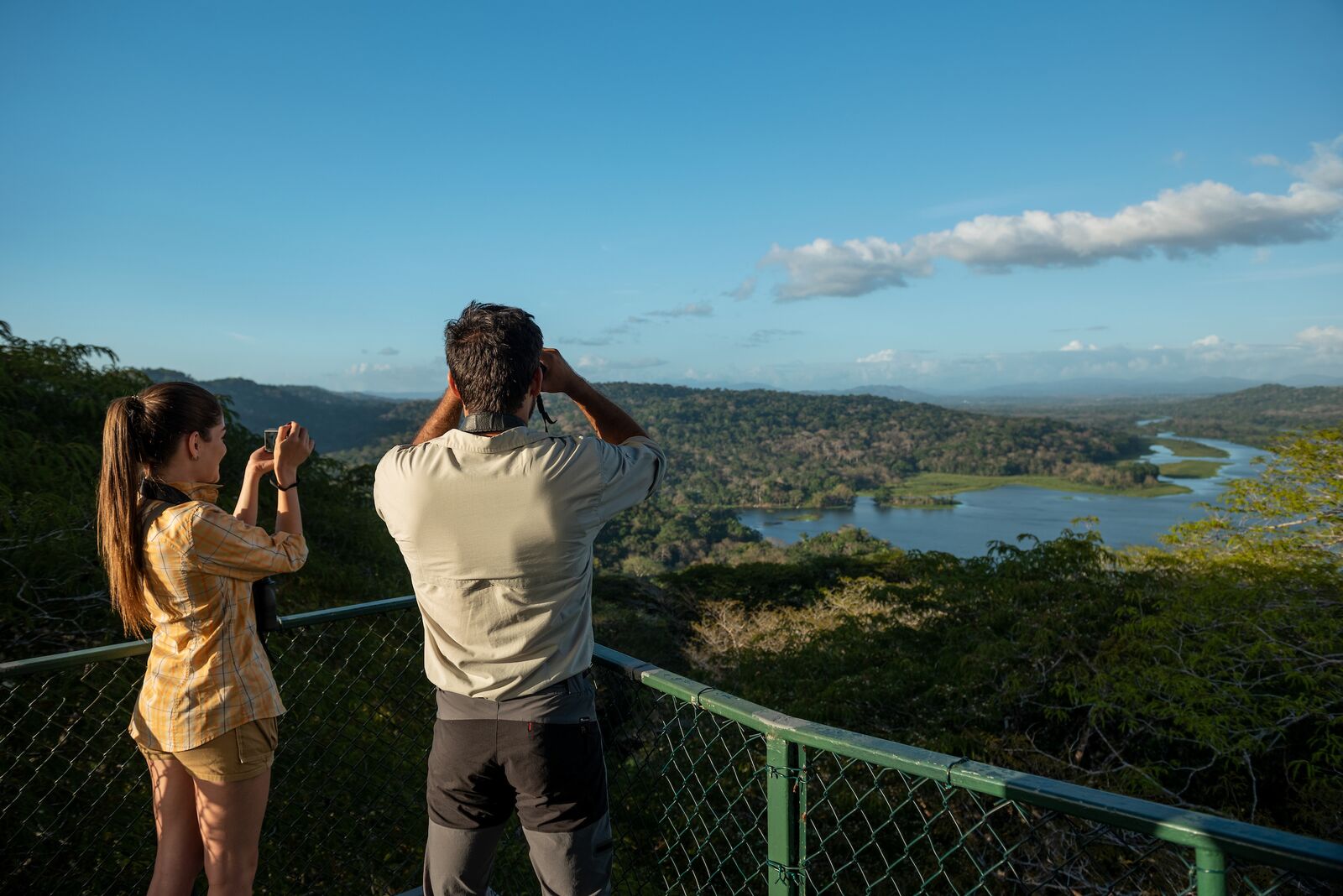
With over 900 recorded species, the country offers one of the highest levels of avian diversity in the Americas. What makes this particularly compelling is not only the number of species, but the ability to move between habitats efficiently — increasing the range of sightings within a relatively short timeframe.
Along the Pacific, areas such as Coiba Island and the Gulf of Chiriquí extend the experience into marine environments.
Here, wildlife observation shifts toward ocean-based encounters — from larger marine species to coastal ecosystems that interact closely with the surrounding islands. These regions are often less trafficked, allowing for a more uninterrupted experience of the environment.
What defines wildlife travel in Panama is not only biodiversity, but accessibility combined with expertise.
Guides play a central role — not simply in identifying species, but in understanding movement patterns, habitats, and the subtle details that would otherwise go unnoticed. Timing, location, and local knowledge all influence what can be seen and how the experience unfolds.
This allows itineraries to combine different types of observation within a single journey — from rainforest birding to coastal exploration, often integrated into broader travel routes that may also include remote regions or more relaxed environments.
The result is not a single type of experience, but a layered understanding of how the country’s natural systems connect — and how they can be experienced in a way that feels both structured and open.
The experience is not only about seeing wildlife, but understanding how each ecosystem connects to the next.
Tell us what you’re looking to experience — we’ll guide you to the right environments.
.jpg)

.jpg)