Meaningful encounters shaped by people, place, and context.
![[background image] image of a serene landscape (for a ai healthcare company)](https://cdn.prod.website-files.com/69f888757affd92335e4090d/6a106cf3f56a8bfa159d78e3_large-Congo%20dance%20at%20Portobelo%20Fort%2C%20Colo%CC%81n%20province.jpg)
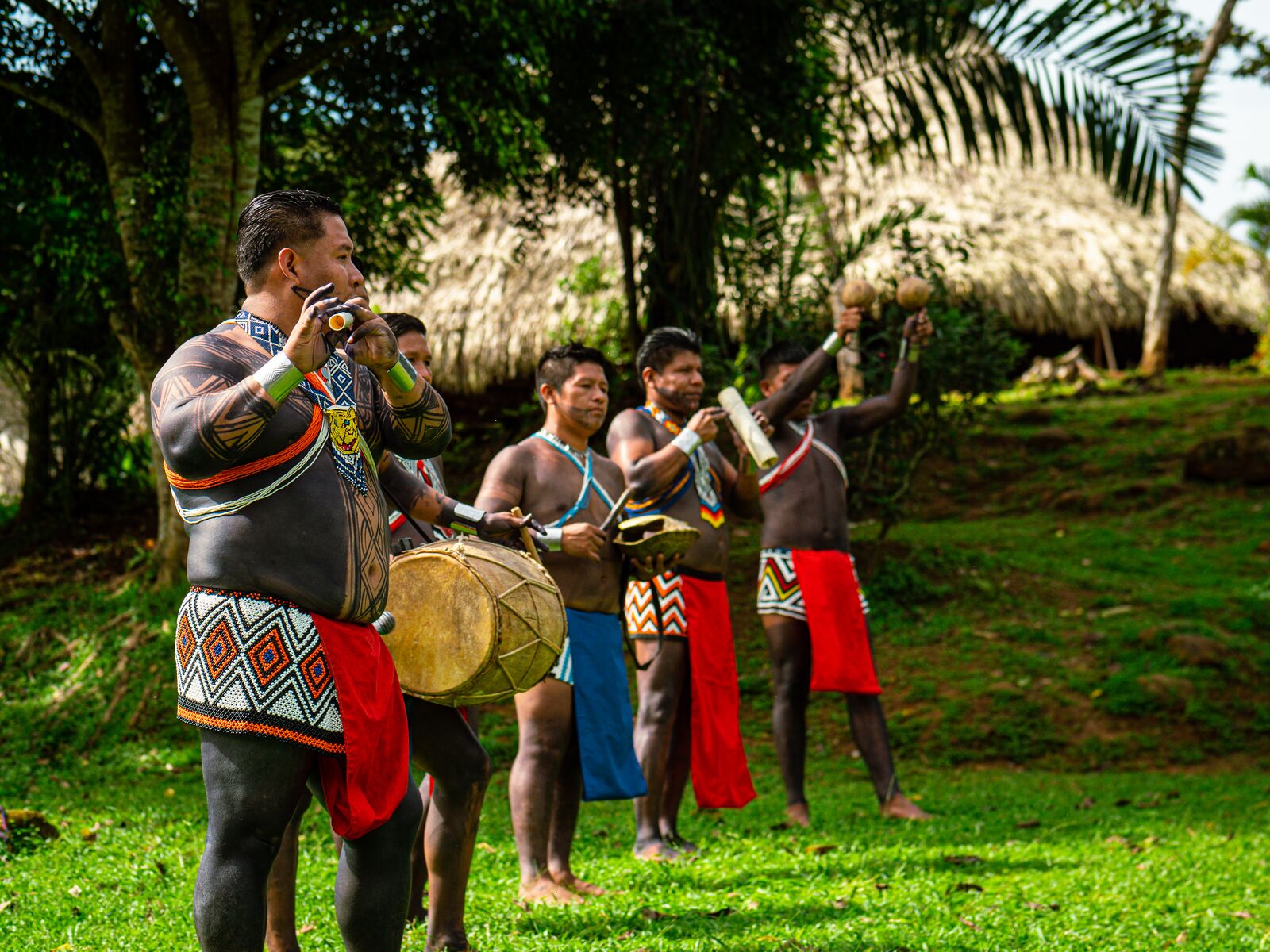
Panama’s cultural identity is layered, diverse, and often misunderstood.
Beyond its role as a global transit point, the country holds a deep network of traditions shaped by indigenous communities, Afro-Caribbean heritage, and centuries of exchange between regions. Experiencing this side of Panama requires more than visiting a place — it requires understanding how to engage with it.
Cultural travel in Panama is not about observation alone. It is about context.
Some of the most meaningful cultural encounters happen outside of expected routes.
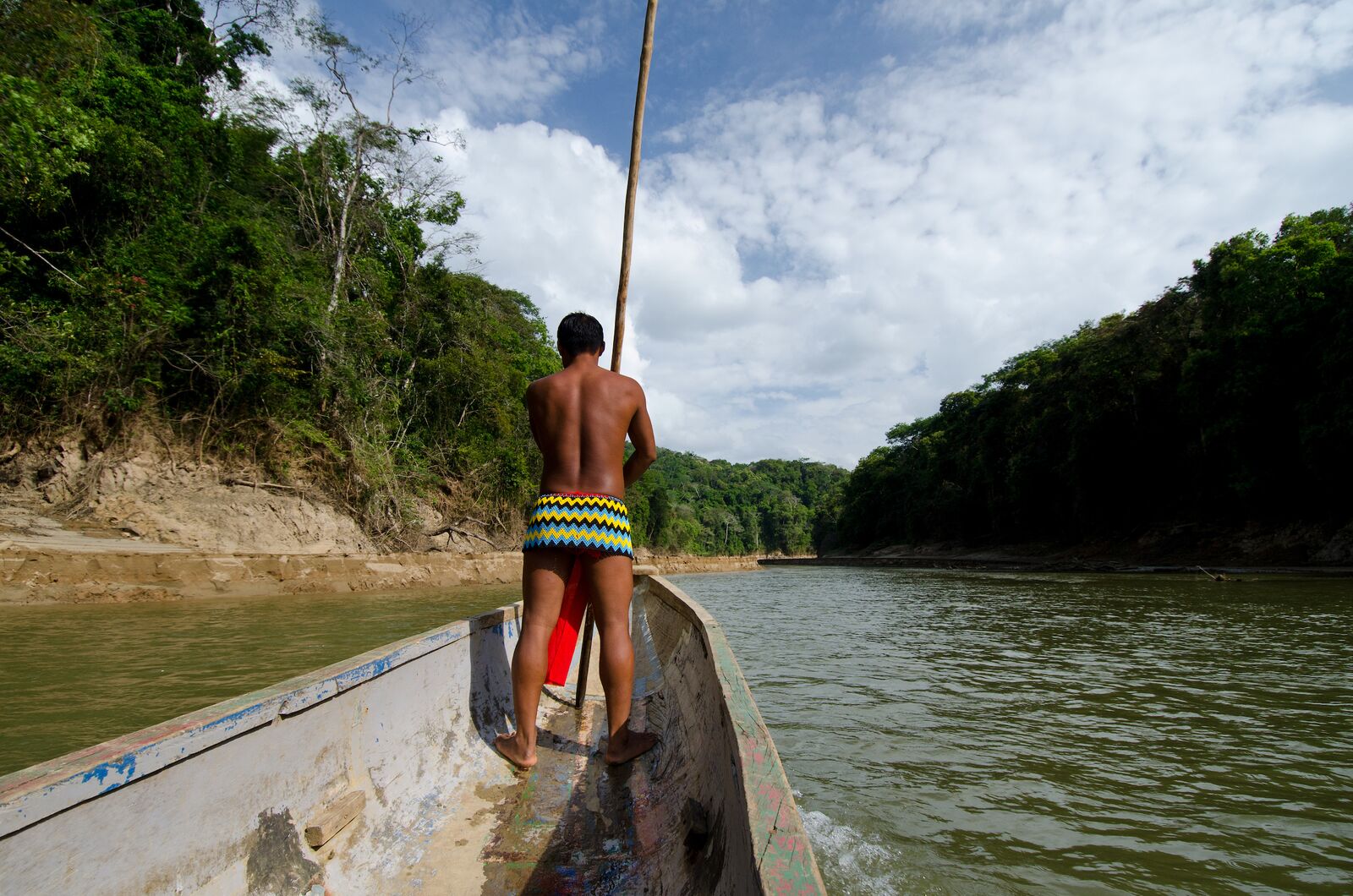
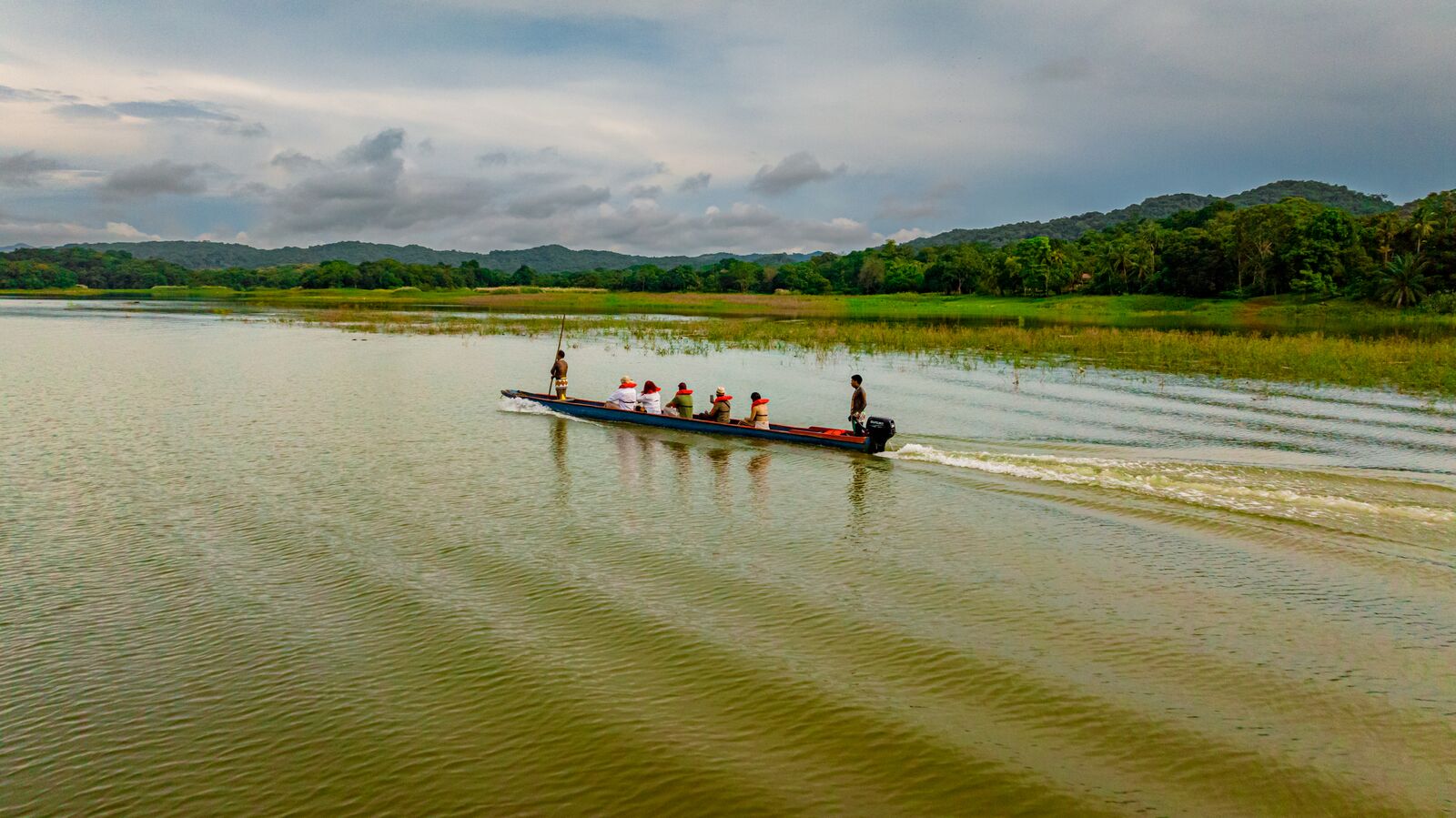
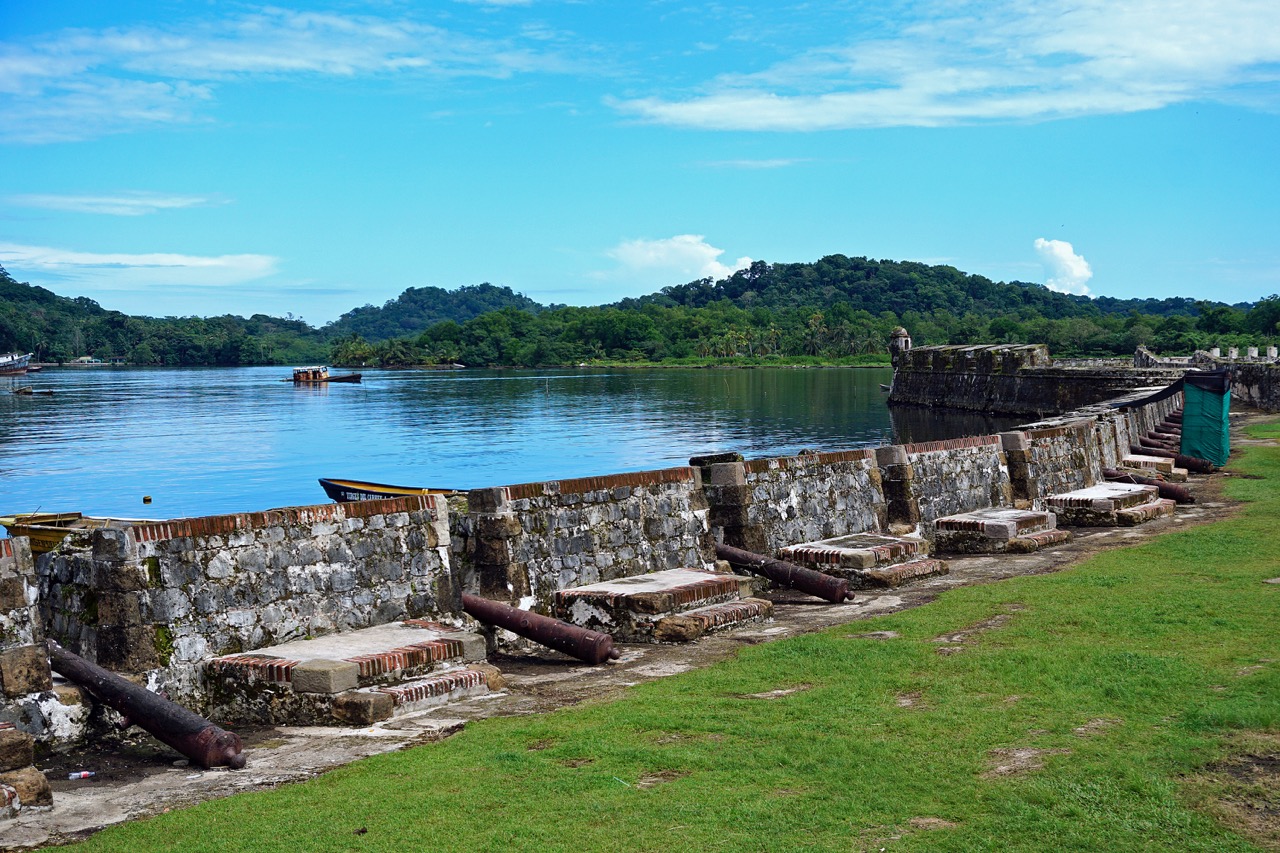
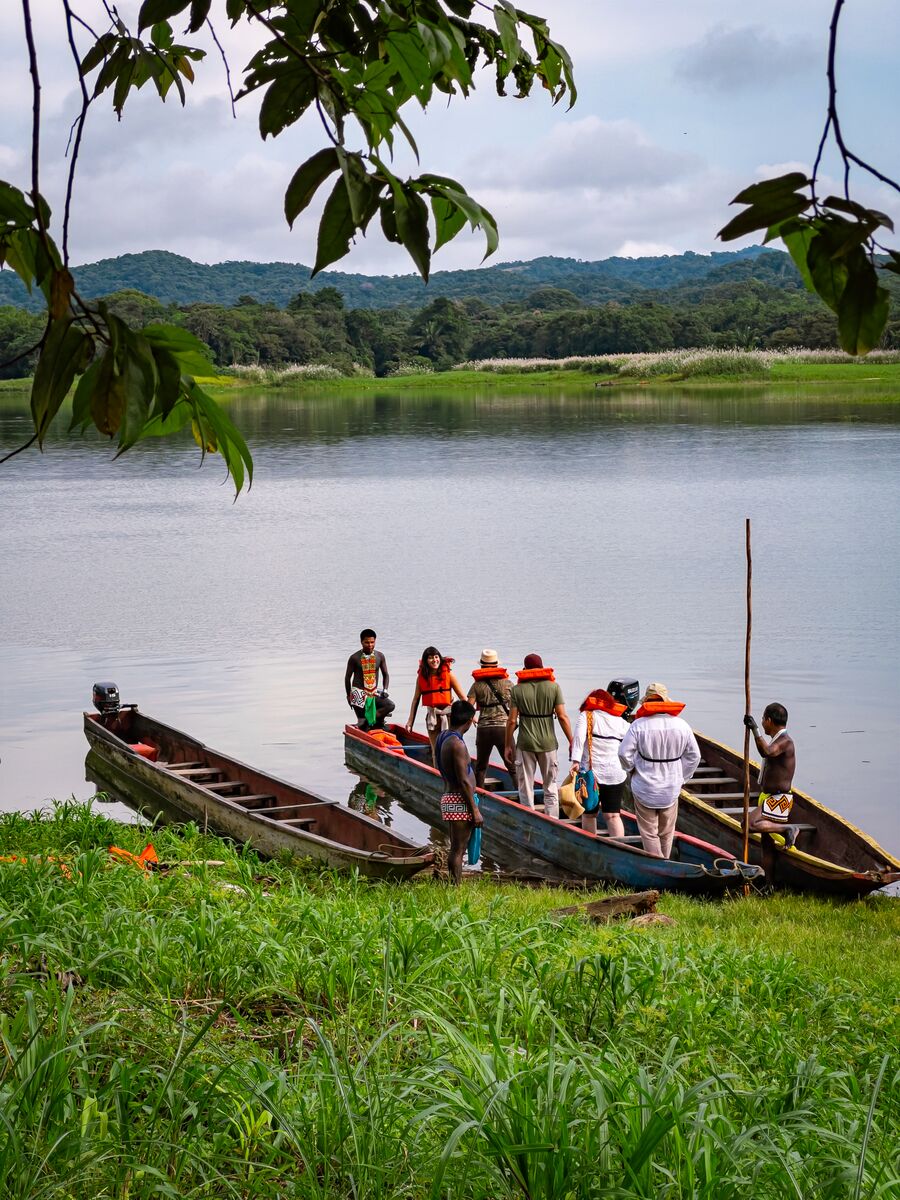
In places like Portobelo, history is not confined to landmarks. It lives in music, in community, and in the rhythm of everyday life along the Caribbean coast. Further inland, areas connected to Chagres offer a different perspective — where indigenous traditions remain closely tied to the natural environment.
Along the Caribbean, the San Blas Islands present another dimension entirely. Here, the Guna communities maintain a high level of autonomy, and access is intentionally limited. Visiting these regions involves more than logistics — it requires approaching the experience with awareness, respect, and the right local connections.
Understanding how traditions have evolved, how different communities relate to the land, and how historical influences continue to shape daily life is often the difference between simply passing through a destination and actually engaging with it.
These encounters can take many forms.
They may involve time spent within a community, participation in local traditions, or simply being in the right place with the right guidance to interpret what is happening around you. In some cases, they are integrated into broader itineraries — connecting cultural regions with time in nature or along the coast, creating a more complete understanding of the country.
Not all cultural experiences are designed in the same way.
Some are immersive and structured. Others are subtle, unfolding through moments that are not immediately obvious. The key lies in knowing how to approach each context — when to engage, when to observe, and how to move through these spaces in a way that feels natural rather than intrusive.
Ultimately, cultural encounters in Panama are not defined by access alone. They are defined by how that access is approached.
Tell us what kind of connection you’re looking for — we’ll guide you there.