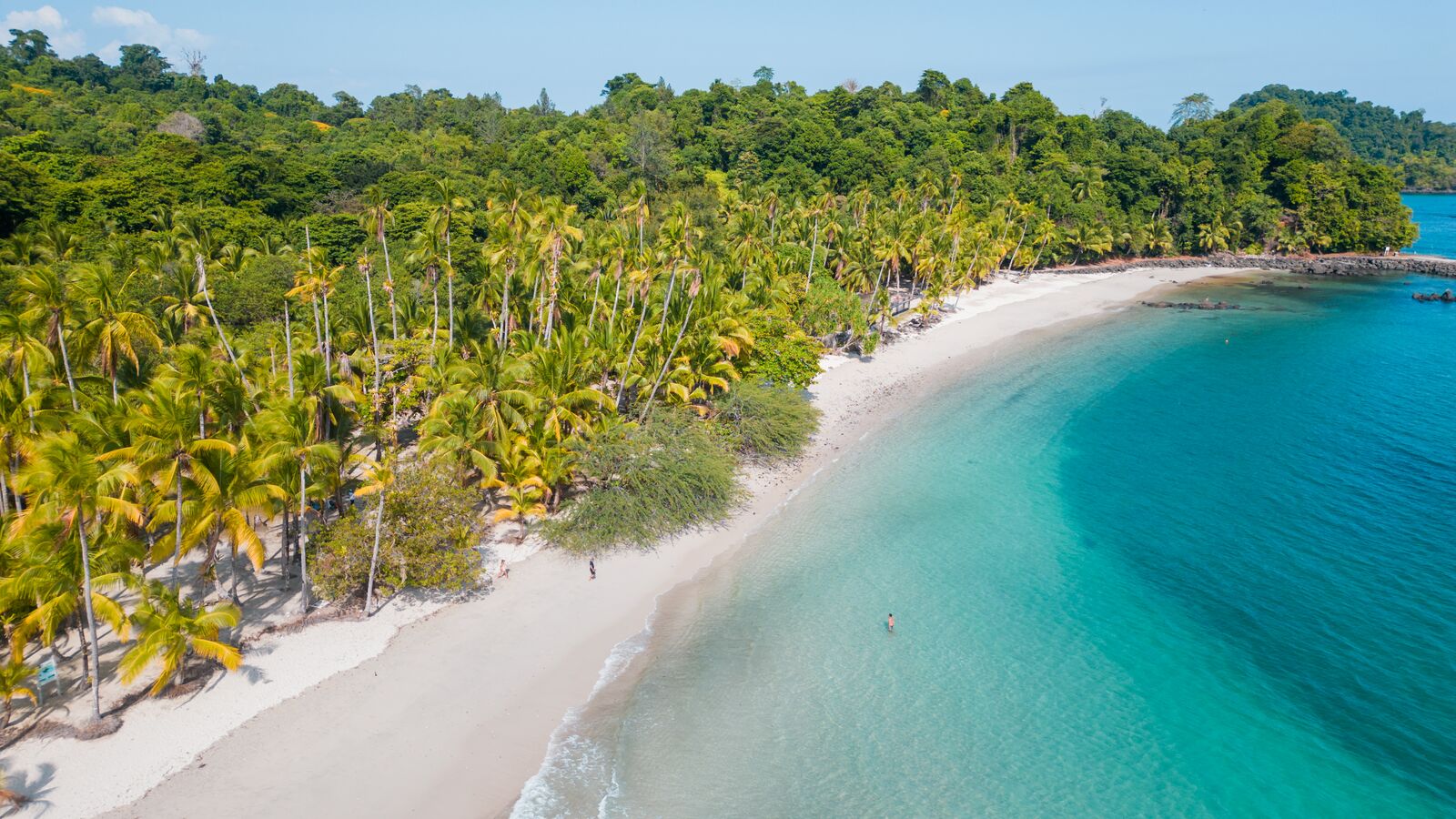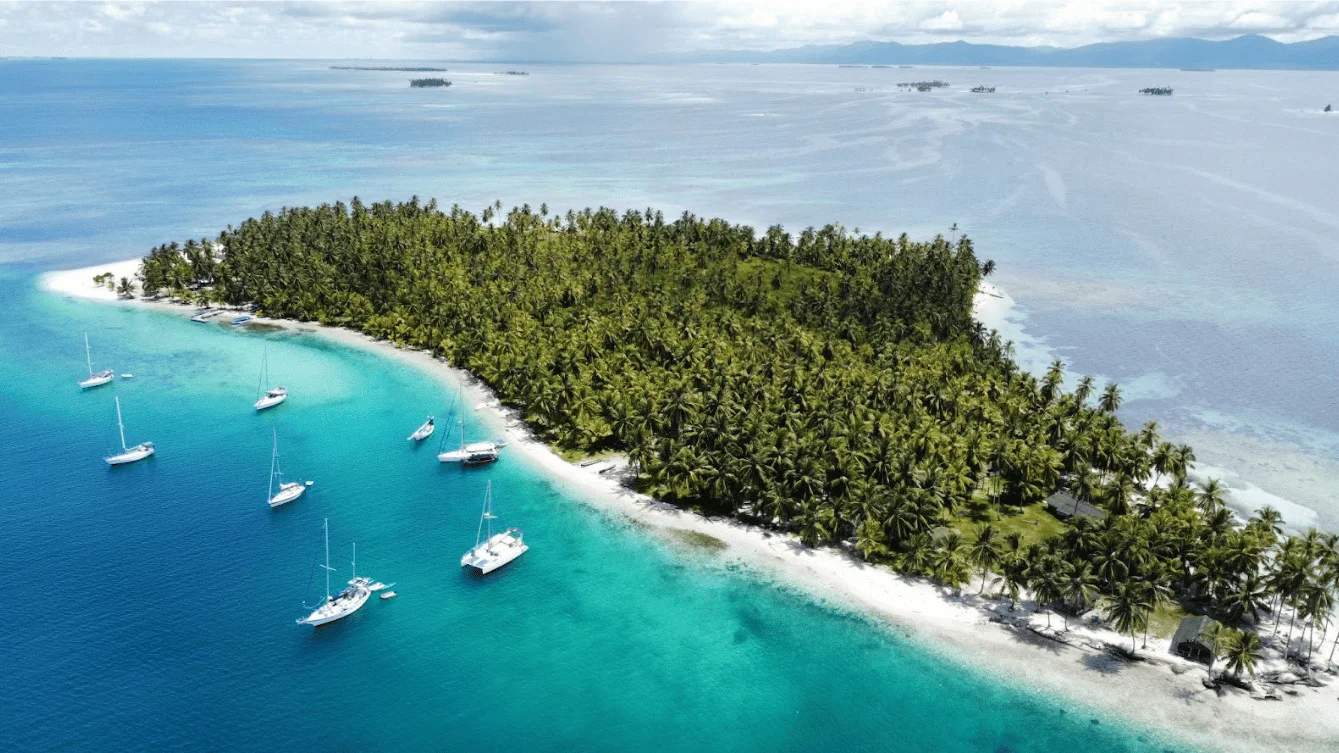

The Gulf of Chiriquí offers a very different expression of Panama.
On the Pacific side of the country, the scale changes.
Distances expand, islands feel more dispersed, crossings become longer, and the relationship between movement and destination becomes far more intentional.
For travelers, the Gulf is less about arriving at a single place.
It is about understanding how the region unfolds through water, access, and the contrast between isolation and exploration.
The Gulf of Chiriquí is not defined by a single destination, but by the scale and movement between them.
Exploring the Gulf by Water
The region is fundamentally marine.
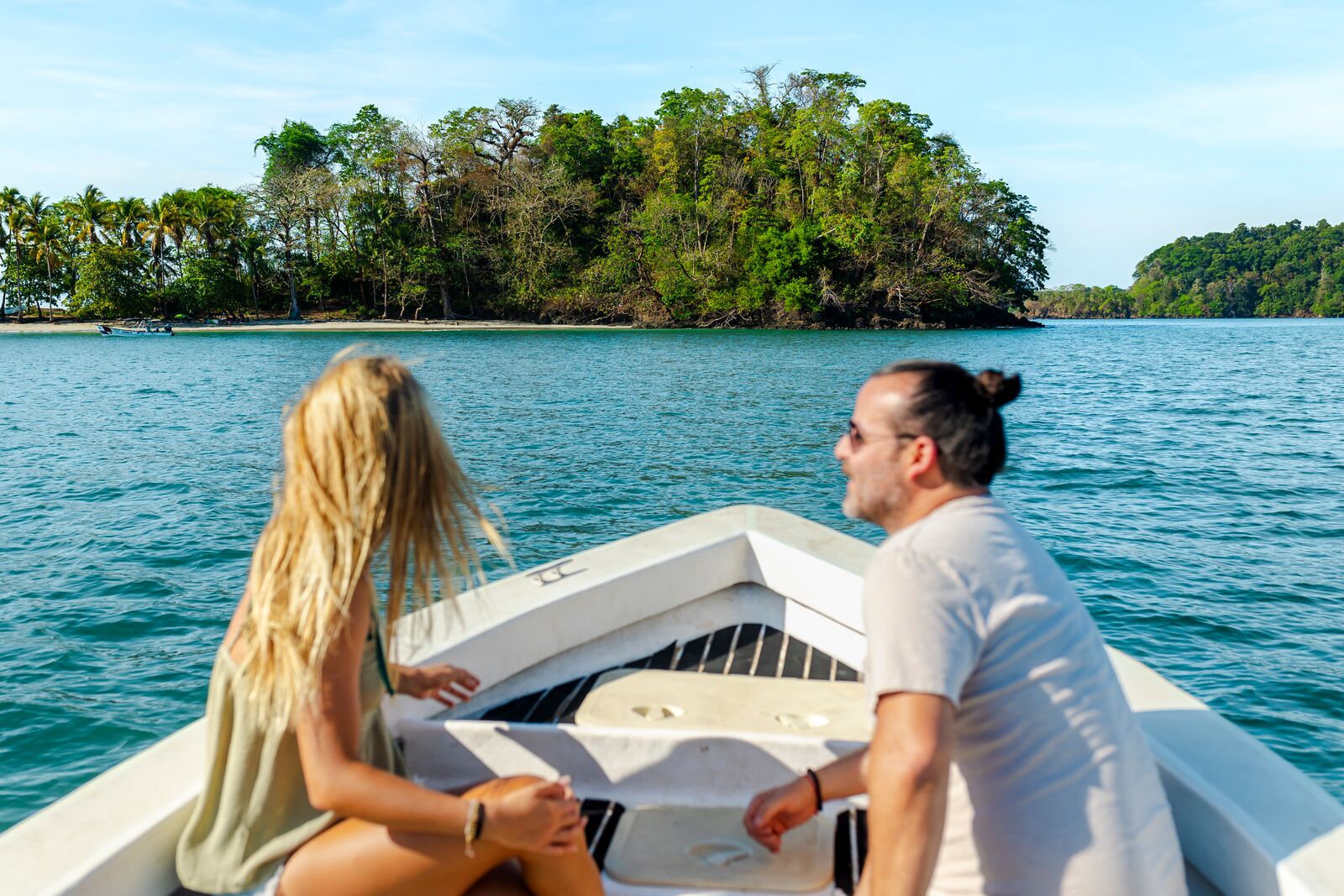
Movement happens by boat, and much of the experience is shaped by how routes are designed across islands, coastlines, and open water.
Some travelers approach the Gulf through private marine journeys — moving between islands, anchor points, and quieter coastal environments at their own pace.
Others experience it through more exploratory movement, where navigation itself becomes central to the day.
This naturally aligns with broader island hopping and marine experiences, where the journey between places becomes as valuable as the places themselves.
The Pacific conditions create a very different rhythm from Panama’s Caribbean side.
Less immediate.
More expansive.
More open.
Wildlife, Nature & Remote Pacific Environments
The Gulf’s surrounding ecosystems are part of what makes the region so compelling.
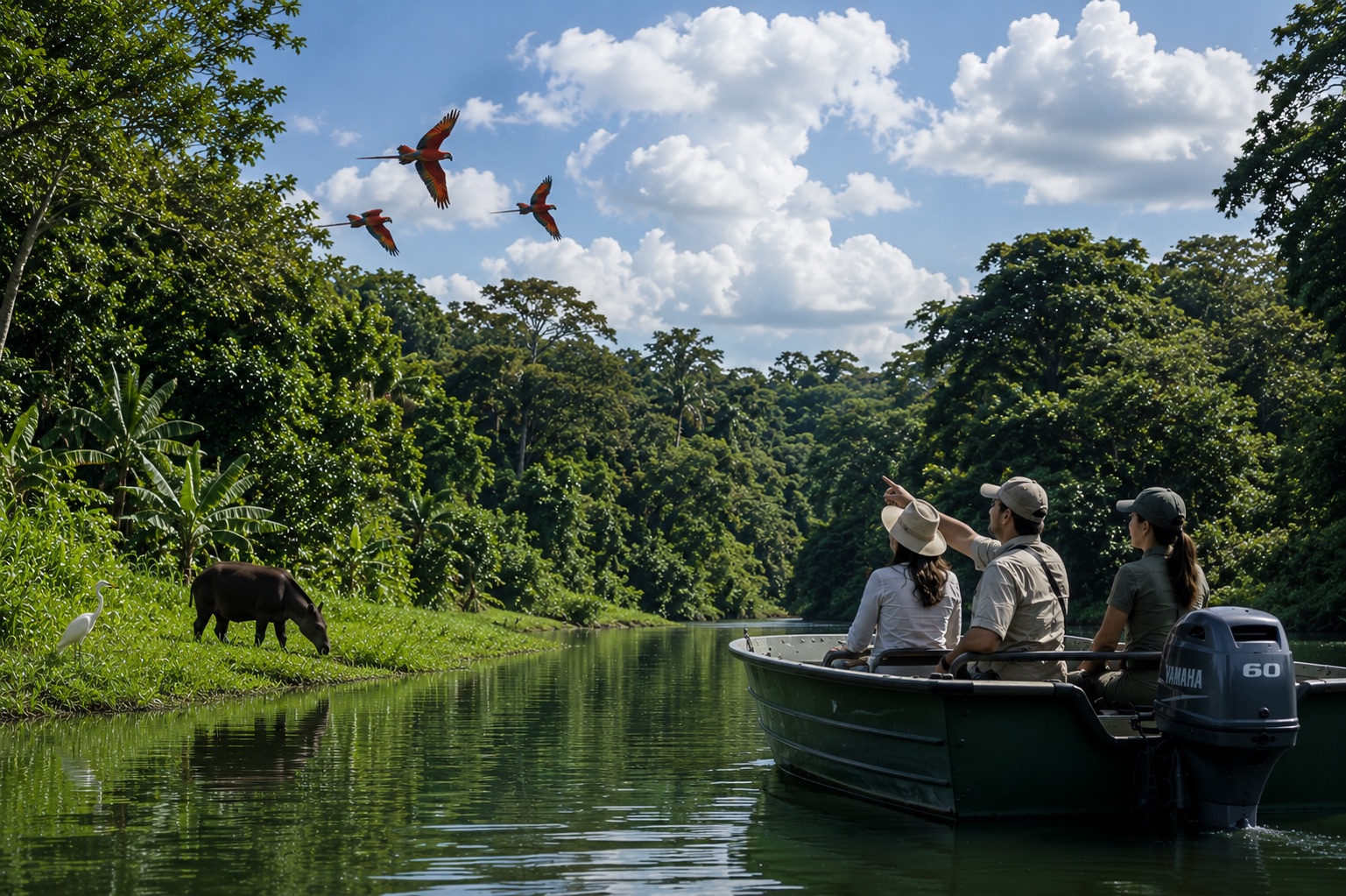
Protected waters, marine biodiversity, nearby island environments, and proximity to places like Coiba Island create opportunities for wildlife encounters that feel immersive rather than staged.
The area also connects naturally with wildlife and birdwatching experiences, particularly for travelers interested in marine ecosystems and quieter natural environments.
For those seeking deeper isolation, the Gulf often overlaps with remote expeditions, where access itself becomes part of the appeal.
This is not a region shaped by convenience.
It is shaped by what remains less accessible.
How the Gulf Fits Into a Wider Journey
The Gulf of Chiriquí works especially well through contrast.
Travelers often combine it with the highlands of Boquete, allowing cooler mountain landscapes to transition into remote Pacific environments.
Others connect the Gulf with coastal gateways like Santa Catalina, or integrate it into broader journeys that balance marine exploration with slower inland experiences.
Accommodation also changes how the region is experienced.
Private island stays, remote lodges, and carefully positioned coastal properties create very different interpretations of the same landscape — making luxury accommodation in Panama particularly relevant here.
The Gulf is not simply a destination.
It is a framework for how Pacific Panama is experienced.
The Gulf of Chiriquí is best experienced not by staying still, but by moving through the landscape it creates.