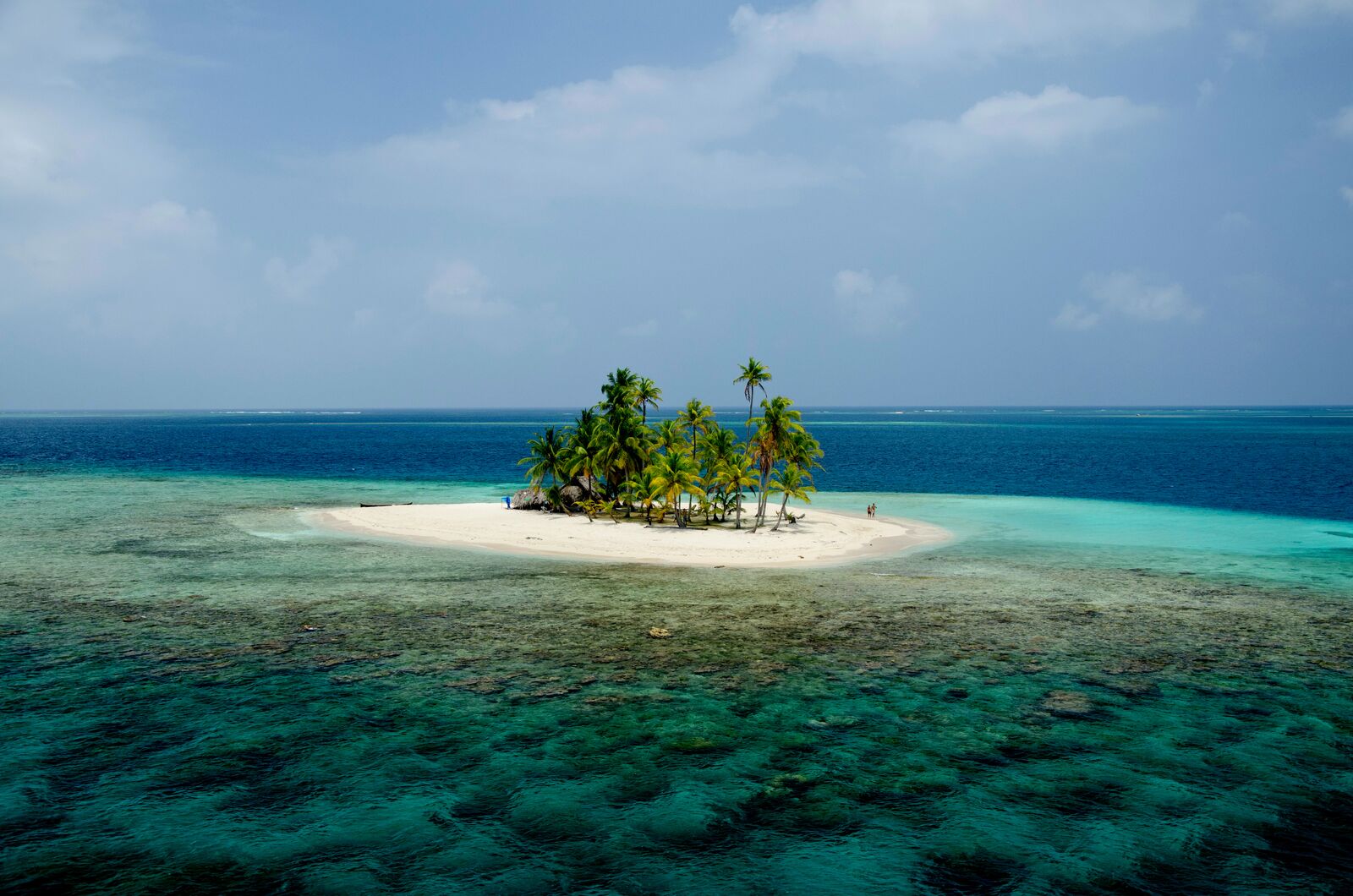
A coastal village where the road ends and the ocean begins.
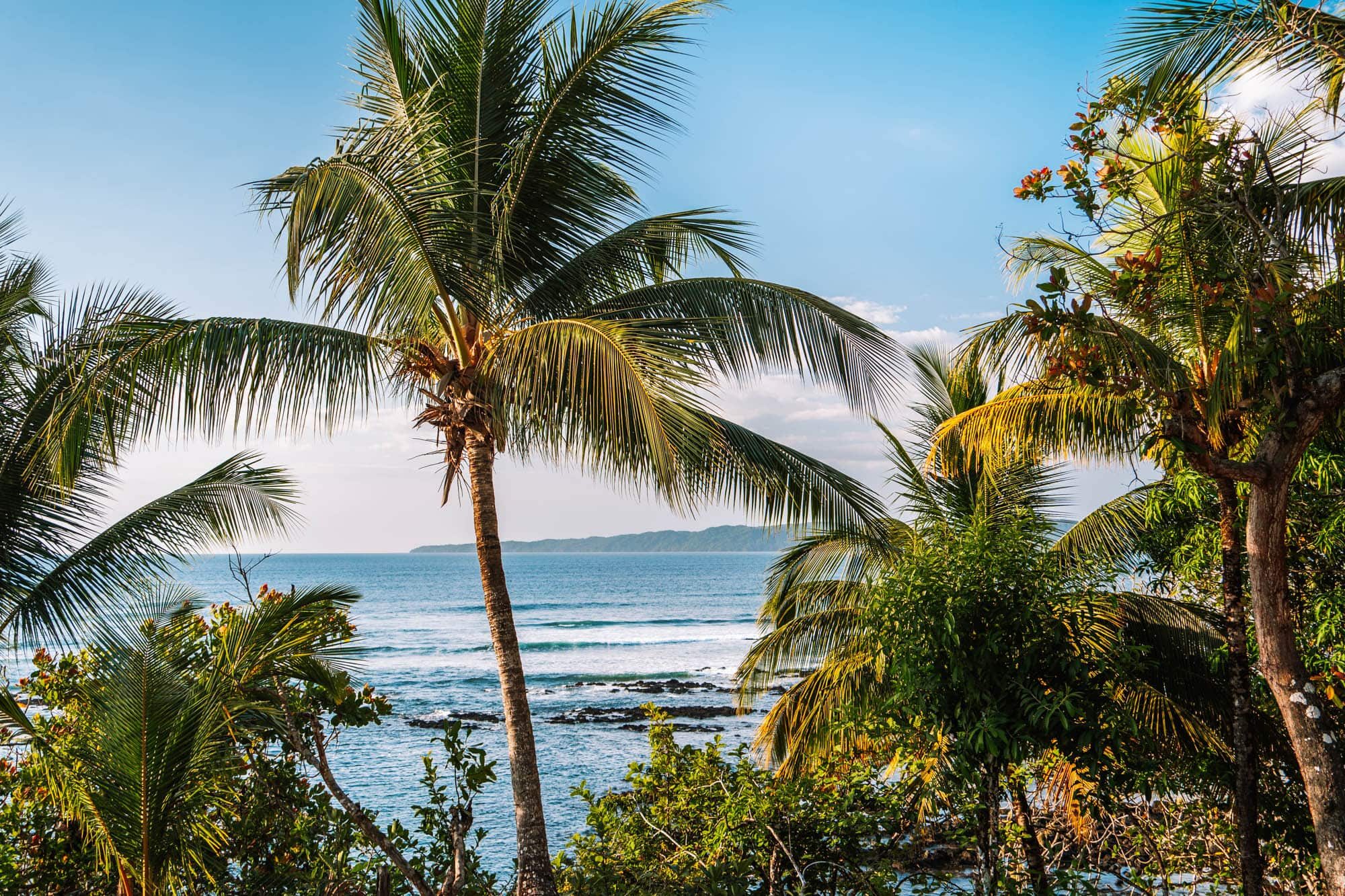
On Panama’s Pacific coast, Santa Catalina sits at the edge of access.
Reaching it requires intention. The road narrows as it approaches the coastline, and the sense of arrival is gradual rather than immediate. What awaits is not a constructed destination, but a place that remains closely tied to its surroundings.
Santa Catalina is often understood as a departure point.
From here, routes extend outward toward Coiba Island and the wider Pacific, connecting with environments that are more remote and less structured. Early mornings begin before the heat sets in — boats preparing to leave, gear being loaded, and the horizon still soft as the day starts to take shape.
Santa Catalina is defined by its position — where access becomes the experience, and the journey begins to extend outward.
But the village itself holds its own rhythm.
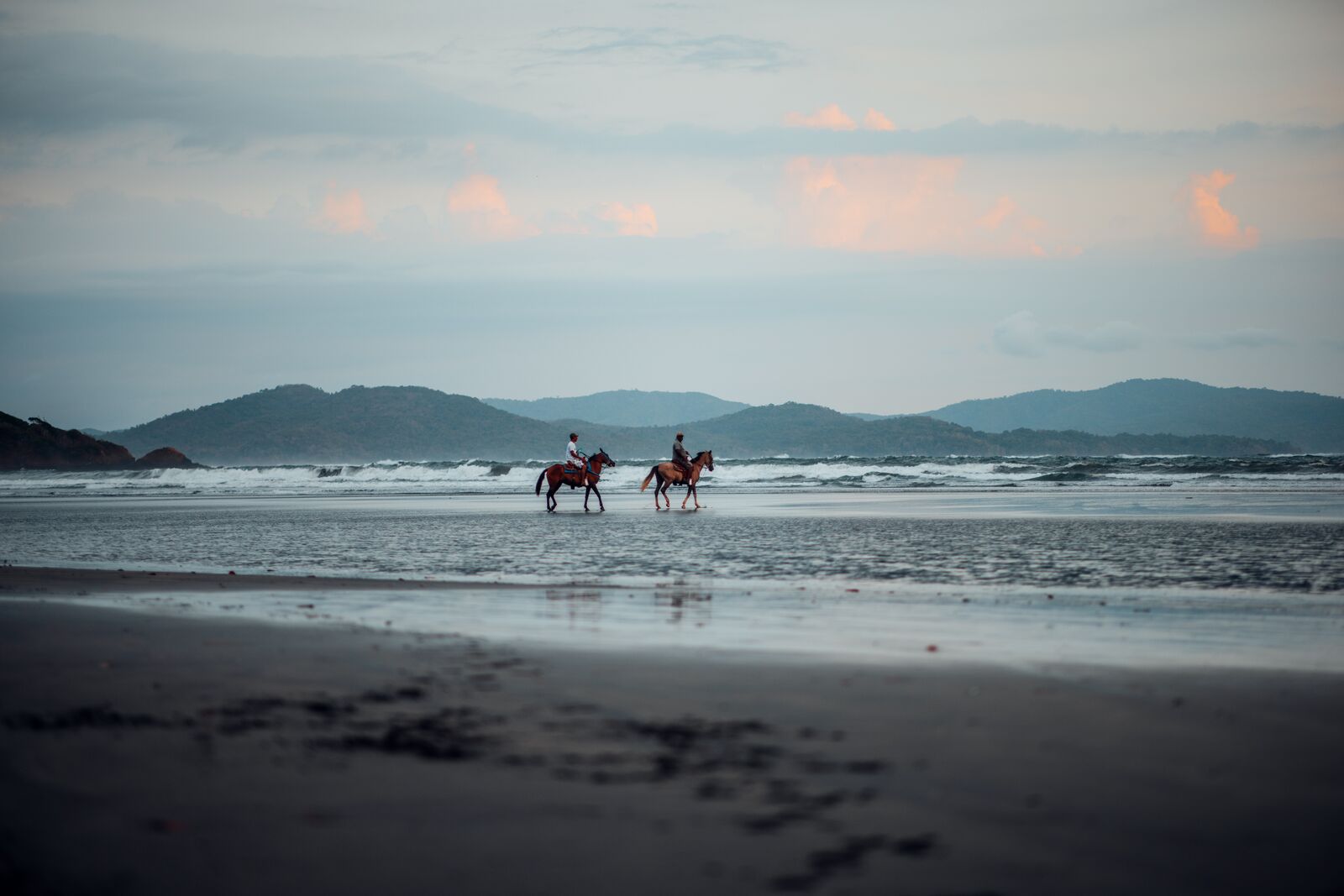
Life here follows the ocean. Tides, wind, and light influence how the day unfolds, creating a cadence that feels consistent without being fixed. Between departures and returns, time slows — marked by small movements, quiet stretches of coastline, and a sense of continuity that doesn’t rely on activity.
This positioning makes Santa Catalina a natural entry point into remote expeditions and ocean-based routes.
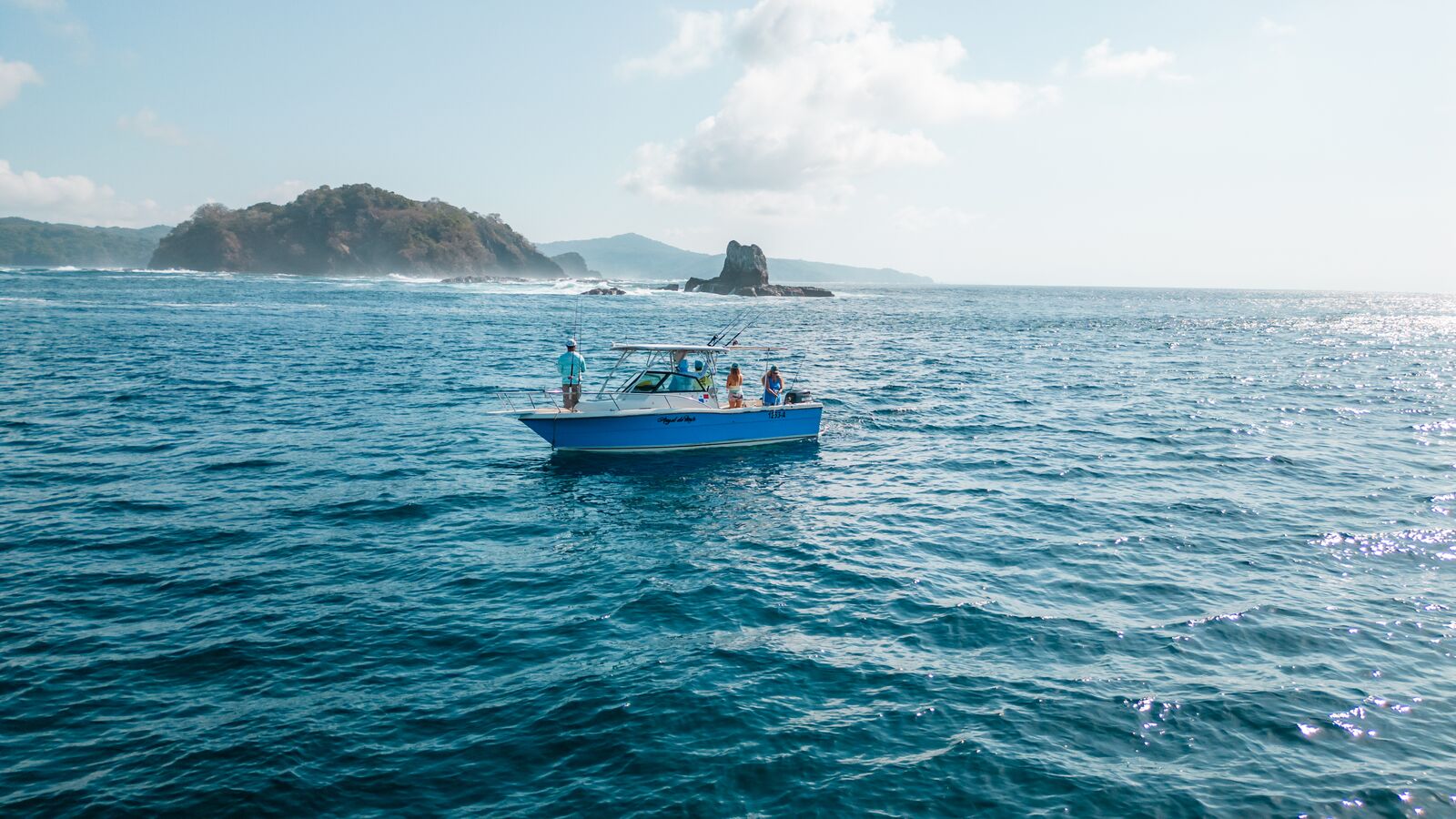
Fishing is a central part of this dynamic. Offshore waters are known for their depth and movement, attracting a range of species and creating conditions that vary throughout the year. Some journeys are structured around this — early departures, long hours on the water, and returns that depend more on conditions than schedules.
Other routes extend into marine exploration or island-based movement, connecting Santa Catalina to wider regions of the Pacific.
These connections become clearer when understanding how the area functions as a gateway to remote destinations like Coiba Island, or as part of broader expedition-led journeys across Panama’s Pacific coast.
There is also a quieter layer to the village.
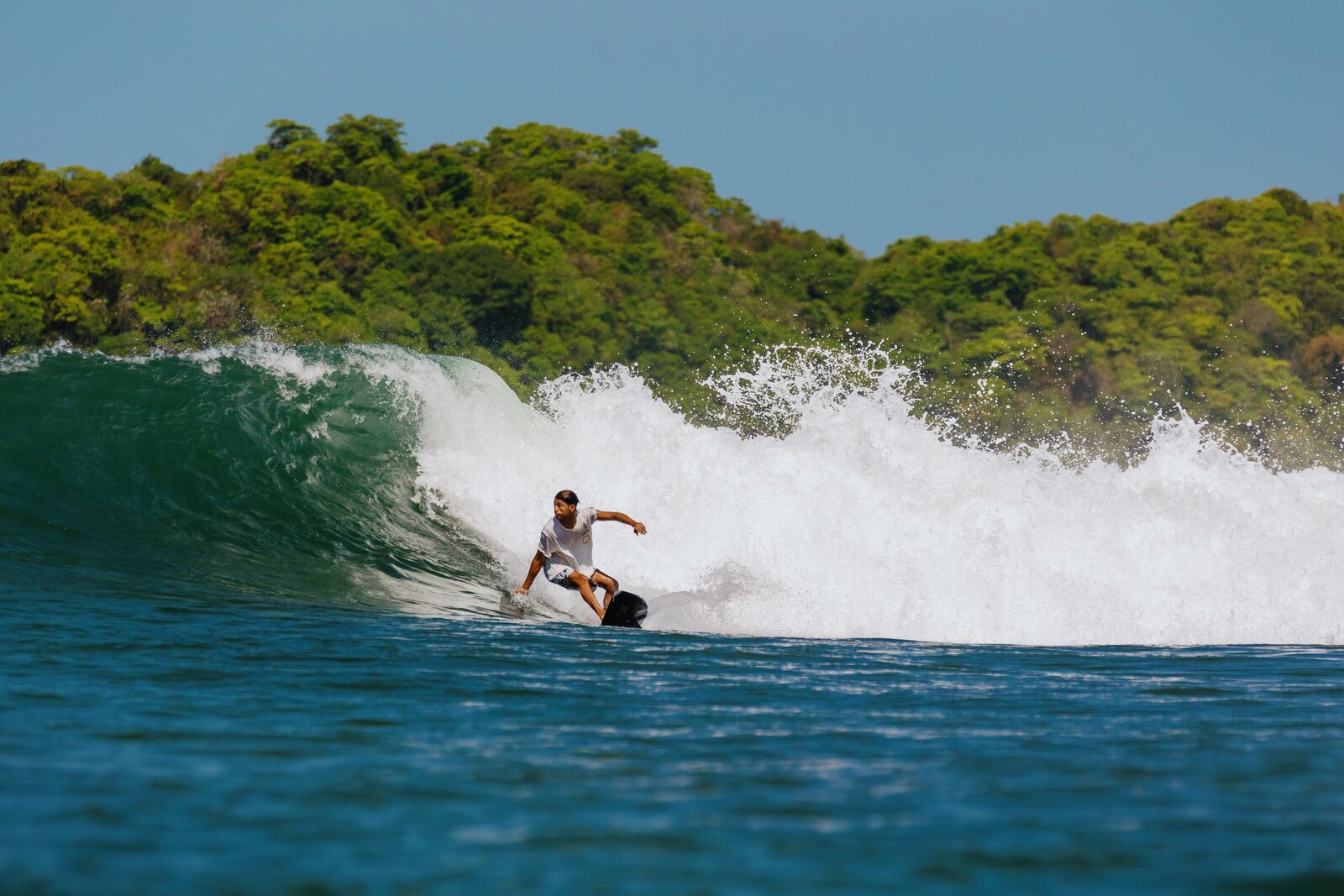
At certain points along the coast, the ocean breaks in a way that has drawn a small surf presence over time — not as a defining feature, but as another reflection of how the environment shapes what happens here.
Accommodation remains simple and close to the landscape.
Stays are integrated rather than separated, allowing the surroundings to remain constant. This is not a place defined by refinement, but by proximity — to the ocean, to departure points, and to the conditions that define the experience.
For most travelers, Santa Catalina is part of a larger route.
A point that connects coastal Panama to its most remote environments, rather than a destination that stands alone. In this way, it creates contrast — particularly when combined with more developed or refined regions elsewhere in the country.
For some, the time spent here is brief.
For others, it becomes the moment where the journey shifts — from structured travel into something more open.
Some destinations are defined by what they offer. Santa Catalina is defined by where it leads.
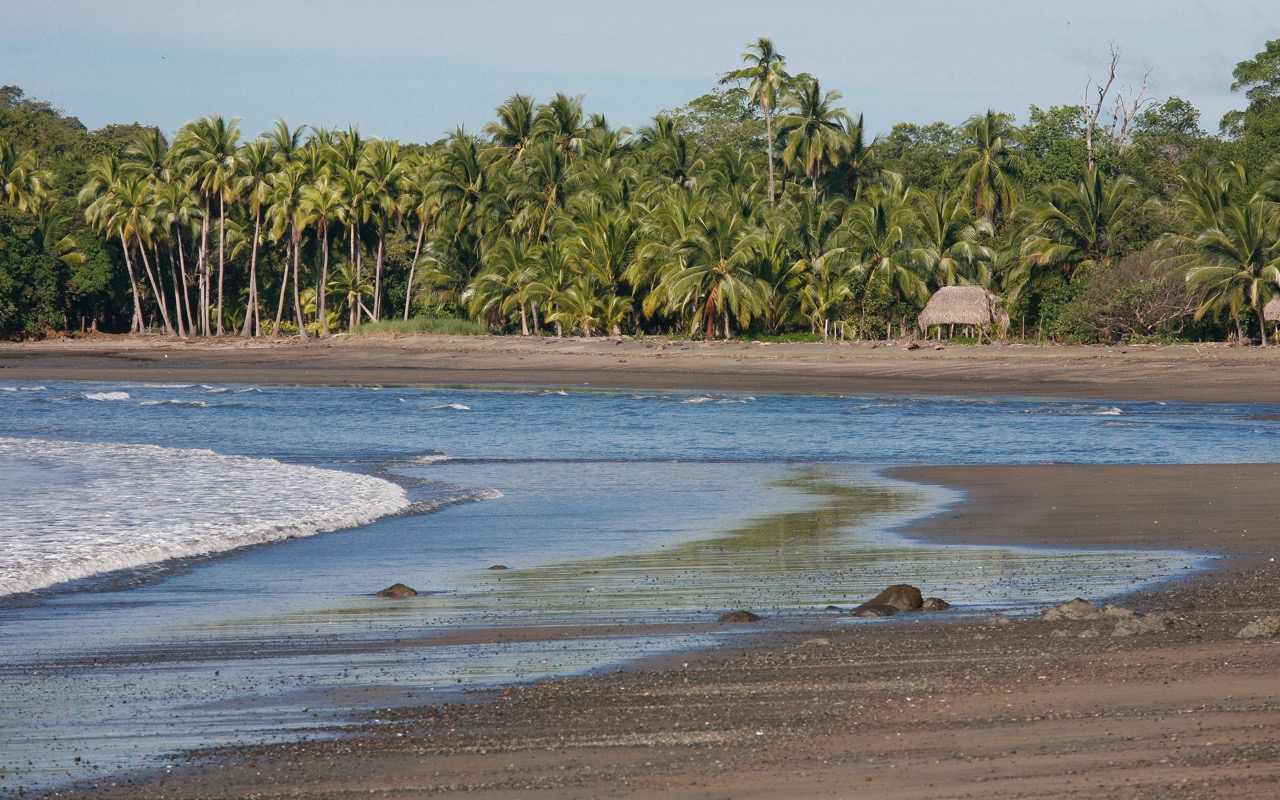
Tell us how you’d like to experience Panama’s Pacific edge — we’ll shape the route, timing, and journey around it.

.jpg)